

Alexa Hernández Rojas
Carla Patricia Ruiz Gutiérrez

Universidad Popular Autónoma del Estado de Puebla

Crishelen Kurezyn Díaz


Keep this story going! Share below!
En 2021, Sarape Group da un paso evolutivo y crea Manto, una empresa dedicada a diseñar e implementar soluciones basadas en la naturaleza que regeneran territorios productivos y fortalecen comunidades. Manto, nace como una extensión natural de la visión de Sarape: si la creatividad es una herramienta para transformar, la regeneración es el camino para reconstruir las relaciones entre personas, economías y ecosistemas.
Desde entonces, Manto se ha consolidado como el brazo regenerativo del grupo articulando acción colectiva entre comunidades, empresas, gobiernos y organizaciones para impulsar transiciones productivas sostenibles, cadenas de valor regenerativas e iniciativas de turismo con impacto ecosistémico.
La empresa combina rigor técnico con sensibilidad territorial mediante metodologías como Narrativas Compartidas, que fomentan el diálogo, la confianza y la cohesión social junto con modelos financieros regenerativos que valoran el capital natural y generan beneficios compartidos. Opera como un laboratorio de innovación orientado a transformar desafíos colectivos en oportunidades, integrando comunicación, diseño, tecnología e investigación aplicada, siempre con las personas y el territorio en el centro de la transformación.
Con esta visión, Sarape Group contribuye al cumplimiento de los Objetivos de Desarrollo Sostenible (ODS), en especial el ODS 12: Producción y consumo responsables, promoviendo prácticas sostenibles, inclusión social y regeneración ambiental.
---
In 2021, the Sarape Group took an evolutionary step by creating Manto, a company dedicated to designing and implementing nature-based solutions that regenerate productive territories and strengthen communities. Manto was born as a natural extension of Sarape's vision: if creativity is a tool for transformation, regeneration is the path to rebuilding the relationships between people, economies, and ecosystems.
Since then, Manto has established itself as the group's regenerative arm, facilitating collective action among communities, businesses, governments, and organizations to drive sustainable production transitions, regenerative value chains, and tourism initiatives with an ecosystem impact.
The company combines technical rigor with territorial sensitivity through methodologies such as Shared Narratives, which foster dialogue, trust, and social cohesion, along with regenerative financial models that value natural capital and generate shared benefits. It operates as an innovation lab focused on transforming collective challenges into opportunities, integrating communication, design, technology, and applied research, always with people and the land at the heart of the transformation.
With this vision, the Sarape Group contributes to the fulfillment of the Sustainable Development Goals (SDGs), particularly SDG 12: Responsible Production and Consumption, by promoting sustainable practices, social inclusion, and environmental regeneration.
La innovación de manto radica en su capacidad para operar en sincronía con los sistemas vivos, catalizando plataformas de regeneración que integran comunidades, empresas y ecosistemas bajo un mismo propósito: restaurar la relación entre el ser humano y su territorio. Esta visión se concreta en proyectos que vinculan compromisos climáticos globales con acción local, impulsando transiciones productivas regenerativas, modelos financieros íntegros y gobernanza territorial.
La empresa reconoce una brecha estructural: mientras las cadenas de valor empresariales avanzan en sostenibilidad, las comunidades que sostienen esa producción enfrentan limitaciones técnicas, sociales y financieras. Manto actúa como puente para cerrar la brecha entre cadenas de valor sostenibles y comunidades con limitaciones técnicas, sociales y financieras, creando marcos de colaboración multiactor que convierten la regeneración en una oportunidad compartida.
Su modelo operativo, se sostiene sobre tres ejes principales:
A partir de estos ejes, Manto impulsa programas escalables que integran monitoreo tecnológico (IA, teledetección y MRV), gobernanza participativa y comunicación basada en evidencia. Y cada proyecto, se convierte en una plataforma de aprendizaje y colaboración donde la regeneración se convierte en cultura, no solo en resultado.
---
Manto's innovation lies in its ability to operate in sync with living systems, catalyzing regeneration platforms that integrate communities, businesses, and ecosystems under a shared purpose: restoring the relationship between humankind and its territory. This vision is realized in projects that link global climate commitments with local action, driving regenerative production transitions, sound financial models, and territorial governance.
The company recognizes a structural gap: while corporate value chains are advancing toward sustainability, the communities that support that production face technical, social, and financial limitations. Manto acts as a bridge to close the gap between sustainable value chains and communities with technical, social, and financial limitations, creating multi-stakeholder collaboration frameworks that transform regeneration into a shared opportunity.
Its operating model is based on three main pillars:
1. Shared Narratives: A methodological approach to articulation that facilitates the participatory design of regenerative solutions, integrating diverse perspectives, local knowledge, and global objectives. This practice builds trust and a sense of belonging, essential conditions for territorial transformation.
2. Regenerative models: Strategies that democratize access to green financing mechanisms for small producers and communities through carbon, water, and biodiversity aggregation programs with transparency and traceability standards.
3. High-integrity bonds: Instruments that guarantee equity and genuine regeneration by linking environmental outcomes with social and cultural indicators and ensuring that benefits are distributed among all stakeholders.
Based on these principles, Manto promotes scalable programs that integrate technological monitoring (AI, remote sensing, and MRV), participatory governance, and evidence-based communication. Each project becomes a learning and collaboration platform where regeneration becomes a culture, not just an outcome.
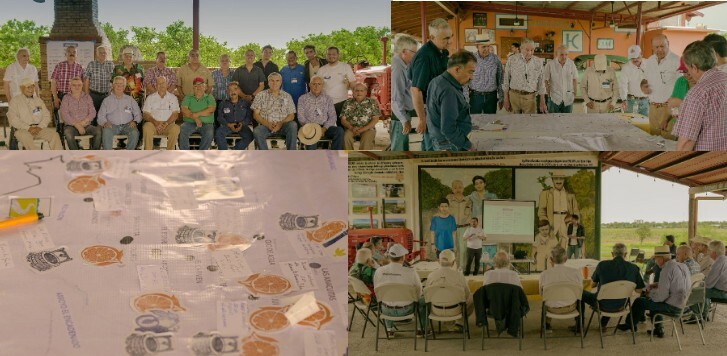
Cada sistema productivo refleja una red de relaciones que une a las personas con la tierra.
En palabras de Camila Kirchner, integrante de Manto, “cuidar el suelo es una forma de cuidarnos a nosotros mismos.” Esta comprensión inspira la filosofía regenerativa del grupo: los territorios son organismos vivos y regenerar implica tanto restaurar ecosistemas como sanar vínculos humanos.
El impulso creativo de Sarape y la mirada sistémica de Manto convergen en una misión compartida: activar la inteligencia colectiva de las comunidades y acompañar a las empresas en su transición hacia modelos productivos que colaboren con la naturaleza, en lugar de resistirla.
---
Every production system reflects a network of relationships that connects people to the land.
In the words of Camila Kirchner, a member of Manto, “caring for the soil is a way of caring for ourselves.” This understanding inspires the group’s regenerative philosophy: territories are living organisms, and regeneration involves both restoring ecosystems and healing human connections.
Sarape’s creative drive and Manto’s systemic perspective converge in a shared mission: to activate the collective intelligence of communities and support companies in their transition to production models that work in harmony with nature, rather than against it.
La empresa demuestra una notable capacidad de adaptación estratégica según el sector y las características particulares de cada organización con la que colabora, abordando los desafíos de manera integral y contextualizada. Un ejemplo emblemático se refleja en su Programa de agricultura regenerativa 2025, con su cliente Kilimo y su Iniciativa Latidos por el Agua.
La Cuenca Bravo San Juan sufre sobreexplotación y uso ineficiente del agua, lo que amenaza comunidades y sectores productivos. Afrontar la crisis requiere integrar factores sociales y culturales para lograr colaboración y consolidar la seguridad hídrica como base del desarrollo regional.
La implementación integra innovación tecnológica con la metodología Narrativas Compartidas, articulando el reconocimiento biocultural del territorio y la cohesión social para adaptar soluciones técnicas a las dinámicas locales. El proceso abarca un diagnóstico socioambiental mediante talleres participativos y cartografía comunitaria en Cadereyta, General Terán y Arteaga, para comprender el contexto social, económico, político y biofísico; incluye el mapeo de 44 actores clave de seis sectores, así como percepciones y prácticas hídricas y productivas. Los hallazgos se incorporan al modelo de aprendizaje del programa Water Stewardship, complementados con capacitación técnica y organizativa contextualizada, el diseño de modelos de gobernanza que fortalezcan la autogestión y resiliencia, y estrategias de comunicación territorial basadas en el lenguaje y la identidad propia de la región.
El impacto de Manto se mide tanto en hectáreas regeneradas (Objetivo de 300 ha) como en relaciones fortalecidas (productores, académicos y funcionarios).
---
The company demonstrates a remarkable capacity for strategic adaptation to the specific sector and characteristics of each organization it collaborates with, addressing challenges in a comprehensive and contextualized manner. A prime example is its Regenerative Agriculture Program 2025, which features its client Kilimo and the Heartbeats for Water Initiative.
The Bravo San Juan Basin suffers from overexploitation and inefficient water use, threatening communities and productive sectors. Addressing this crisis requires integrating social and cultural factors to foster collaboration and consolidate water security as the foundation of regional development.
The implementation integrates technological innovation with the Shared Narratives methodology, articulating the biocultural understanding of the territory and social cohesion to adapt technical solutions to local dynamics. The process involves a socio-environmental assessment through participatory workshops and community mapping in Cadereyta, General Terán, and Arteaga, aiming to understand the social, economic, political, and biophysical contexts. It also involves mapping 44 key stakeholders across six sectors, as well as their perceptions and practices related to water and production. The findings are incorporated into the Water Stewardship program's learning model, complemented by contextualized technical and organizational training, the design of governance models that strengthen self-management and resilience, and territorial communication strategies based on the region's own language and identity.
Manto's impact is measured both in hectares regenerated (target of 300 ha) and in strengthened relationships (producers, academics, and officials).
Sarape Group se posiciona como un actor clave en la conversación global sobre sostenibilidad, innovación social y desarrollo regenerativo. Gracias a Manto, el grupo ha ampliado su alcance hacia sectores agroindustriales, energéticos y turísticos, fortaleciendo su relevancia dentro del ecosistema ESG. Su papel como conector estratégico entre comunidades, corporaciones e instituciones internacionales permite a Sarape traducir los objetivos climáticos en acciones tangibles, generando valor compartido y relaciones duraderas.
Esta estrategia no solo fortalece las relaciones corporativas, sino que amplifica el impacto de las iniciativas, incrementando la relevancia, el valor y la permanencia de la organización dentro del ecosistema ESG.
---
Sarape Group has positioned itself as a key player in the global conversation on sustainability, social innovation, and regenerative development. Thanks to Manto, the group has expanded its reach into the agribusiness, energy, and tourism sectors, strengthening its relevance within the ESG ecosystem. Its role as a strategic connector between communities, corporations, and international institutions allows Sarape to translate climate goals into tangible actions, generating shared value and lasting relationships.
This strategy not only strengthens corporate relationships but also amplifies the impact of initiatives, increasing the organization's relevance, value, and longevity within the ESG ecosystem.
La innovación impulsada por Sarape y manto redefine el concepto de sostenibilidad pasando de la mitigación, al restablecimiento activo de los sistemas vivos. Su enfoque integra diseño regenerativo a través de soluciones basadas en la naturaleza, fortaleciendo cadenas de valor locales, democratizando el acceso a financiamiento y generando empleo digno en zonas rurales.
A nivel ambiental, sus proyectos promueven la recuperación de suelos, la recarga de acuíferos y la conservación de biodiversidad; a nivel social, fomentan cohesión, aprendizaje colectivo y equidad económica.
Al articular comunidades, empresas y gobiernos en torno a una visión común, Sarape Group —a través de Manto— demuestra que la regeneración no es un ideal, sino un proceso posible, donde los territorios se convierten en laboratorios vivos para imaginar y construir futuros sostenibles.
---
The innovation driven by Sarape and Manto redefines the concept of sustainability, moving from mitigation to the active restoration of living systems. Their approach integrates regenerative design through nature-based solutions, strengthening local value chains, democratizing access to financing, and generating dignified employment in rural areas.
At the environmental level, their projects promote soil recovery, aquifer recharge, and biodiversity conservation; at the social level, they foster cohesion, collective learning, and economic equity.
By bringing together communities, businesses, and governments around a shared vision, Sarape Group—through Manto—demonstrates that regeneration is not an ideal, but a feasible process, where territories become living laboratories for imagining and building sustainable futures.
Get stories of positive business innovations from around the world delivered right to your inbox.
Oscar Limón, Coordinador de Evaluación
Camila Kirchner, Colaboradora en Sarape Circulab

Sarape Group es un ecosistema de empresas creativas orientadas a la transformación social, ambiental y económica. Desde su origen, ha buscado demostrar que la creatividad puede ser una herramienta estratégica para rediseñar sistemas, vincular sectores y generar soluciones sostenibles con impacto real.
A través de la apreciación de la complejidad, el pensamiento sistémico y la innovación social, Sarape conecta al sector privado, la sociedad civil, la academia y los gobiernos en torno a una misma idea: la creatividad como fuerza para regenerar vínculos, comunidades y territorios.
---
The Sarape Group is an ecosystem of creative companies dedicated to social, environmental, and economic transformation. Since its inception, it has sought to demonstrate that creativity can be a strategic tool for redesigning systems, connecting sectors, and generating sustainable solutions with real impact.
Through an appreciation of complexity, systems thinking, and social innovation, Sarape connects the private sector, civil society, academia, and governments around a common idea: creativity as a force for regenerating relationships, communities, and territories.