

Rofi Tajwijdan Nabil Qonit

Shoviyatun Navisa
Guinevere amirotul izzah Evoleth
Moein Atefi

Ankara Yildirim Beyazit University
Semih Ceyhan


Keep this story going! Share below!
Has Döner Ankara is a growing Turkish food business that provides affordable and high-quality döner products using locally sourced ingredients. The business adapted successfully during the COVID-19 pandemic by expanding delivery services and maintaining employment opportunities. Through responsible sourcing, job creation, and accessible food services, the company contributes to several UN Sustainable Development Goals, including Decent Work and Economic Growth (SDG 8) and Responsible Consumption and Production (SDG 12).
Has Döner Ankara is a Turkish food business that grew from a very small local operation into a restaurant brand with multiple branches. The founder started working in the food industry as a dishwasher in Istanbul during the 1990s and slowly learned different skills in the kitchen and meat production. After years of experience, he returned to Aksaray and started selling döner from a small mobile cart before opening his own shop in 1998. Over time, the business expanded by focusing on quality products, affordable prices, and customer trust.
The main innovation of the business is its approach to combining traditional Turkish food with sustainable and community-focused practices. The company uses locally sourced meat from naturally raised animals, supporting local farmers and helping maintain product quality. At the same time, the business keeps its prices affordable so that people from different income levels can still access quality food. This approach supports the UN Sustainable Development Goals, especially SDG 8 (Decent Work and Economic Growth) by creating jobs and supporting local economic activity, and SDG 12 (Responsible Consumption and Production) through responsible sourcing practices.
Another important aspect of the business's innovation was its response to the COVID-19 pandemic. When restaurants could no longer serve customers normally, the company quickly adapted by focusing on delivery services and motorized couriers. This helped the business continue operating, protected employee jobs, and allowed customers to safely access food during a difficult period. The business continues to grow with a long-term goal of expanding both inside and outside Turkey in a gradual and sustainable way.
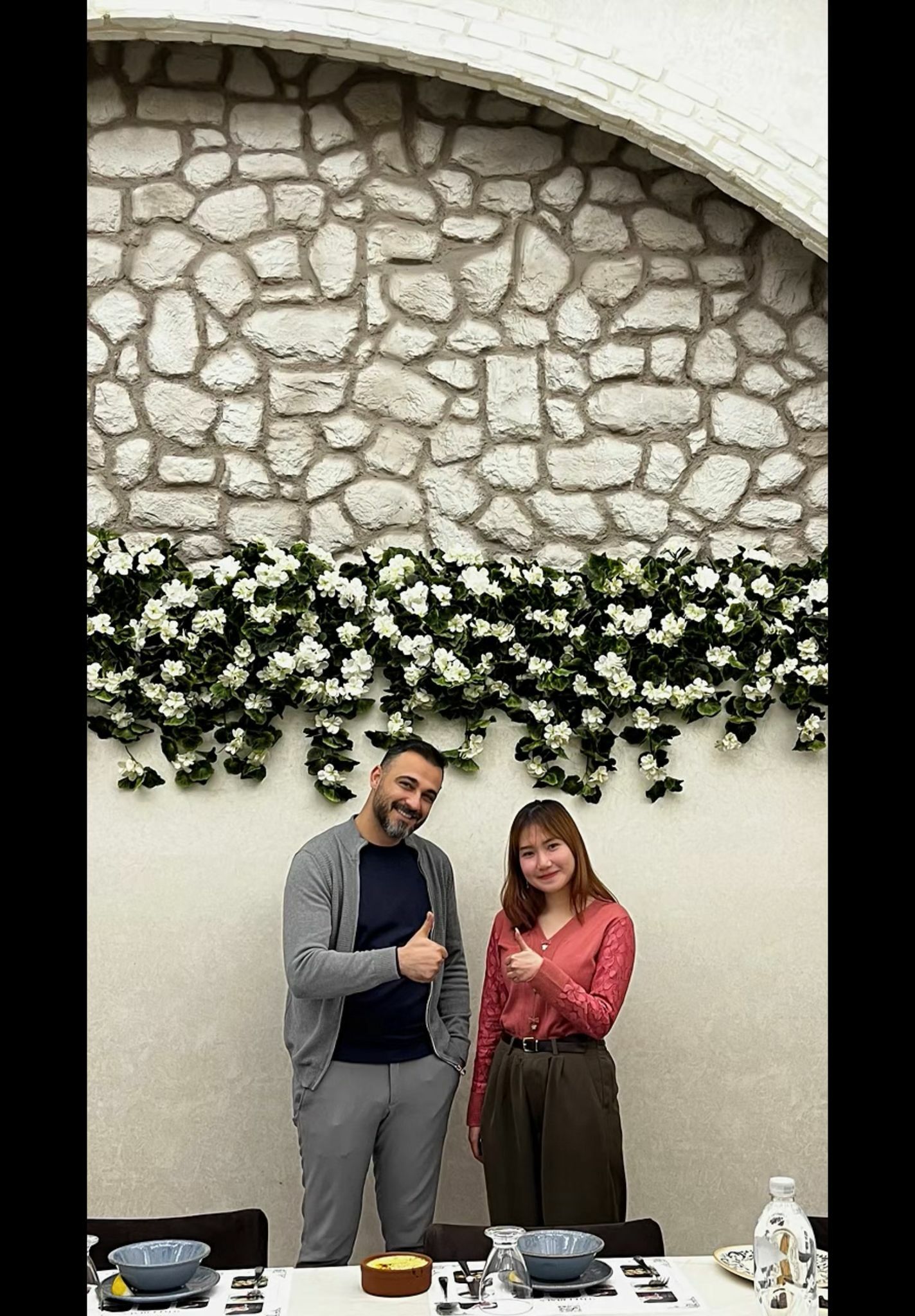
The entrepreneur explained that his motivation did not come from a single moment, but from years of working in kitchens and slowly understanding the food business from the ground up. He repeatedly emphasized that starting from the lowest position shaped his mindset and work ethic. As he put it during the interview, “When you start as a dishwasher, you don’t just wash plates—you learn discipline, you learn patience, and you learn how the kitchen really works.”
Another key inspiration was the combination of economic necessity and ambition. After completing his military service and working long hours in Istanbul, he wanted to build something of his own rather than remain an employee. He stated, “I always felt that if I could survive the hardest jobs in the kitchen, then I could also manage my own place one day.” This belief pushed him to eventually return to Aksaray and start small as a street vendor.
Family and local food culture also played a strong role. He mentioned growing up around traditional Turkish meat dishes and seeing strong demand for affordable food in working-class areas. According to him, “People don’t just want food—they want something reliable, something they can afford every day.”
He also highlighted how observing customer behavior inspired his business model. He noticed that consistency and trust mattered more than luxury or branding. “Customers come back when you are honest with your product,” he said.
Overall, his inspiration came from lived experience, economic challenges, and a strong belief that steady growth from humble beginnings could turn into a sustainable national business.
The overall impact of this innovation is evident in both its local economic contribution and its gradual expansion across Turkey's broader food service network. In the short term, the business created immediate employment opportunities when the entrepreneur opened his first small shop in Aksaray in 1998. Starting with a very small space of around 25–30 square meters, it provided jobs not only for kitchen staff but also for suppliers and local livestock producers. At the community level, it also increased access to affordable döner for working-class customers in the industrial district, where demand for quick and low-cost meals was high. Evidence of this early impact can be seen in the steady customer base that allowed the shop to remain active and expand, rather than close, as many small food businesses did.
In the long term, the innovation grew into a multi-branch business with around eight locations across Turkey. This expansion shows sustained demand and a successful scaling model built on consistency, affordability, and local sourcing. Over time, the business also adapted to major disruptions such as the COVID-19 pandemic by shifting to delivery services, which helped preserve jobs and maintain operations during a period when many restaurants shut down. The entrepreneur’s ability to quickly restructure operations is strong evidence of resilience and long-term viability.
Geographically, the impact moved from a single city (Aksaray) to multiple regions across Turkey, showing national-level influence. The long-term effects also include broader contributions to the informal economy becoming more structured, supporting local supply chains, and reinforcing Turkish döner culture. Overall, the innovation demonstrates how a small-scale street vending model can evolve into a sustainable and scalable food enterprise with lasting social and economic effects.
Because the business focused on offering consistent quality at affordable prices, it built a loyal customer base that steadily increased daily sales over time. Starting with a small shop in Aksaray, the entrepreneur gradually expanded from a single-location operation into a multi-branch structure. This steady growth directly improved revenue stability, since income was not dependent on a single location or customer group. As demand increased, the business was able to hire more employees in the kitchen, service roles, and delivery operations, which helped reduce staff turnover by providing more stable long-term employment compared to short-term restaurant jobs.
The shift toward delivery services, especially during the COVID-19 period, also created new operational opportunities for the business. Because the business adapted quickly to lockdown restrictions, it maintained cash flow while many competitors struggled or shut down. This not only protected existing jobs but also opened a new service channel that continued even after restrictions ended. Over time, delivery became an additional revenue stream rather than just an emergency solution.
As the business expanded into new cities across Turkey, it also opened opportunities for regional partnerships with suppliers and local producers. Because the business prioritized locally sourced meat, it strengthened relationships with livestock suppliers, which supported both supply consistency and cost control. In addition, the growing brand reputation created potential for future investment opportunities and further expansion plans, including entry into international markets.
This innovation has had a noticeable impact on society, especially at the community level where the business first started. Because the entrepreneur built the business around affordable pricing and consistent quality, it made döner accessible to a wide range of people, particularly workers and low-income customers in industrial areas. In places like Aksaray and, later, in other Turkish cities, this meant people could rely on a filling, affordable meal during their workday. It also created stable employment opportunities for local residents, including kitchen staff, delivery riders, and support workers. Over time, this helped contribute to small but steady economic activity in the surrounding communities.
From an environmental and sourcing perspective, the business emphasized using locally sourced animals raised in natural conditions. Because the supply chain relies more on regional producers rather than long-distance imports, it helps reduce transportation needs and supports local agricultural systems. This approach also encourages more transparent sourcing, since meat is obtained through known local suppliers rather than complex international chains. While not a fully “green” enterprise in the formal sense, these practices still support a more localized and less resource-intensive food system compared to heavily industrialized fast-food supply models.
Another important social benefit came during the COVID-19 period. Because the business quickly shifted to delivery services, it continued to serve customers even during lockdowns, while also protecting jobs that might otherwise have been lost. This helped maintain employees' income stability and ensured customers still had access to affordable meals during a difficult time. Overall, the innovation supports society by enhancing affordability, job creation, and resilience, while also indirectly contributing to more sustainable local sourcing practices.
Get stories of positive business innovations from around the world delivered right to your inbox.
Ahmet Muhammet Düzgün, Head chef
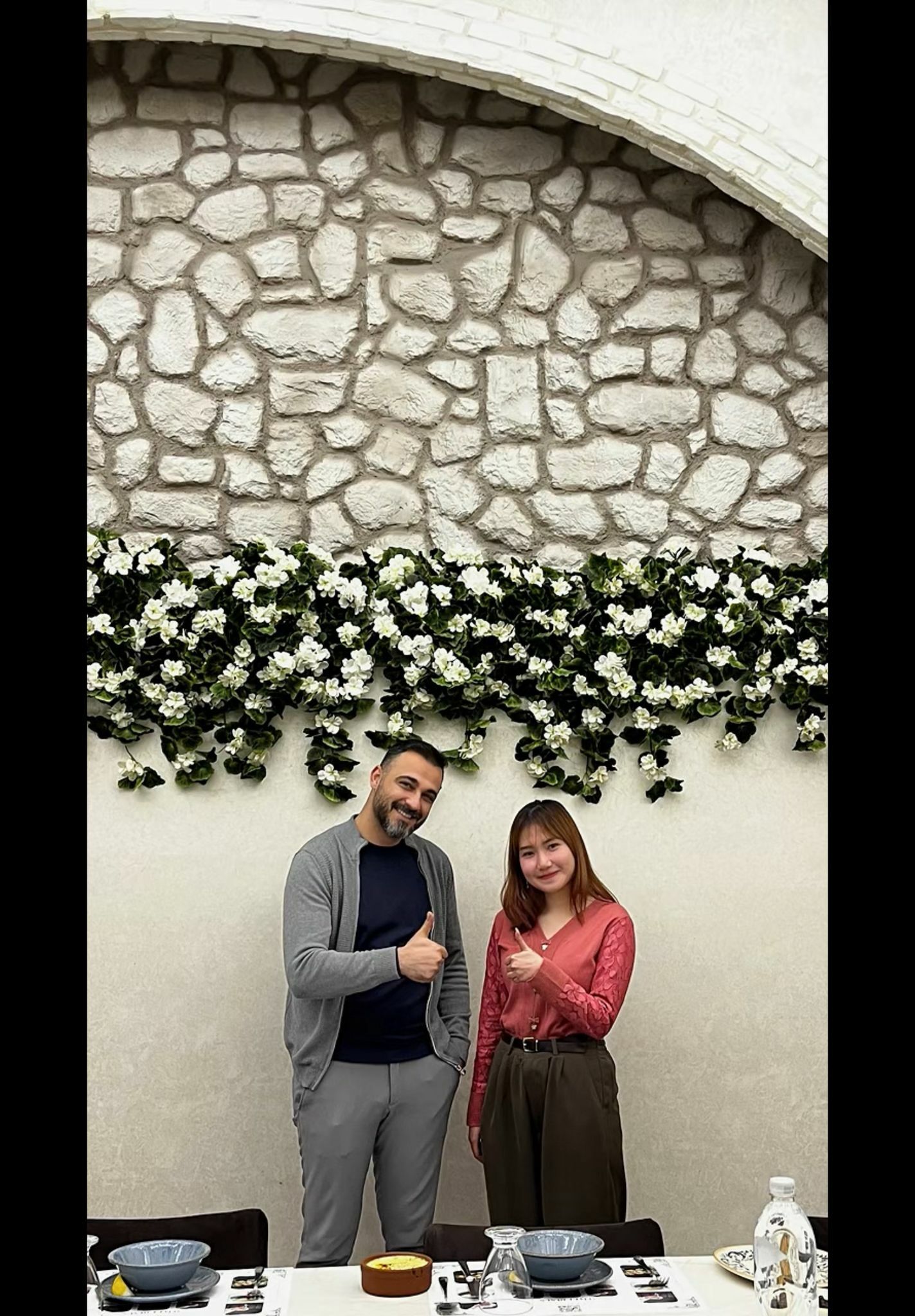

Has Döner Ankara is a Turkish food business specializing in traditional meat döner and regional cuisine. Established in the 1990s, the business grew from a small local shop into a multi-branch restaurant brand in Turkey. The company focuses on providing high-quality products made from locally sourced ingredients while keeping prices affordable for customers. Today, the business continues to expand with a vision of becoming a national and international Turkish food brand.