

Thanh Tran
Angel Klarise Punzalan
Luisa Agnes Mesquita
Andrea Brugal
Anika Sharmila
Kabir Singh

MacEwan University

Universidad de Navarra

University Of South Wales

Yang Hoong

Isabel Rodriguez Tejedo

Liam Newton


Keep this story going! Share below!
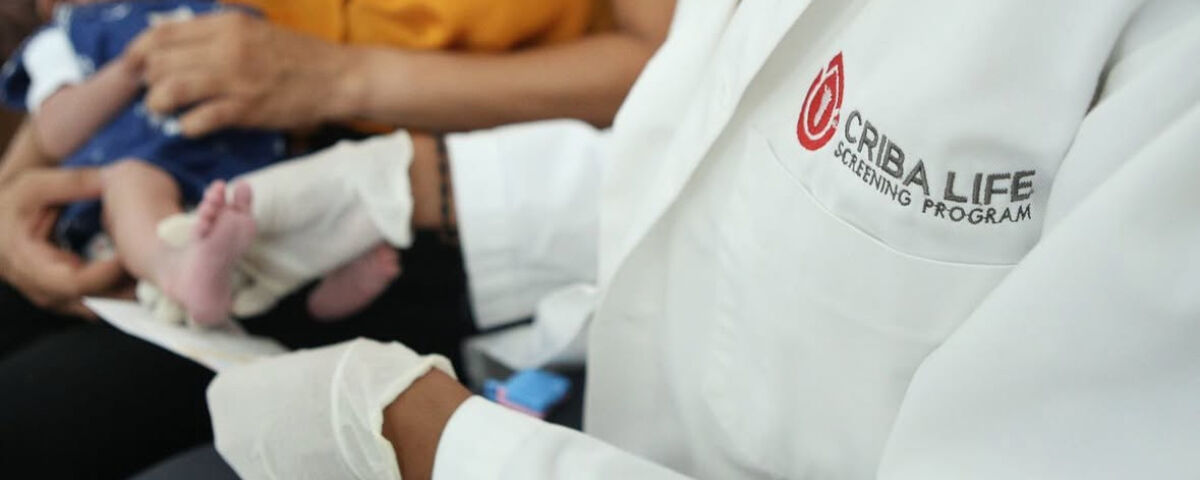
Criba Life’s main innovation is bringing neonatal and genetic screening services to the Dominican Republic, where they were not previously available. By introducing these preventive tests, the company helps detect disorders early and improves access to quality healthcare. This supports the UN Sustainable Development Goal 3: Good Health and Wellbeing by protecting newborn health, Goal 9: Industry, Innovation and Infrastructure by introducing advanced medical technology, and Goal 17: Partnerships for the Goals through its strong global and local collaborations that strengthen healthcare access across the country.
Criba Life’s innovation transforms how healthcare addresses newborn well-being in the Dominican Republic. Rather than waiting for visible symptoms, the company introduced testing that detects metabolic and genetic disorders in newborns immediately after birth. This early detection model not only saves lives but also shifts the focus of healthcare from treatment to prevention, which is something that was not common in the country before.
The innovation operates through a collaborative system that links Dominican hospitals and pediatricians with international laboratories such as the University of Massachusetts Medical School in the United States and Bioarray in Spain. By combining local healthcare delivery with global scientific technology, Criba Life ensures precise and high-quality results while strengthening the nation’s medical capacity.
The approach strongly supports the United Nations Sustainable Development Goals. SDG 3: Good Health and Well-Being is advanced through early diagnosis, which lowers infant mortality and promotes long-term health. SDG 9: Industry, Innovation and Infrastructure is reflected through the adoption of genetic sequencing and biotechnological processes that modernize national healthcare systems. Finally, SDG 17: Partnerships for the Goals plays a significant role in Criba Life’s model, as the company depends on cooperation between local professionals and international research centres, demonstrating how global collaboration drives sustainable progress in healthcare.
Through this innovation, Criba Life creates more than a medical service; it establishes a model of partnership and preventive care that supports healthier communities and a more sustainable future for families.
The inspiration behind Criba Life began with a deeply personal experience by founder Sandra Pons about a critical gap in newborn healthcare within the Dominican Republic, as the country did not have a way to discover diseases, especially metabolic disorders, before and after a child was born. According to her story, in 2003, after receiving a promotion from a blood bank that specialized in storing umbilical cord blood, she developed an interest in neonatal health. During her training in Mexico, she was introduced to neonatal screening, a preventive test designed to detect metabolic disorders in newborns. “I thought it was extremely important. It wasn’t available in my country, so when I returned home, I began to research how I could provide this important service,” Pons explained.
Witnessing the babies could appear healthy at birth but silently carry metabolic disorders which affect them negatively later on, this observation has motivated the founder to take action. “It was necessary to bring this test to the country in order to detect those babies and give them a better quality of life. Neonatal screening saves lives,” she emphasized.
This realization became the driving force, the motivation for Criba Life to keep up with what they are doing. Founded with a vision to make early diagnosis and genetic testing accessible in the country. Pon’s commitment went beyond basic business - it was a mission, a crusade to change national health care practices and push back the diseases. She began advocating on multiple channels, such as television and radio, raising awareness among pediatricians and parents about the importance of early detection. Her perseverance ultimately helped inspire the country’s current neonatal screening law. As she summarizes her company, Cirba Life embodies “the peace of mind of knowing,” turning a personal discovery into a national movement for preventive health.
Criba Life’s innovation has provided both short and long-term results which impact both individual families and the Dominican Republic’s health care system. In the short term, the company has provided improved outcomes for newborns by enabling early detection of metabolic and genetic disorders that would otherwise go undetected. Pons shared a powerful story that she had experienced with a six-week-old baby girl who was diagnosed with congenital hypothyroidism and was in a bad condition when she reached Pons’s clinic: “Within 24 hours of finding out what she [the baby girl] and starting treatment, there was a radical change in her health. “ Such cases highlight how Criba’s Life services have saved lives and prevented irreversible harm.
In the long term, the company’s persistent advocacy has helped shape national health policy. “ Initially, we did not have a law on neonatal screening, but today we do,” Pons noted proudly as she shared the results of her work. Criba Life’s work also contributed to the inclusion of galactosemia, a common metabolic disorder, in the country’s basic screening program.
Operationally, Criba Life’s partnership with the University of Massachusetts Medical School and European genetic laboratories has ensured the highest standards in testing accuracy. These collaborations have also strengthened the country’s connection to global biomedical innovation.
Through education, awareness, and international collaboration, Criba Life has created a lasting cultural shift toward preventive healthcare. Its model demonstrates how a small business can influence national policy, improve clinical outcomes, and equip families with vital knowledge that is able to safeguard future generations.
Criba Life’s focus on neonatal and genetic screening innovation has not only transformed healthcare outcomes but also strengthened the company’s business performance. By introducing services that were previously unavailable in the Dominican Republic, Criba Life positioned itself as a pioneer or trailblazer in preventive diagnostics, establishing a unique and trusted brand in a growing niche market.
The company’s collaboration with accredited international institutions, such as the University of Massachusetts Medical School and specialized laboratories in Spain, has allowed it to maintain exceptional testing quality, giving the clients confidence in the reliability of its results. These partnerships also enhance operational efficiency by ensuring that Criba Life is able to offer cutting-edge testing without bearing the high infrastructure cost of maintaining a local sequencing lab.
Founder Sandra Pons’s strong public presence through media advocacy and collaboration with pediatricians and clinics has built great awareness that fuels steady demand. “We have distributed agreements with the main clinics in our country and partnerships with pediatricians and gynecologists to raise awareness,” she said. These collaborations ensure consistent sample flow and market reach.
While economic challenges remain due to high testing costs, Criba Life’s reputation as a trusted, ethical, and socially responsible healthcare provider has created long-term value for the country and its people. The business benefits from both public credibility and institutional recognition through partnerships, allowing it to sustain growth and attract strategic partners and investors. Its innovation-driven model has proven that social impact and financial sustainability can successfully coexist in the health sector.
Criba Life’s innovation directly advances public health and social equity by improving access to life-saving diagnostic testing for newborns and families, no matter their income level, in the Dominican Republic. Before its founding, many babies were at risk of undetected metabolic or genetic disorders that could lead to serious illness when they grew up or even death. Through early detection, Criba Life is able to perform treatment in a timely manner and ensure health improvements for its patients. “Early detection allows the pediatrician and the family to provide medication and care … it allows us to provide a better quality of life,” said Pons.
The company’s services primarily benefit newborns, their mothers, and healthcare providers, but it can also bring benefits to the larger society. By reducing preventable health complications, Criba Life helps families avoid emotional and financial strain and reduces long-term pressure on the public healthcare system.
Criba Life also plays an important role in raising awareness and promoting preventive care, changing the national mindset from reactive to proactive healthcare. Its educational campaigns, partnerships with clinics, and advocacy have contributed to an enormous change, especially the adoption of the neonatal screening law.
By aligning with three United Nations Global Goals, SDG 3 (Good Health & Well-Being), SDG 9 (Industry, Innovation, and Infrastructure), and SDG 17 (Partnerships for the Goals), Criba Life has demonstrated how innovation can drive systemic change and impact. It creates a bridge between global science and local need, empowers families with knowledge, and builds a healthier future generation through accessible, affordable, ethical, and sustainable healthcare innovation.
Get stories of positive business innovations from around the world delivered right to your inbox.
Sandra Pons, Founder/President

Criba Life is a Dominican company that focuses on neonatal and genetic screening. The idea began in 2003, when Sandra Pons became interested in newborn health and preventive testing. By 2010, she officially launched Criba Life with the goal of helping detect treatable conditions in babies from birth. The company partners with international institutions such as the University of Massachusetts Medical School and Bioarray in Spain to process its tests. Through this work, Criba Life has helped families gain early access to life-saving information and continues to promote awareness about preventive health across the Dominican Republic.