

John Mclaughlin
shivana dhingra
Ashley Murakami
Molly Robison

Loyola Marymount University
Jeff Thies


Keep this story going! Share below!
Paradise Found is a Hawaii-based apparel company that produces locally made Aloha shirts, blending cultural heritage with modern retail through both wholesale and direct-to-consumer channels. The business is exploring more sustainable fabrics, recycling materials, and eco-friendly operations to reduce its environmental impact. These efforts support UN Sustainable Development Goals such as Decent Work and Economic Growth (SDG 8), Industry, Innovation and Infrastructure(SDG 9), and Responsible Consumption and Production (SDG 12) by promoting more sustainable fashion practices.
Paradise Found, a Hawaiian apparel company specializing in authentic Aloha shirts, is implementing a practical and thoughtful sustainability innovation across its operations. Since acquiring the brand in 2022, owners Scott and his business partner have focused on reducing waste and improving environmental responsibility while preserving the quality and cultural heritage of traditional Hawaiian clothing.
The core innovation is a comprehensive waste-reduction and responsible production strategy. This includes donating fabric scraps generated during the cutting process to local organizations in Hawaii and even Japan, where the material is repurposed into bags, leis, and other useful items instead of being discarded. The company also works with established contractors and factories that maintain good working conditions and fair pay, seeks more sustainable fabric options (such as low-water, low-chemical rayon), minimizes fuel consumption in logistics, uses recycled packaging when possible, and has upgraded its office with energy-efficient lighting. These changes are being introduced gradually as the company grows.
This innovation directly supports SDG 12: Responsible Consumption and Production by preventing textile waste, reducing resource consumption, and promoting circular practices in the fashion industry. By turning manufacturing leftovers into new products and making incremental improvements across the supply chain, Paradise Found Shirts demonstrates that even a small apparel company can make meaningful progress toward a more sustainable and responsible way of doing business — creating less harm while honoring the spirit of Aloha.
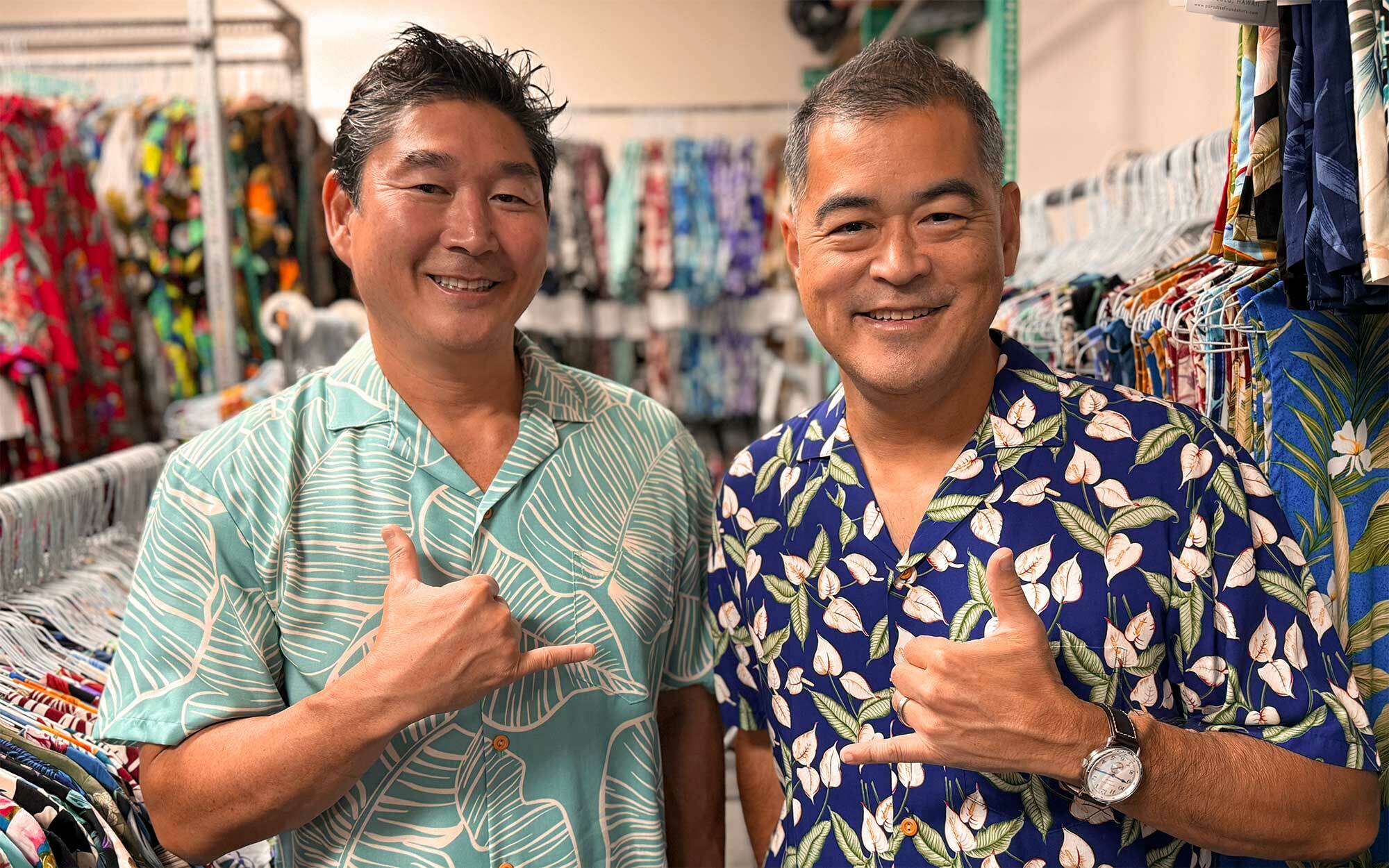
The inspiration behind Paradise Found’s sustainability efforts stems from a genuine desire to operate more responsibly while honoring the brand’s Hawaiian heritage. After acquiring the company in 2022, Scott and his business partner wanted to move beyond traditional manufacturing practices that generate significant waste.
When asked what drives their approach, Scott explained:
“Sustainability is simply a matter of trying to do the most with the least — whether it comes to using sustainable products or not wasting material. There’s a lot of wastage in the manufacturing process… We kind of put one piece into place at a time as we move forward.”
He also shared the motivation behind their scrap fabric initiative:
“We try to make use of all the scrap fabric that is generated when you make a piece of clothing… Normally that’s just thrown away and that’s how it’s been for forever. What we try to do now is we donate what we can to different groups here in Hawaii or even recently in Japan where they can make other things out of it like bags or leis or whatever they see fit — anything but just throwing them away.”
This inspiration reflects a practical, values-driven mindset — balancing economic realities with environmental responsibility. Rather than pursuing one large dramatic change, Scott and his team are steadily implementing improvements across fabric sourcing, waste reduction, logistics, and packaging. Their goal is to build a more sustainable business model that respects both the planet and the cultural tradition of Aloha shirts.
Since acquiring Paradise Found in 2022, Scott and his business partner have introduced several practical sustainability initiatives that are already creating positive impact. The most visible short-term effect is the reduction of textile waste through their fabric scrap donation program. Instead of discarding leftover material from cutting patterns, they now donate it to community groups in Hawaii and even Japan, where it is repurposed into bags, leis, and other useful items. This has diverted a meaningful amount of waste from landfills in the short term.
In the longer term, these efforts are helping shift the company toward a more circular and responsible model. By working with contractors that maintain good working conditions, seeking lower-impact fabrics (such as rayon that uses less water and chemicals), minimizing fuel use in logistics, and using recycled packaging when possible, Paradise Found is gradually reducing its overall environmental footprint. These changes support SDG 12: Responsible Consumption and Production by preventing waste and promoting more efficient resource use in the apparel industry.
Evidence of impact includes the successful redirection of fabric scraps that would otherwise have been thrown away, as well as the company’s ongoing transition to more sustainable materials and practices. While still a relatively small company, Paradise Found’s incremental approach demonstrates that even traditional apparel businesses can make meaningful progress toward sustainability. Their efforts are creating both environmental benefits and a stronger, more values-aligned brand for the future.
Because Paradise Found made a deliberate commitment to more responsible and sustainable production practices after acquiring the company in 2022, the business has begun to see tangible benefits. By donating fabric scraps to local organizations instead of throwing them away, working with factories that provide good working conditions, and gradually sourcing more sustainable fabrics, the company is strengthening its brand reputation and building stronger relationships with customers who value ethics and sustainability.
This innovation is helping Paradise Found differentiate itself in the competitive Aloha apparel market. Customers have already expressed interest in more sustainable options, which opens new market opportunities — particularly with buyers who are willing to pay a modest premium for responsibly made products. The focus on reducing waste and improving efficiency also supports better long-term cost management and resource use. Additionally, providing good working conditions for contractors contributes to employee and partner wellbeing, creating a more positive and stable supply chain.
Because the business chose to align its operations with its values, Paradise Found is positioning itself for sustainable growth. These efforts are enhancing brand loyalty, attracting environmentally conscious customers, and laying the foundation for future expansion into new markets and product lines. By embedding sustainability into its core operations rather than treating it as an afterthought, the company is building a more resilient and respected business for the long term.
Paradise Found’s sustainability initiatives are creating meaningful benefits for both society and the environment. By donating fabric scraps generated during production to community groups in Hawaii and Japan, the company prevents textile waste from ending up in landfills. These scraps are repurposed into useful items such as bags and leis, giving new life to materials that would otherwise be discarded. This circular approach reduces the environmental burden of apparel manufacturing while supporting local communities and organizations.
The company also works with local contractors and facilities that maintain good working conditions and fair pay, contributing to SDG 8: Decent Work and Economic Growth. Additionally, by seeking lower-impact fabrics (such as rayon that uses less water and fewer chemicals), minimizing fuel consumption in logistics, and using recycled packaging when possible, Paradise Found is lowering its overall environmental footprint. These steps help reduce resource consumption, pollution, and carbon emissions associated with traditional apparel production.
Because Paradise Found chose to implement these responsible practices, the company is demonstrating that even a small apparel business can make a positive difference. Their efforts support a cleaner environment, stronger communities, and a more sustainable model for the fashion industry — proving that business success and environmental responsibility can go hand in hand.
Get stories of positive business innovations from around the world delivered right to your inbox.
Scott Murakami, CEO

Paradise Found originated in 1976 under Kirha Corp. and became its own label in 1983, gaining major popularity when Tom Selleck wore its iconic Aloha shirts on *Magnum, P.I.*. The brand grew through retail partnerships and international demand, with its signature “Jungle Bird” shirt even becoming part of the Smithsonian Institution collection. Over time, ownership evolved, most recently becoming part of Paradise Brands in 2021, which modernized the business with e-commerce and new designs. Today, the company continues to produce its apparel in Hawaii, staying true to its roots and craftsmanship.