

Chase Fulton
Elizabeth Lathrop
Nomvuyo Masilela
Yukai Lu
Freya Busser
Case Western Reserve University - Weatherhead School of Management

Megan Buchter


Keep this story going! Share below!
Fulton Equity is a company that makes controlling investments in lower-middle market companies. Their aim is to increase an acquired company's value while working with previous and future ownership to maintain the core of the company and properly support the employees. This works to provide decent work and economic growth in local communities as well as reduced financial inequality between the everyday working American and the top percent of business owners.
A notable example is the sale of LEFCO to Evergreen Cooperatives, which converted the company into an employee-owned organization. Through this approach, workers gain a meaningful stake in the businesses where they work, allowing them to share in the value that the company creates. This model represents an innovative approach to private equity due to its integration of traditional value creation with employee ownership and community retention in mind. Private equity is often notorious for its tendency to strip acquired companies down to their parts, merge what is valuable to a larger corporation, and leave what is not as valuable to decay. This extracts value from local communities rather than giving back to them while removing jobs and local businesses at the same time. By prioritizing buyers such as employee stock ownership plans (ESOPs), cooperatives, local individuals, or other mission-aligned organizations, Fulton Equity attempts to ensure that the long-term benefits of business growth extend beyond investors.
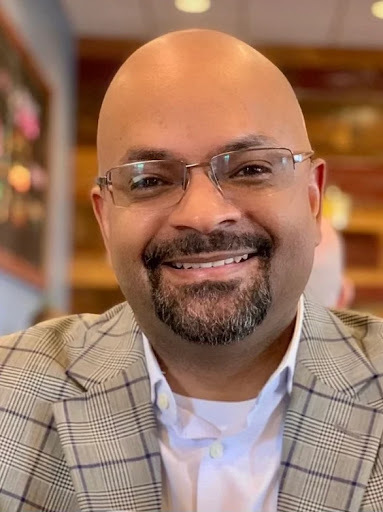
Mr. Fulton lives staunchly by his motto: "If you do something, do it the right way". This mantra propagates through every facet of his life, through the way he has raised his children to the attitude he takes when dealing with business decisions. He takes care to get to know each of the lives he has touched through the employment opportunities he provides, understanding that his actions impact the lives of many people.
Keeping local businesses local both directly and indirectly benefits the community through access to resources, generation of tax dollars, and employment.
Mr. Fulton connects with his community through the businesses he has invested in and through the education he provides, fostering recognition as a force for good. The company culture and stability leads to high rates of employee wellbeing, high productivity, stronger commitment to company performance, and low turnover. From Fulton Equity's perspective, this helps increase the value of the company during ownership and prior to exit.
Additionally, because Fulton Equity focuses on maintaining businesses locally rather than spreading a portfolio around the United States, this avoids disruptive restructuring. Thus, before acquisition and after sale, there are smoother transitions in leadership and stronger bonds between management and workers. This stability reduces operational risk and makes the company more attractive to future buyers.
Mr. Fulton also uses the opportunities provided to him through Fulton Equity to pass on his knowledge to the future generations. Partnering with universities and training seminars, especially often speaking at Case Western Reserve University, he is passionate about teaching about entrepreneurship through acquisition and sustainable business practices within the field.
Get stories of positive business innovations from around the world delivered right to your inbox.
Larry Fulton, Founder, CEO