

Dylan Aspesi
Erin Kok
Cristina Jones
Naomi Escobedo
Loyola Marymount University
Jeff Thies


Keep this story going! Share below!
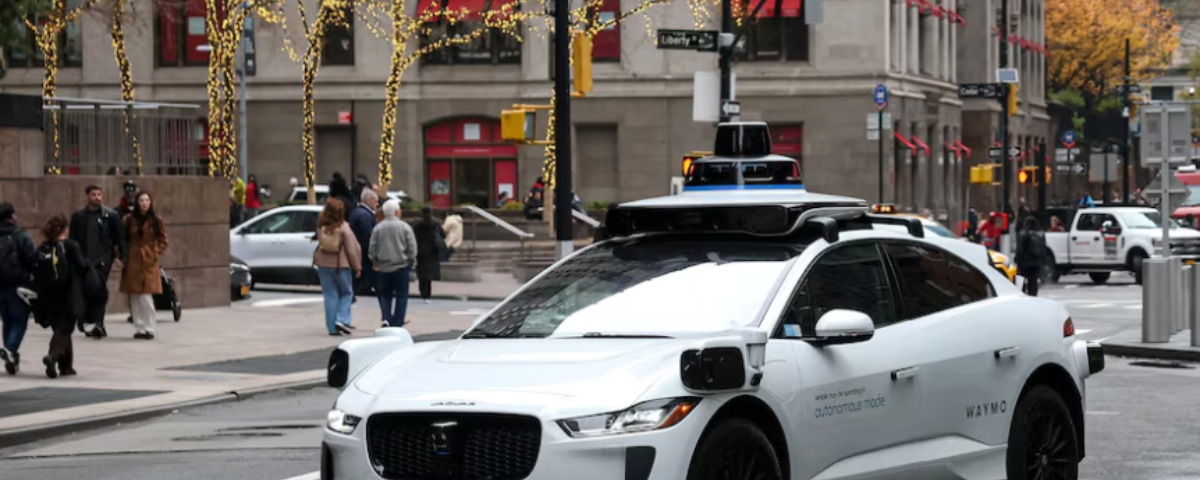
Waymo is focused on developing fully autonomous vehicles that use artificial intelligence, advanced sensors, and real-time mapping data to operate without a human driver. Their main business solution is a self-driving ride-hailing service, where users can request a driverless car through an app and be transported safely to their destination. The goal is to create a system that is not only more convenient, but also significantly safer and more efficient than traditional human-driven transportation. Since human error is responsible for the vast majority of car accidents, removing that factor has the potential to greatly reduce crashes, injuries, and fatalities on the road. In addition to safety, Waymo’s technology helps improve how cities function by optimizing driving patterns, reducing traffic congestion, and supporting the transition toward electric vehicles, which can lower overall emissions. This directly connects to several UN Sustainable Development Goals. It supports SDG 9 (Industry, Innovation, and Infrastructure) by advancing cutting-edge transportation technology and modernizing infrastructure. It also aligns with SDG 11 (Sustainable Cities and Communities) by making urban transportation safer, more accessible, and more efficient for a growing population. Additionally, it contributes to SDG 3 (Good Health and Well-Being) by aiming to reduce traffic-related injuries and deaths. Overall, Waymo’s innovation is not just about convenience, but about reshaping transportation in a way that prioritizes safety, sustainability, and long-term urban improvement.
The innovation, as described by Kelly is Waymo’s "development of self-driving cars… it’s considered level four, which means you don’t need a human driver in the seat.” Waymo, originally founded in 2009 as a project under Google and later spun off into its own company, is based in Mountain View, California. The company was created by early leaders in artificial intelligence, including Sebastian Thrun, with the goal of advancing autonomous driving technology. Today, Waymo operates as a private company offering fully driverless ride-hailing services, meaning passengers can ride in a vehicle without a human driver present at all. The “how” behind this innovation is what really sets it apart. Unlike competitors that still require a human driver as a backup, Waymo’s technology is fully autonomous and designed to handle real-world driving conditions independently. The company has gradually scaled its operations, starting in smaller, less complex areas such as Chandler, Arizona, and expanding into more challenging environments like San Francisco. This step-by-step approach has allowed them to test, improve, and prove the reliability of their technology before expanding further. In terms of the UN Sustainable Development Goals, this innovation directly connects to climate action and responsible consumption. Waymo operates fully electric vehicles, reducing emissions, and promotes a shared transportation model that decreases the need for individual car ownership. At the same time, it supports a safer and more accessible world by addressing major issues such as traffic accidents and limited mobility for certain populations. Overall, the innovation is not just about technology, but about rethinking how transportation can be safer, cleaner, and more inclusive.
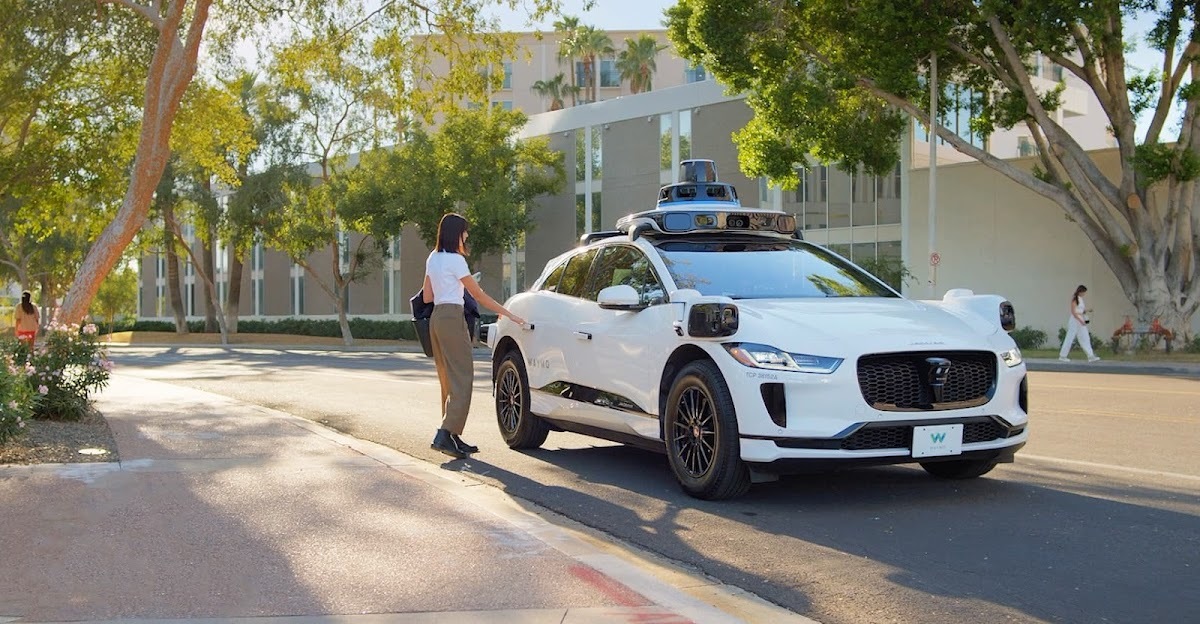
While interviewing Kelly, we were given key insight into the inspiration with Waymo and their autonomous car. There was a key quote which was, “every 26 seconds, someone dies in a car crash…over a million people worldwide every single year”. This motivated the leaders to find a fix to this real-world problem, which involved creating their cars that strive to improve safety. Through our time with Kelly, it is clear that they have had this sense of purpose from the beginning. She quoted the mission statement, which is,” to be the world’s most trusted driver by making roads safer, more accessible and also more sustainable.” This statement shows that profit is not at the forefront of their goal, instead, it is making sure safety and sustainability are achieved with every drive. During the interview, we learned some more about the earlier time of the company where the leaders went and joined the DARPA Challenge, which is a competition that tests autonomous technology. From this Kelly mentioned that they”decided that it was worth pursuing further “ which led to them to continue on developing what is now Waymo. From having this experience with the DARPA Challenge, it added to their ongoing inspiration of autonomous technology and helped configure a path of innovation.
The impact of Waymo’s innovation is already measurable, especially in terms of safety. Kelly informed us that Waymo vehicles have driven over 170 million fully autonomous miles, which provides a strong data foundation for evaluating performance. Compared to human drivers, Waymo’s technology has been involved in significantly fewer serious crashes, including 92% fewer crashes resulting in serious or fatal injuries and over 80% fewer crashes involving injuries or airbag deployment. These numbers show clear short-term impact by proving that autonomous driving can reduce accidents and improve road safety. Beyond safety, the innovation has also had immediate effects on accessibility and everyday life. Waymo provides a transportation option for people who may not be able to drive themselves, including individuals who are blind or those who feel unsafe using traditional ride-sharing services. In the interview, she described, "we also offer a safe, autonomous ride where you don’t have to worry about the stranger in the front seat,”. The company has also partnered with organizations like Mothers Against Drunk Driving, which shows how the technology can directly contribute to reducing risky behaviors and making communities safer. Looking at the long-term impact, the potential is even bigger. As Waymo continues to expand into more cities and even internationally, it could significantly reduce the number of personal vehicles on the road, lowering overall carbon emissions and improving urban efficiency. Over time, this shift could change how people think about transportation entirely, moving from individual ownership to shared, sustainable mobility. The combination of safety data, expansion across cities, and real-world partnerships all provide strong evidence that this innovation is already making an impact and has the potential to create even broader global change.
The innovation of autonomous driving technology has created significant business value for Waymo by opening up an entirely new market in transportation. Because the business developed fully autonomous, Level 4 ride-hailing services, Waymo has been able to offer a unique product that differentiates it from competitors like Uber, Lyft, and other self-driving companies that still require a human driver. This has allowed the company to position itself as a leader in autonomous mobility and establish a strong presence in multiple cities, expanding from a small suburban area in Phoenix to over 11 cities and international testing locations. Because the business focused on being first to market with fully autonomous vehicles, it has gained a competitive advantage that can lead to long-term growth and investment opportunities. As mentioned in the interview, being “first to market is key,” since entering cities early allows Waymo to build brand recognition and customer trust before competitors catch up. Additionally, we heard from the interview that "we are very supported by a ton of different leadership teams, starting with Alphabet… they’re one of our biggest, largest investors". The strong financial support from its parent company, Alphabet, has enabled continued investment in research, development, and scaling operations, which is critical for maintaining leadership in such an advanced and expensive industry. Finally, the innovation has also contributed to employee engagement and retention within the company. Waymo operates as a mission-driven organization, where employees feel they are working on something meaningful and impactful. This not only helps attract talent across different functions, but also keeps employees motivated to contribute to long-term goals. As a result, the innovation supports both the company’s growth and its internal culture, strengthening its ability to continue expanding in the future.
Waymo’s self-driving technology benefits society mainly by making transportation safer and more accessible. The biggest group impacted is everyday people who rely on getting around cities, especially in places like Phoenix, San Francisco, and Los Angeles where Waymo is already operating. By removing the human driver, the technology directly reduces human error, which is the cause of most car accidents. Over time, that means fewer crashes, injuries, and deaths. It also helps people who may not be able to drive themselves, like elderly individuals or people with disabilities, by giving them a more reliable and independent way to get around. As the technology expands into more cities, these benefits will only become more widespread. From an environmental perspective, Waymo also has some clear long-term advantages. A lot of their vehicles are electric, and their driving system is designed to be more efficient by avoiding unnecessary braking, speeding, and idling. This helps reduce emissions compared to typical human driving, especially in busy urban areas where traffic is a big issue. By improving traffic flow and making driving more efficient overall, Waymo can help lower fuel consumption and pollution over time. If this type of technology continues to scale, it could play a big role in making cities cleaner, safer, and more efficient, while also improving the overall experience of transportation.
Get stories of positive business innovations from around the world delivered right to your inbox.

Waymo is a technology company focused on developing and operating fully autonomous driving systems. Originally launched as a project within Google in 2009, the company became its own entity to focus on advancing self-driving technology. Waymo provides autonomous ride services using vehicles powered by artificial intelligence, sensors, and machine learning. The company operates in multiple cities and continues to expand its services both in the United States and internationally.