

Samantha Trouf
Cassandra Gallagher
Isabella Schulist
Kimberly Almonte

Fairleigh Dickinson University (FDU)

Aixa Ritz


Keep this story going! Share below!
During a Zoom interview, Katie Frisina explained that Blue Q is a for-profit business with a mission to “bring joy to the world.” While profitability is necessary to support employees, the company prioritizes creating meaningful, thoughtful products that connect with people. Through its focus on sustainability, ethical sourcing, and intentional product design, Blue Q advances UN Sustainable Development Goals such as Responsible Consumption and Production (SDG 12) and Good Health and Well-Being (SDG 3).
Blue Q incorporates lifecycle thinking into every product it creates. Ms. Frisina stated that the company does not produce anything without first considering where raw materials come from and where the product will end up after use. Examples include eliminating plastic packaging in catnip products and replacing plastic stitching with metal alternatives, showing how even small design choices support sustainability.
The company sources products globally, including from Asia, using carefully selected manufacturing partners. Blue Q conducts extensive research, holds virtual meetings, and visits factories in person before committing. Manufacturers must meet standards for fair wages and ethical practices. Many of these partnerships have lasted over a decade, reflecting long-term relationships built on shared values.
Blue Q also innovates by entering new product categories without prior expertise. Ms. Frisina shared that while the company “knew how to make a book, but not a woven sock,” it learned entirely new production processes and built new partnerships. She emphasized that much of the innovation comes from trial and error, noting the company is “always learning something new,” especially when expanding into unfamiliar products like baby items.
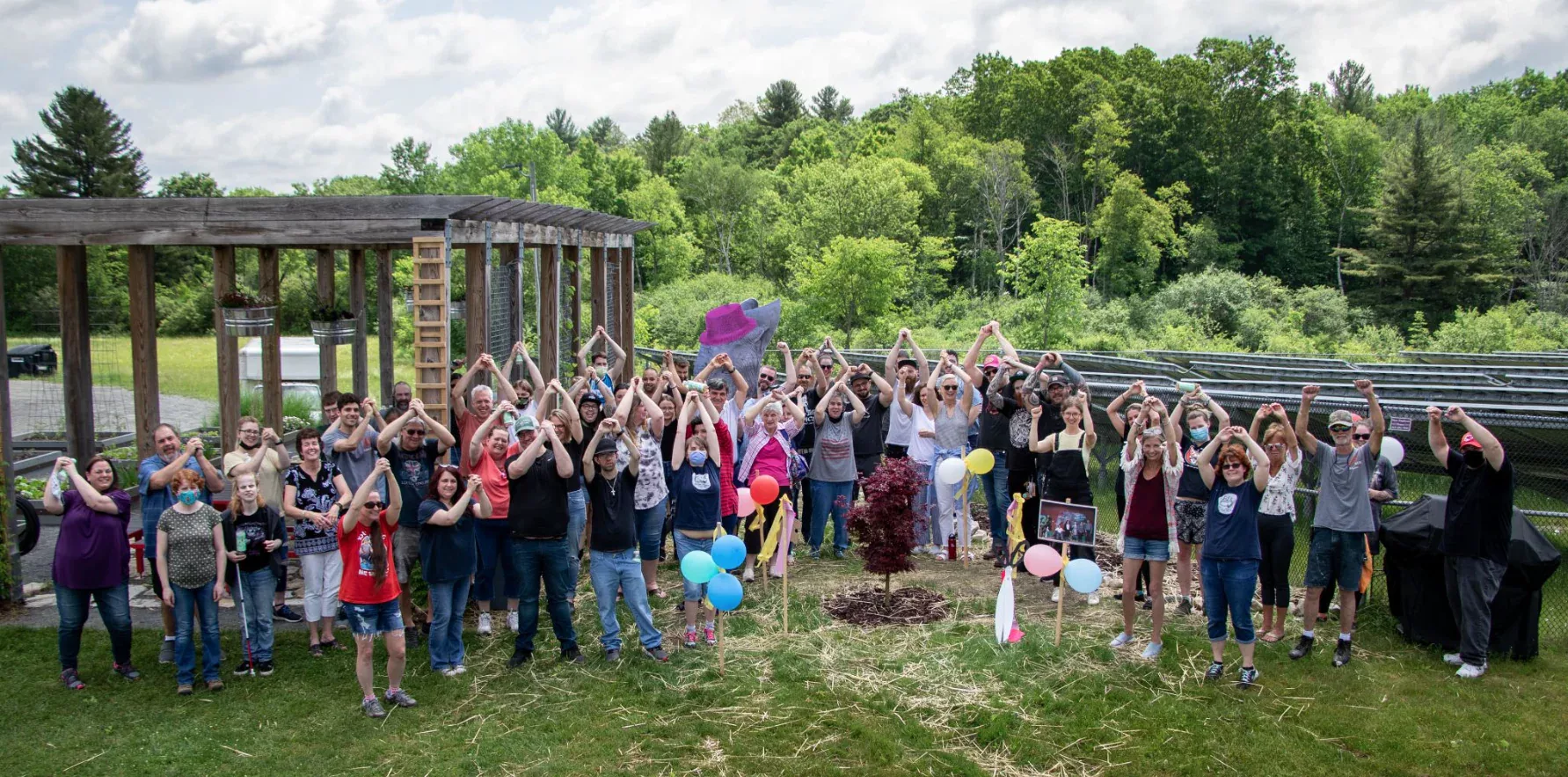
Ms. Frisina explained that Blue Q’s sustainability focus began before her time. Founded in 1988, sustainability was not a major consideration, but around the early 2000s, the company began producing items like shopping bags made from recycled water bottles, marking a turning point in reducing waste and extending material life.
Reflecting on her role, Ms. Frisina shared that she joined after working at a local art museum. Through a personal connection, she was invited to join the product development team and helped formalize sustainability principles. She said, “When I started, that’s when we began talking more formally about sustainability,” and emphasized that alignment with leadership values, “what was important to me was important to Mitch and Seth as well,” was key to maintaining the company’s mission over time.
When asked about the impact of their sustainability efforts, Ms. Frisina explained that Blue Q has made meaningful contributions both environmentally and socially. Many of their products are made from recycled materials, including bags created from post-consumer waste such as water bottles. The company has also eliminated unnecessary packaging components, such as plastic hooks on socks, after realizing they were not recyclable. Ms. Frisina emphasized that Blue Q constantly evaluates its products, asking whether there is a better, less harmful way to produce them.
She also highlighted the company’s charitable contributions, noting that Blue Q has donated millions of dollars to organizations such as Doctors Without Borders, as well as various environmental and social justice initiatives. Donations are built directly into product pricing, with Ms. Frisina stating, “we won’t make a product if there isn’t enough room to give back.” Beyond financial contributions, employees regularly participate in local volunteer efforts and community programs, further extending the company’s social impact.
Regarding internal impact, Ms. Frisina pointed out that Blue Q values inclusivity and long-term employee relationships. Individuals with disabilities have been part of the workforce for over 30 years and play essential roles in daily operations. She shared an example of an employee who noticed a change in product ingredients during production, highlighting the importance of every team member’s contribution and demonstrating how the company integrates employee engagement with its mission.
When asked how sustainability affects the business, Ms. Frisina explained that the company’s approach has contributed to long-term growth and stability. She described how the development of new products, such as socks, became a major success despite initial challenges. The company had no prior experience in this category but invested time in learning the production process and building relationships with manufacturers, which ultimately led to significant growth and new revenue opportunities.
Ms. Frisina also highlighted that Blue Q prioritizes long-term partnerships, both with manufacturers and customers. The company remains loyal to its partners even during difficult times, such as tariff increases or economic disruptions. This approach fosters trust and consistency across the supply chain, creating a stable foundation for continued business operations.
In addition, she noted that the company’s focus on sustainability and meaningful products strengthens its brand identity. By working primarily with small, independent retailers rather than large chains, Blue Q maintains a distinct presence in the market. Customers are drawn not only to the products themselves but also to the values behind them, enhancing loyalty, retention, and market differentiation.
When asked who benefits most from their initiatives, Ms. Frisina explained that both customers and the broader community see an impact. Customers can feel confident that their purchases support meaningful causes, while also bringing a bit of joy and humor into everyday life. She emphasized that this emotional connection is central to the company’s mission.
Ms. Frisina also talked about Blue Q’s partnerships with nonprofit organizations, which support healthcare, environmental protection, and social justice efforts. She added that the company is actively involved in its local community, participating in volunteer work and organizing events that bring people together.
When asked how the company ensures its impact is meaningful, Ms. Frisina said, “We mean what we say and do the hard work.” She explained that this includes thoroughly vetting partners, asking detailed questions about sustainability claims, and constantly evaluating their own practices. The company focuses on making informed, responsible decisions rather than accepting easy answers, ensuring their social and environmental impact is genuine.
Get stories of positive business innovations from around the world delivered right to your inbox.
Katie Frisina, Management

Blue Q is a creative company based in Pittsfield, Massachusetts, that designs fun, practical, artist-designed products such as bags, socks, and accessories. The company combines humor and creativity with social responsibility, supporting artists and promoting sustainability. Many products use recycled materials, and Blue Q focuses on durable design to reduce waste. Additionally, a portion of sales is donated to environmental and social justice organizations, supporting both local and global communities.