
Musa Hakanoğlu
Kutay Gümüş
Ahmet Buğra Yaman
Göknur Saygın

Ankara Yildirim Beyazit University
Semih Ceyhan


Keep this story going! Share below!
The Kilis Hotdisc and Alternative Fuel Feeding System by Limak Cement helps reduce dependence on fossil fuels in cement production. An important part of this development is replacing part of fossil fuel use with alternative fuels in the kiln process. This matters because cement production consumes a large amount of energy and has a high carbon footprint. Using waste-based fuels in the kiln decreases the carbon intensity of the process and creates value from waste materials that might otherwise be sent to landfill. In essence, it promotes a circular economy. This innovation supports three UN SDGs: SDG 13 Climate Action, SDG 12 Responsible Consumption and Production, and SDG 9 Industry, Innovation and Infrastructure.
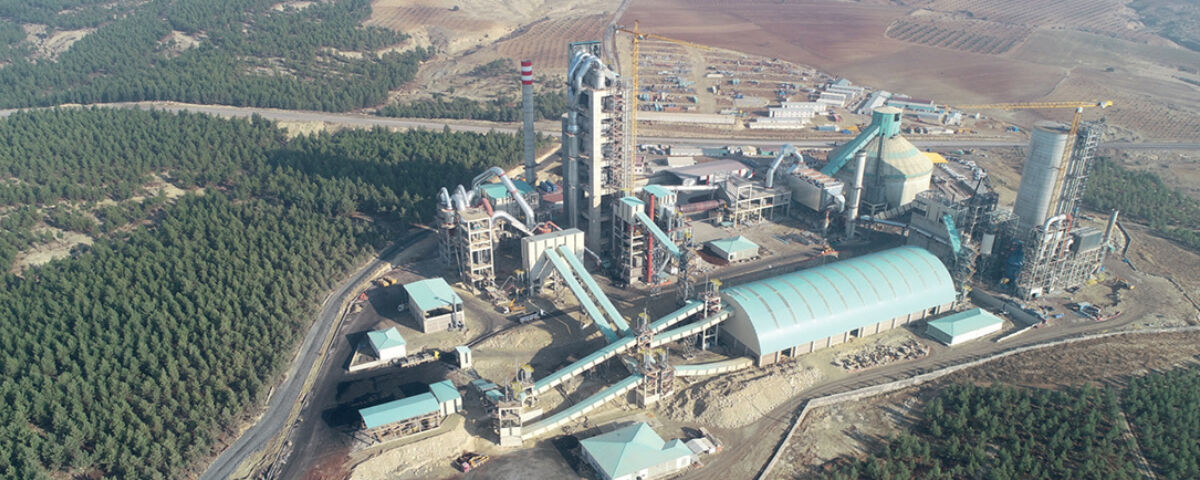
Limak Cement’s innovation is the Kilis Hotdisc and Alternative Fuel Feeding System, installed at the Limak Kilis Cement Factory in 2025. The system is part of Limak Cement’s broader low-carbon production approach. Cement production, especially clinker production, requires extremely high temperatures and has traditionally relied on fossil fuels such as coal. Limak Cement implemented this system to make the use of waste-derived alternative fuels easier in the production process.
The important point is that Hotdisc is not a machine that directly “removes carbon” by itself. The real environmental value comes from replacing part of coal use with alternative fuels made from waste. During our interview, Limak Cement representatives explained that waste is not stable like coal: its size, moisture, content and calorific value can change. Because of this, normal coal feeding systems cannot easily handle different waste materials. Hotdisc helps solve this operational problem by allowing larger and more varied waste-derived fuels to be fed into the kiln process more safely and efficiently.
According to Limak Cement’s 2025 Sustainability Report, the Kilis system targets up to 45% use of alternative fuel. Performance trials showed that around 50% of the calorific load could be supplied through the Hotdisc system. If this performance continues throughout the year, approximately 100,000 tons of CO₂ emissions per year is expected.
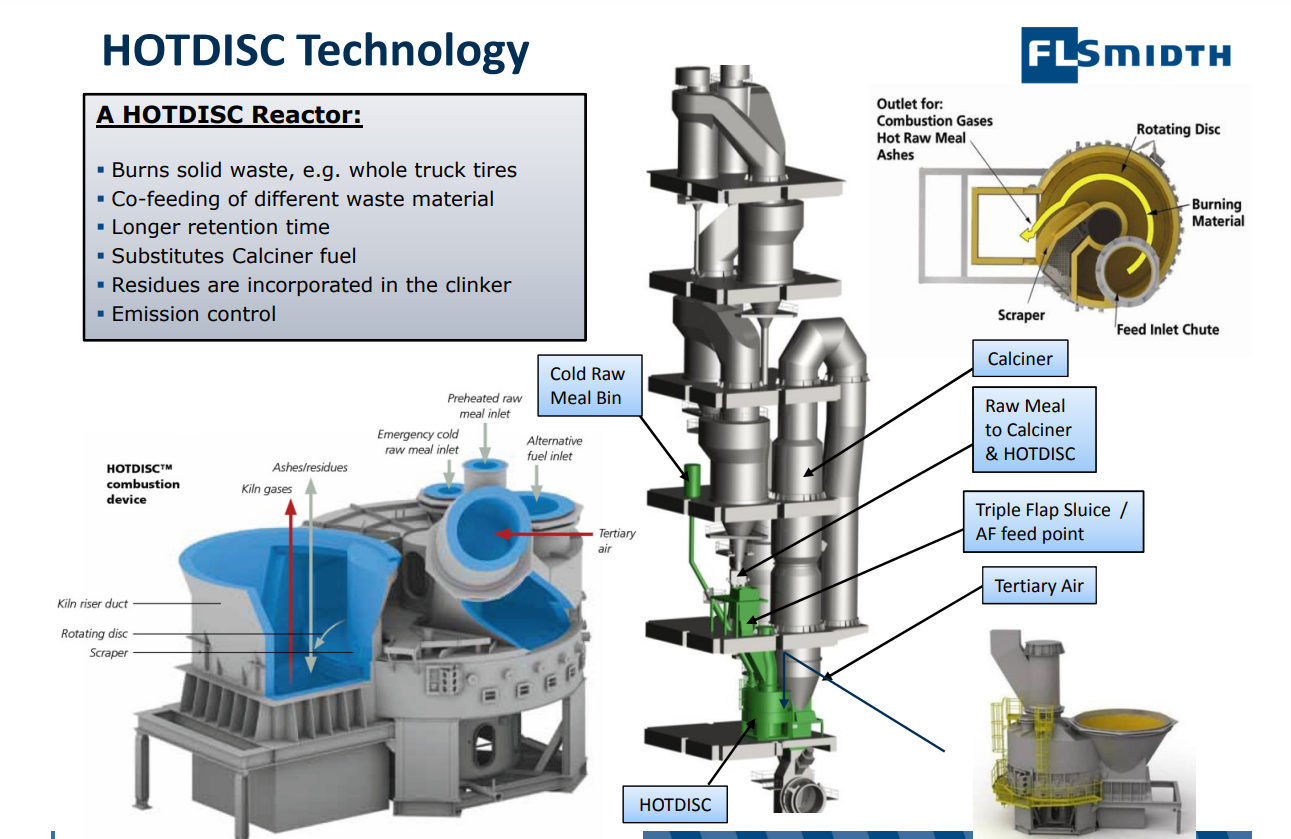
HOTDISC technology supports alternative fuel use in cement production by enabling different waste materials to be fed into the kiln process.
The driving force behind this innovation is the need to reduce reliance on fossil fuels in cement production, an energy-intensive industry. During our interview, a Limak Cement representative explained that the cement sector’s biggest challenge is its high energy demand and heavy use of fossil fuels. In their words, “The biggest problem in the cement sector is that it is an energy-intensive industry. Fossil fuel use is very high, so our main challenges are energy consumption and carbon footprint.”
The representative also emphasized that low-carbon production is no longer optional. Climate change, global warming, the 1.5°C target, emissions trading systems, carbon taxes, and carbon border mechanisms are pushing industrial companies to transform. The representative said, “Low-carbon production is a necessity — both as an environmental and sustainability obligation.” This shows that the motivation behind the project is not only environmental responsibility, but also preparation for future regulations and international competition.
This shaped our understanding of the project. The goal is not simply to install a new machine, but to enable coal replacement under real production conditions. Therefore, the company’s main drive was to bridge the gap between its ambitious sustainability targets and the practical constraints of daily factory operations. Hotdisc became one of the technologies that support this shift from fossil fuel dependency toward lower-carbon cement production.
The Kilis Hotdisc and Alternative Fuel Feeding System improves the Kilis Cement Factory’s ability to work with a wider range of fuel sources. In the short term, the main impact is operational: the plant can use different types of waste-based fuels that would be difficult to handle in a normal coal feeding system. This matters because waste materials can have different sizes, moisture levels, and contents. The system therefore gives the factory more technical flexibility and makes alternative fuel use more stable in daily production.
The project also provides Limak Cement with a more practical way to connect production to the circular economy. Instead of seeing certain waste streams only as materials to be disposed of, the factory can use them as an energy input. This creates value in two directions: it reduces pressure on fossil fuel use and also supports waste recovery. In the interview, Limak Cement representatives described this as a double benefit, because the project creates value for the company while also reducing the environmental burden of waste disposal.
The clearest evidence of impact comes from Limak Cement’s 2025 Sustainability Report. The report states that the Kilis system targets up to 45% alternative fuel use, and trial results showed that around 50% of the calorific load could be supplied through the Hotdisc system. If this level of performance continues throughout the year, the company expects to achieve around 100,000 tons of CO₂ emissions reduction annually. In the long term, this project helps Limak Cement move toward lower-carbon production. It also prepares the company for future carbon rules, especially in export markets where emissions may become an important part of competitiveness.
The Kilis Hotdisc and Alternative Fuel Feeding System gives Limak Cement a more flexible and resilient production model. Energy is one of the highest cost and risk areas in clinker production, so being able to use a wider range of fuel sources is valuable for the company. By making waste-based fuels easier to use, the project helps the Kilis plant reduce its reliance on coal and manage its fuel supply more flexibly.
The innovation also creates an operational benefit. Waste materials are not as standard as coal; their size, moisture, content, and energy value can change. A normal coal feeding system is not designed for this variety. The Hotdisc system makes it easier for the plant team to feed different types of alternative fuels into the kiln process in a more controlled way. This supports process stability and makes alternative fuel use more practical in daily operations.
In the long term, the project helps Limak Cement prepare for a market where carbon performance will matter more. Carbon regulations, emission trading systems, and border carbon mechanisms may create extra costs for companies with high emissions. By investing in low-carbon production technologies now, Limak Cement strengthens its competitiveness and reduces future regulatory risk. The project also supports the company’s sustainability credibility, especially when considered together with its SBTi-approved targets, CDP Climate Change A List recognition, Türkiye’s first CSC Platinum certified cement factory at Anka, and an “Excellent” rated sustainable finance framework.
This innovation has two main environmental benefits. The first effect is a reduction in coal use in the kiln process, as the system makes waste-derived alternative fuels easier to use. Since cement production has a high carbon footprint, replacing part of fossil fuel use is an important step for climate action.
The second environmental impact is the recovery and re-use of waste that would otherwise be landfilled or disposed of. Although some forms of waste cannot be recycled, they can still be used as fuel sources in the cement production process. The Limak Cement representative interviewed described this as a “double benefit,” because the project reduces reliance on fossil fuels and also creates value from waste that would otherwise be sent to landfill.
The social benefit is more indirect, but still important. Cement production is necessary for building infrastructure, so it matters for society that the industry becomes more sustainable. Additionally, the project demonstrates Türkiye’s movement toward global sustainability standards for heavy industry. Beyond this specific technology investment, Limak Cement’s sustainability focus includes corporate social responsibility, workforce development, water resource management, workplace health and safety, and support for local communities. This suggests that the project is not isolated, but part of a larger strategy to be a responsible and sustainable cement producer.
Get stories of positive business innovations from around the world delivered right to your inbox.
Limak Cement is one of Türkiye’s leading manufacturers of cement and construction materials and has been operating since 2000. The company has 11 cement plants, more than 30 ready-mixed concrete plants, nearly 2,000 employees, and an annual production capacity of 9.6 million tons of clinker and 17.7 million tons of cement.
The company places importance on sustainability in its business operations. This is evident in its work on energy efficiency, R&D, digital transformation, low-carbon production, and responsible resource use. Limak Cement’s commitment to sustainability is also demonstrated by achievements such as Türkiye’s first CSC Platinum certified cement factory at Anka, SBTi-approved emissions reduction targets, CDP Climate Change A List recognition, and an “Excellent” rated sustainable finance framework.
A practical example of this approach is the Kilis Hotdisc and Alternative Fuel Feeding System, which supports the use of waste-derived alternative fuels in cement production.