

Marco Sustaita
Lakshya Bajaj
Erin Butler
Tigran Danagoulian
Trevor Novak

Case Western Reserve University - Weatherhead School of Management

Megan Buchter


Keep this story going! Share below!
Formatuya Farmacias addresses the critical shortage of affordable, legitimate medication in Mexico through a socially conscious franchise model that embeds healthcare services into its business operations. By partnering with regulatory experts to eliminate counterfeit drugs and providing free essential health screenings, the venture ensures that life-saving treatments are accessible to underserved communities. This innovation directly supports UN Sustainable Development Goal 3 (Good Health and Well-being) by expanding access to safe medicine and Goal 8 (Decent Work and Economic Growth) through the creation of local entrepreneurship opportunities.
In 2018, following his transition from the military and a library project in South Sudan, Kevin Lenahan partnered with a classmate in Mexico City to launch Formatuya Farmacia. The venture was designed as a socially conscious pharmacy franchise aimed at scaling healthcare access in a market plagued by high costs and dangerous counterfeit medications. Over the course of four years, the business successfully grew from a single pilot to a network of 56 active locations, proving that a for-profit model could effectively bridge the "affordability gap" for life-saving therapeutics.
The core of the innovation lies in the integration of essential health services into a retail franchise model. Beyond selling verified, high-quality small-molecule medicines, each pharmacy acted as a community health hub. They offered free breast cancer screenings and significant discounts on chronic care medications, ensuring that preventative care was a standard business offering rather than an afterthought. This was made possible by leveraging deep regulatory expertise to navigate the complex Mexican pharmaceutical landscape, ensuring a safe supply chain that directly competed with the black market for counterfeit drugs.
This innovative approach directly advances UN Sustainable Development Goal 3 (Good Health and Well-being) by expanding the reach of safe, affordable medicine and Goal 8 (Decent Work and Economic Growth) by creating dozens of local ownership opportunities. By treating healthcare as a fundamental right and using the franchise model to achieve economies of scale, Formatuya demonstrated how a business can achieve long-term financial viability while ensuring that even its own employees never have to sacrifice their livelihood to afford their family’s health.
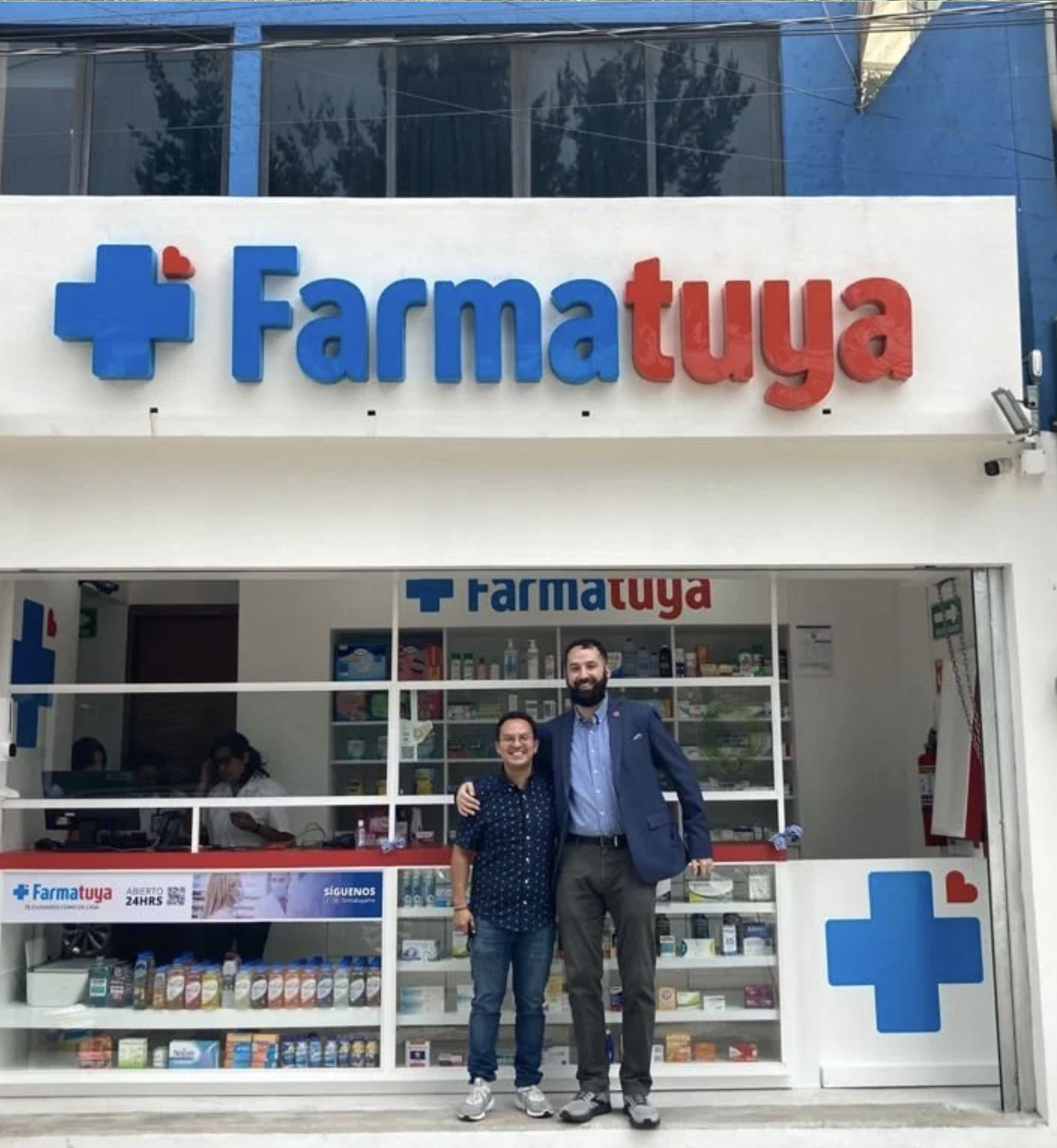
The inspiration for Formatuya Farmacia was born from a pivotal realization: that traditional charity, while well-intentioned, often lacks the structural longevity required to solve systemic health crises. After founding a library project in South Sudan, Kevin Lenahan experienced the "financial pressure" of constant fundraising, which catalyzed a shift toward for-profit ventures that could sustain themselves while delivering social impact.
The specific spark for the pharmacy model came from a deep personal encounter with the "affordability gap" in Mexico. Lenahan recalls an employee who was forced to make a devastating sacrifice: "One of my employees... had to sell his television just so he could afford his daughter’s medication." This moment highlighted a paradox; those working within the healthcare supply chain were often the ones most excluded from it. This human struggle, combined with the fact that his partner’s father had founded Mexico's version of the FDA–Cofepris–to fight counterfeit drugs, provided the moral and technical blueprint for the business.
Lenahan’s inspiration was also rooted in a desire to move beyond "band-aid" solutions toward building a "virtuous cycle." He realized that by creating a model where community trust and well-being are treated as primary business assets, a company could thrive by solving the very problems that make environments unstable. This transition from the military and non-profit sectors to social entrepreneurship was driven by the belief that access to medicine is a fundamental pillar of a stable society, stating that providing these therapeutics is what ultimately "keeps families together."
The overall impact of Formatuya Farmacia has been both immediate and generational, transforming how healthcare is delivered in the urban and suburban landscapes of Mexico City. In the short term, the innovation addressed a critical crisis of trust and safety. By establishing a supply chain rooted in the regulatory expertise of the former head of Cofepris, the venture successfully displaced high-risk, counterfeit medications with verified, high-quality therapeutics. For the communities served by the initial 56 locations, this meant that the simple act of buying medicine no longer carried the risk of toxicity or treatment failure, providing immediate relief and health stability to thousands of families.
In the long term, the innovation’s impact shifted toward preventative care and economic empowerment. The introduction of free breast cancer screenings provided a diagnostic safety net for women who previously lacked the financial means or local access to such services. Evidence of this impact is seen in the venture's rapid scaling–growing from 4 to 56 locations in just four years–demonstrating a massive community demand for reliable, affordable care. Furthermore, the franchise model created a "virtuous cycle" of local entrepreneurship, allowing dozens of individuals to own and operate businesses that were directly tied to the health of their neighbors.
The most profound evidence of impact, however, was recorded at the individual level through the closing of the "affordability gap." As Kevin Lenahan noted during his interview, the success of the model was measured by ensuring that even those working at the lowest levels of the economic ladder no longer had to choose between their possessions and their children's health. By stabilizing the cost of medicine and providing free preventative diagnostics, Formatuya didn't just sell products; it extended the "healthspan" of the community and proved that a for-profit franchise can serve as a primary vehicle for public health.
The innovation of the socially conscious franchise model benefited Formatuya Farmacia by transforming a high-risk market into a stable, scalable, and highly competitive business environment. Because the business integrated regulatory expertise with community health services, it was able to open a new market in Mexico City that was previously dominated by fragmented independent pharmacies and unsafe counterfeit goods. This strategic positioning allowed the firm to scale rapidly from just 4 pilot stores to 56 active locations in only four years, demonstrating a robust revenue model driven by the high demand for trusted healthcare.
Because the business prioritized a safe, verified supply chain, it created a unique "quality moat" that protected its brand and attracted both franchisees and customers who were wary of the black market. This reputation for integrity not only drove sales but also opened new investment and expansion opportunities, as the model proved it could maintain high standards while operating at a large scale. The franchise structure itself acted as a powerful engine for growth, allowing the company to expand its footprint and increase market share without the massive capital expenditure required for corporately owned stores.
Furthermore, the innovation significantly enhanced employee wellbeing and retention. By acknowledging and addressing the "affordability gap" for its own staff–ensuring that the people selling the medicine could actually afford to use the company fostered deep internal loyalty. Because the business provided free screenings and discounted therapeutics for its workers and their families, it reduced the financial stressors that often lead to high turnover in the retail sector. Ultimately, these "good things" happened because the company realized that a healthy, loyal workforce and a trusted brand are the most valuable assets in a sustainable social enterprise.
The innovation of Formatuya Farmacia has significantly benefited society in Mexico City by dismantling the barriers to essential healthcare, specifically addressing the "affordability gap" that often forces low-income families into impossible financial positions. By establishing a network of 56 pharmacies that provide verified, high-quality small-molecule medications, the venture successfully mitigated the life-threatening risks associated with the region's rampant counterfeit drug market. This provided immediate social stability, ensuring that when a parent purchased antibiotics or pain management medication, they were receiving safe, effective treatment rather than a dangerous or inert imitation.
Beyond safe medication, the innovation significantly improved long-term public health outcomes through the integration of free preventative services. The provision of free breast cancer screenings served as a critical intervention for women in underserved communities who otherwise lacked access to early diagnostic tools. This proactive approach to health helps shift the societal burden from expensive, late-stage emergency care to manageable, early-stage prevention. By extending the "health-span" of the local population, the business model proved that commercial enterprises can function as vital social safety nets.
Furthermore, the franchise model fostered a culture of local economic resilience and community trust. Because the innovation relied on local entrepreneurs to own and operate these pharmacies, it created dozens of stable jobs and business ownership opportunities within the very neighborhoods the pharmacies served. This localized approach aligned the business’s success with the community's well-being, creating a "virtuous cycle" where health improvements and economic growth reinforced one another. Ultimately, the innovation demonstrated that a scalable business could treat healthcare as a fundamental human right, keeping families together by ensuring they no longer had to choose between their livelihoods and their lives.
Get stories of positive business innovations from around the world delivered right to your inbox.
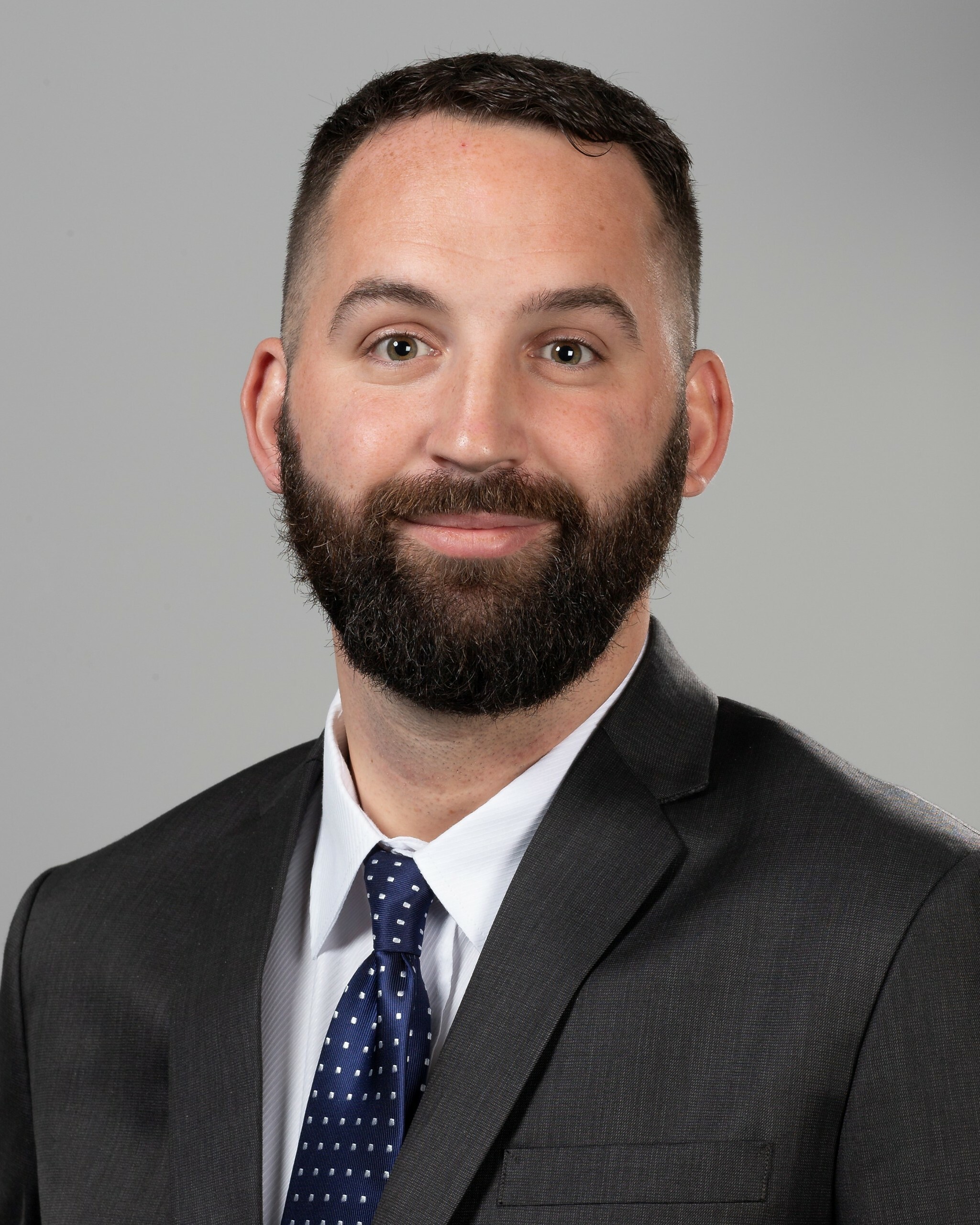
Kevin Lenahan, Weatherhead School of Management Program Director, Specialty Masters

Farmatuya Farmacia is a pharmacy franchise venture based in Mexico City that focuses on expanding access to affordable, high-quality healthcare in urban and underserved areas. By leveraging a scalable business model, the company provides a reliable supply chain for essential small-molecule medications while combating the local prevalence of counterfeit drugs. In addition to retail pharmacy services, the firm integrates community health initiatives, such as free screenings and preventative care, to improve the long-term well-being of its customers and employees.