

João Nuno Calado Saraiva
James Angelo Gonzal
Sue Min
Narien Darden
Cecilia Bright
Lydia Florence Awino

Universidad de Navarra

Kenyatta University

Dominican University

Isabel Rodriguez Tejedo
Mary Ragui

Anjali Chaudhry


Keep this story going! Share below!
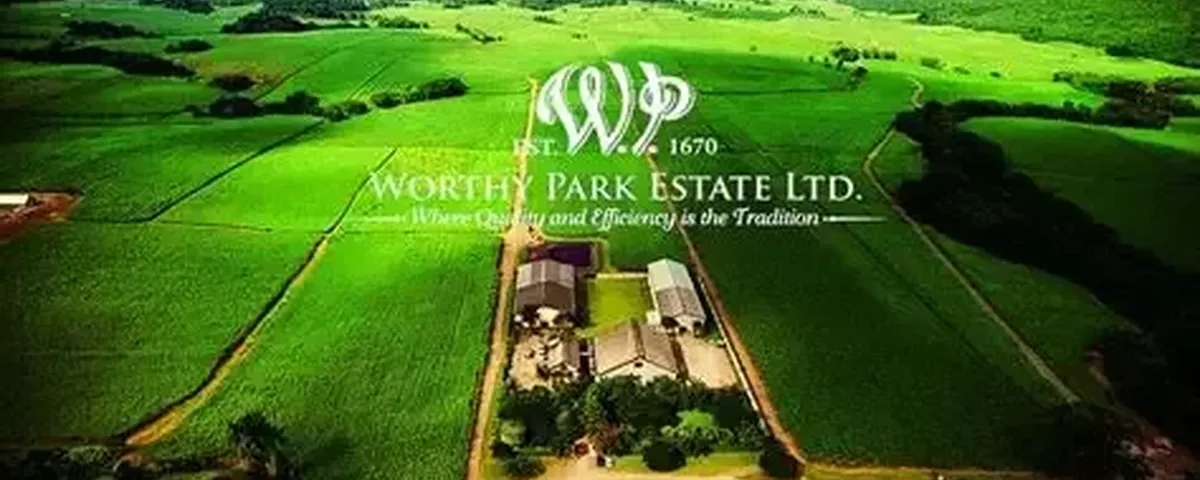
Worthy Park Estate has transformed traditional sugar and rum production into a model of sustainable agriculture and renewable energy. Through innovations in waste reduction, renewable biomass energy, and circular production, the company minimizes its environmental impact while promoting economic sustainability in rural Jamaica. As Robert told us, “We see sustainability not as a trend, but as a responsibility, every drop of rum we make should help preserve the land that makes it possible.”
WPE has implemented a fully circular production system where every by-product of sugarcane is repurposed. The fibrous residue, known as bagasse, is used as biofuel to power the estate’s boilers and generate clean electricity for its operations. As Robert said “We are energy self-sufficient,”. “Our boilers run on what we grow, we are getting less dependent from fossil fuels with the implementation of solar energy but of course we must reserve it in case its needed.”
The company also uses molasses from sugar production as the raw material for its rums, ensuring that no part of the sugarcane goes to waste. Beyond production, Worthy Park invests in reforestation, soil health, and community development projects that benefit local farmers and residents. These actions not only lower emissions and protect natural resources but also create a model for rural resilience and green growth. “Our innovation isn’t about new machines, it’s about finding smarter, more sustainable ways to keep a 350 year old legacy alive for future generations.”
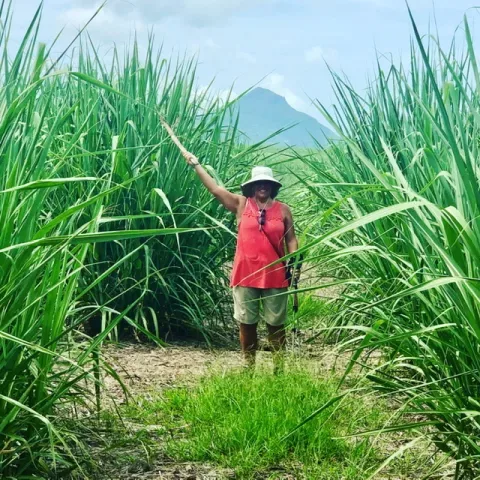
The drive behind Worthy Park Estate’s sustainability innovations stems from a deep respect for Jamaica’s natural environment. Robert explained that the leadership team recognized the need to evolve while keeping preservation of tradition, “We’ve been producing sugar and rum since 1670, but we can’t keep doing things the same way if we want to last another 350 years.” This awareness inspired a commitment to integrate modern, eco-friendly practices without losing the authenticity that defines their brand.
He also shared that climate change and fluctuating energy costs were major catalysts for change. “We saw firsthand how rising fuel prices and unpredictable weather were affecting our operations and our farmers. That’s when we knew sustainability wasn’t just good PR for us, it was also efficient.” This realization pushed Worthy Park to explore renewable energy through the use of bagasse, invest in more efficient production technologies, and adopt responsible land management strategies.
The innovation was driven by a belief that progress should strengthen both people and the planet. “Our goal isn’t just to make great rum, it’s to leave behind a stronger community and a cleaner environment. We’re caretakers of this land, that’s what truly inspires us.” Us as a group, understood that this vision continues to guide the company sustainable evolution and their innovations.
The impact of Worthy Park Estate’s sustainability initiatives has been both measurable and meaningful across economic, environmental, and social dimensions. In the short term, the company has achieved energy self-sufficiency by using bagasse as biofuel to power its boilers, reducing dependence on imported fossil fuels and cutting carbon emissions significantly. Robert explained, “Every ton of bagasse we burn for energy means less oil we need to buy and fewer emissions in the air, it’s a win for both the business and the environment.”
In the longer term, these innovations have strengthened Jamaica’s rural economy and improved community resilience. By maximizing local resources, Worthy Park creates steady employment and supports surrounding farmers who depend on the sugarcane industry. The company's sustainable production cycle has also attracted international recognition for its rums, expanding export opportunities while showcasing Jamaica’s potential for green manufacturing leadership.
Beyond business growth, Worthy Park’s approach has fostered a culture of environmental responsibility. “We’ve seen our employees and farmers start thinking differently, they’re proud to be part of something sustainable,”. This cultural shift, combined with the tangible reduction in waste and emissions, represents lasting impact. The innovations at Worthy Park Estate demonstrate how traditional industries can adapt to modern challenges while contributing directly to UN Sustainable Development Goals for clean energy, climate action, and responsible production.
Worthy Park Estate’s sustainability innovations have generated both financial and operational advantages, positioning the company as a model for resilience in Jamaica’s rum and sugar industries. By utilizing bagasse to produce renewable energy, the estate has drastically reduced its fuel costs and achieved energy independence. Robert shared, “Before, energy was one of our biggest expenses. Now, our boilers run on the by-product of our own cane, what used to be waste now powers our entire operation.” This shift not only improved efficiency but also stabilized production costs amid fluctuating oil prices.
Beyond cost savings, the company’s focus on sustainability has strengthened its brand reputation and market reach. Worthy Park’s eco-conscious production methods have helped its rum portfolio gain traction in international markets, particularly in Europe and North America, where consumers value environmentally responsible products. Robert noted, “Our customers love knowing that our rums are made using clean energy, it’s become part of our story and our identity.” The innovation has also enhanced employee morale and retention, as workers take pride in contributing to an environmentally responsible enterprise. As Robert put it, “When employees see their work making a positive difference, it builds loyalty and motivation, that’s priceless for any business.”
The benefits of Worthy Park Estate’s innovations extend far beyond business operations, positively impacting both the local community and Jamaica’s environment. Through its renewable energy system, the estate has significantly reduced carbon emissions while maintaining energy self-sufficiency. “Every bit of clean energy we generate means less reliance on imported oil and less pollution in our atmosphere,”. The use of bagasse as biofuel has not only lowered waste but also set an example for circular production models across Jamaica’s agricultural sector.
Socially, the company plays a vital role in supporting the surrounding rural community. Its sustainability initiatives have created stable employment opportunities and inspired smaller farmers to adopt similar eco-friendly practices. Worthy Park also invests in community programs focusing on education, reforestation, and infrastructure improvements in Lluidas Vale. “We don’t see sustainability as just an internal goal, it’s about improving the quality of life for everyone connected to our operations, from our workers to their families and our wider community.”
Long term, these initiatives contribute directly to Jamaica’s progress toward the UN Sustainable Development Goals, particularly clean energy (SDG 7), responsible consumption (SDG 12), and climate action (SDG 13). Worthy Park Estate’s integrated approach proves that a company rooted in tradition can drive modern solutions for a more sustainable and inclusive future.
Get stories of positive business innovations from around the world delivered right to your inbox.
Robert Peter Tillet, General Maneger

Established in 1670, the company is a fully integrated operation that cultivates sugarcane, manufactures raw sugar and molasses, and distils Jamaican rums. Combining centuries of tradition with modern technology, Worthy Park is dedicated to quality, sustainability, and community development, proudly showcasing Jamaica’s heritage through every product it creates.