

Jey Aitken
Fadhil Syahputra
Ben Grobosch
Suyu Wang
Kai Ogawa

IPMI International Business School

University of Glasgow

Universidad de Navarra

Amelia Naim Indrajaya

Isabel Rodriguez Tejedo

Paul Quigley


Keep this story going! Share below!
Ogawa Farm’s innovation is a social model that revitalizes rural Japan by connecting high-quality local produce from Fukuoka with urban consumers in Tokyo. It empowers socially isolated people through fair employment, and also reduces food waste by selling imperfect produce. This approach directly contributes to SDG 10(Reduced Inequalities), SDG 3(Good Health and Well-being), and SDG 12(Responsible Consumption and Production).
This innovation, launched in 2015, tackles rural decay and social isolation simultaneously. Founder Mitsuyoshi Ogawa and his wife Eiko actively recruits and employs marginalized populations, including local elderly residents, women, and people facing social withdrawal(hikikomori)or disabilities. This fulfills a key social mission linked to SDG 10(Reduced Inequalities). Instead of traditional employment, the farm functions as a form of occupational therapy. Eiko, a “Inochi no Denwa”(suicide hotline) counselor, uses her network to invite participants, providing them with transport and hands-on training. This supportive, communal environment where participants regain self-worth directly contributes to SDG 3(Good Health and Well-being).
Environmentally, the innovation addresses SDG 12(Responsible Consumption and Production) in two ways. First, the farm limits chemical fertilizers, relying on compost to restore the soil. Secondly, it tackles food waste by “rescuing” produce with harmless blemishes (a result of low pesticide use). Rather than discarding this fruit, they sell it at a discount with a clear sticker explaining why it looks different, educating consumers that quality is not skin deep.The entire system is enabled by SDG 17(Partnerships), relying on a trusted salt supplier for its core product and building relationships with local government(the Yame City mayor) to promote its mission.
After retiring from his job as a town mayor in Kurogi, Japan, Mitsuyoshi Ogawa saw the land where locals used to grow crops was falling into desolation. Then he noticed that many elderly people were just playing without a clear role in the village, and thought that he could make effective use of both the land and the people by leveraging his knowledge and the connections he had built as mayor.
His wife, Eiko Ogawa also deeped this vision. She works as a volunteer counselor for “Inochi no Denwa”(a suicide prevention hotline), which brought a unique social purpose to the project. She uses her network to invite people facing not only physical disabilities but also psychological illnesses, such as social withdrawal (hikikomori) or school non-attendance, to the farm.This is not just labor, but it is a form of occupational therapy. As one participant shared, hearing a customer say the umeboshi (pickled plum) they made was delicious gave them a sense of self-worth and a feeling that they are a member of society.
Mitsuyoshi said that through this work,he “feels a sense of purpose”, and “the feeling of being useful to society”, a passion that continues to drive their innovation.
The project is to solve social problems through business. Though these “social benefits” may not be seen in their cash profits, they can feed back to the long-term of their project (such as policy, brand).
Distribution ratio: Operator(Ogawa family)takes only 20% of the income, the remaining 80% goes to the producers (like local farmers)and workers(mostly women, elderly, people with disabilities).
This model overcomes the shortcoming of traditional business “profit for a few” and gives participants, especially the disadvantaged groups, direct economic benefits(increase income), which enhances their motivation to participate in the long term, and then the source of workers and raw materials of the production will be guaranteed. The whole flow will be sustained over time, forming a good circle: “economic incentives→ continuous participation→ supply chain stability→ revenue guarantee”.
In addition, it’s a good solution to global aging. This project is powerfully led by the elderly. It converts the old people from passive recipients of care into active promoters of local revitalization. When the whole world is getting older, this project is an excellent example that an aging population is not a burden, but a core resource for sustainable local development.
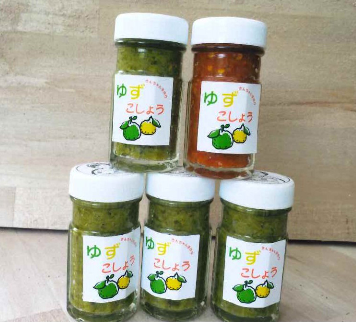
Their social mission is hands-on and practical. With Eiko Ogawa’s contacts from the “Inochi no Denwa” support hotline, they invite people who’ve felt sidelined,those with disabilities, school non-attendance, or social withdrawal (hikikomori). But also elderly people who are lacking a purpose in society are welcomed at the farm. They pick participants up from Fukuoka Airport, teach by doing, and let the simple therapy of shared work rebuild confidence. One participant who made umeboshi(pickled plums) in summer returned in winter to craft yuzu pepper because he was hearing Tokyo customers praise “their” pickles. This sparked a strong sense of self-worth and a feeling of belonging:(SDGs 3, 4, 10).
For responsible consumption (SDG 12), they limit chemical fertilizers, lean on compost, and “rescue” fruit with harmless blemishes. Instead of waste, those plums get a candid sticker explaining the look and a discount so consumers learn that beauty isn’t the same as quality. The result: growing demand, frequent sellouts in Tokyo, and a deeper public appreciation for natural food.
Partnerships anchor everything (SDG 17): a trusted, long-term salt supplier shapes the signature flavor of their plums: Additionally the new Yame mayor visited their Tokyo booth and granted use of the official city banner. This is symbolic oxygen for a rural project proving that inclusion, quality, and honest storytelling can move markets.
Get stories of positive business innovations from around the world delivered right to your inbox.
Mitsuyoshi Ogawa, Founder
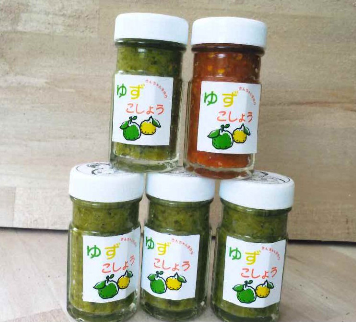
Ogawa Farm is a social enterprise founded in 2015 in Yame City, Fukuoka, Japan. It produces and sells traditional Japanese health foods such as umeboshi(pickled plums) and other regional agricultural products from Yame city in Fukuoka Prefecture, Japan. Established in 2015, it connects local farmers and producers with urban consumers in Tokyo through seasonal food markets. It aims to preserve local farming traditions while promoting healthy, sustainable food culture.