

Javier Jalandoni

Universidad de Navarra

Isabel Rodriguez Tejedo


Keep this story going! Share below!
Retaso aligns with Sustainable Development Goals (SDG) 8, 12, and 14 — decent work and economic growth, responsible consumption and production, and life below water. By upcycling textile and plastic waste into everyday bags through a circular model, Retaso reduces the materials from entering our waterways by collecting from the communities around them, designing with waste. They also achieve this by empowering local seamstresses with green job opportunities, directly collaborating with local craftsmanship and innovation.
Retaso’s innovation is displayed in its approach to upcycling waste into a functional product while keeping it stylish for everyday use and supporting the seamstress community with fair labor practices and wages. Retaso also provides an upcycling packaging service, working with other online fashion brands to further promote sustainable fashion—not just for themselves, but also setting the new standard in the market for their competitors, indirectly helping their competitors be more sustainable.
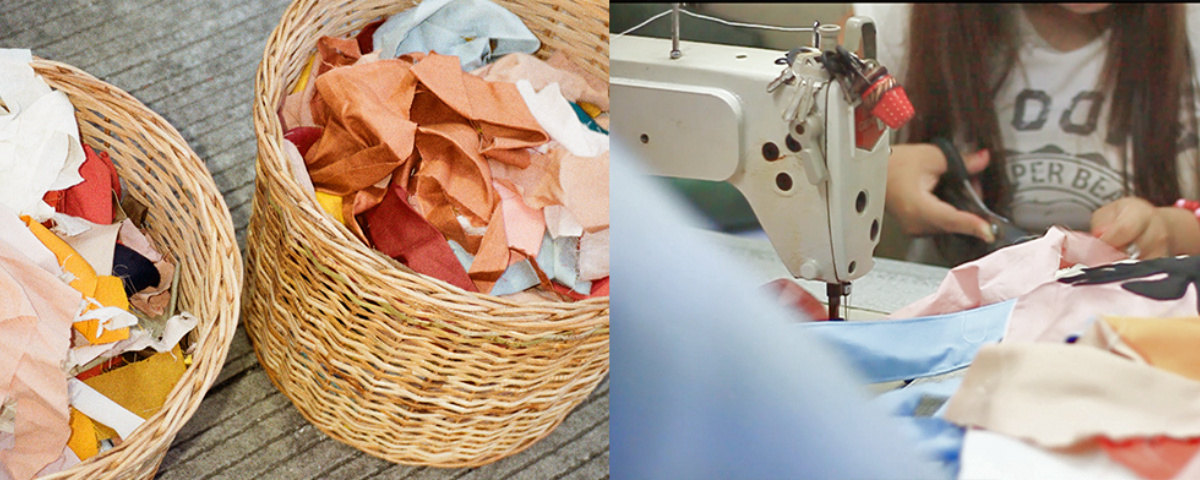
Retaso addresses the increasing problem of textile and plastic waste, due to the current fast fashion industry, by using discarded materials in everyday bags. Retaso sources scrap fabric and plastic from local businesses and community members, ensuring that waste is not sent to landfills and waterways, making use of what was seen as trash to others. This aligns directly with SDG 12—Responsible Consumption and Production—promoting a circular fashion industry.
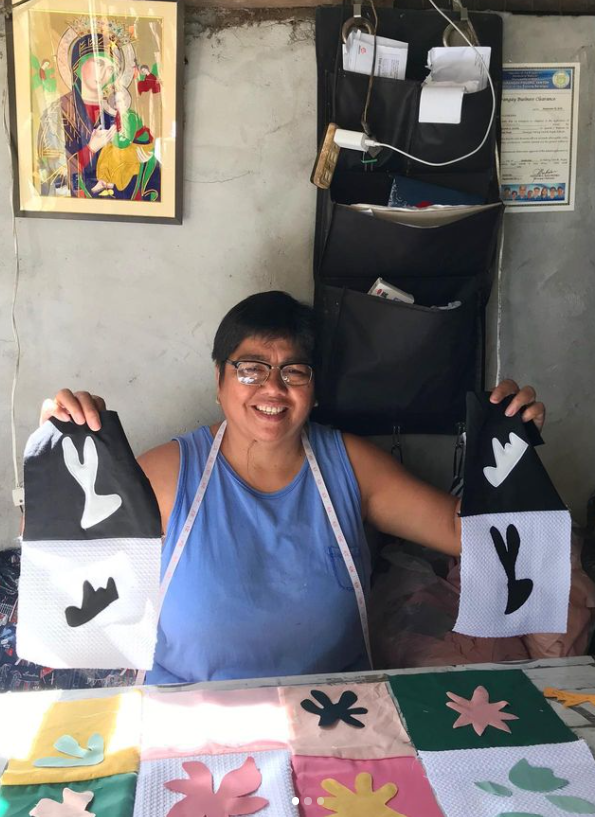
By providing local seamstresses with fair and meaningful employment, also by teaching them business practices to fix their pricing and approach to selling their service, the business tackles SDG 8—Decent Work and Economic Growth. The seamstresses, who were heavily impacted by job losses during the pandemic, are now the heart of the Retaso team and are the main collaborators on product development. This creates economic growth in local communities while upholding ethical labor practices. Retaso’s manufacturing process uses local community craftsmanship and cultural techniques (weaving, quilting, and embroidering) to create new products with recycled materials. The community seamstresses play a crucial role, utilizing their skills with innovative ideas to create sustainable designs.
Additionally, Retaso’s efforts contribute to SDG 14—Life Below Water—by preventing waste materials from reaching and harming the ocean. With a large portion of pollution in the ocean being from textile waste, collecting and upcycling textile and plastic waste, Retaso reduces pollution in waterways, in cities like Pasig and Caloocan.
Through innovative design, ethical labor practices, and environmental consciousness, Retaso creates a better future for both the community and the environment.
Isabella and her sister Natasha were inspired by a deep concern for the environment and a desire to create positive change through fashion. They desire to support local communities and teach sustainable practices to others, capturing their vision for Retaso in Isabella’s words: “It takes a village to create change for the benefit of our environment, and we will continue empowering the community to redesign waste until circularity becomes normal”. Living in the Philippines, an archipelago affected by ocean pollution, largely due to the fashion industry. Isabella’s research revealed the fashion industry’s massive contribution of textile waste. This pushed them to explore upcycling as a key component of the brand, taking what would be seen as trash and turning it into something beautiful. Going against the current trend of “fast fashion,” they focus on “slow fashion,” which is more sustainable and emphasizes craftsmanship and traditional, cultural work. As Isabella said, “Slow fashion takes a long time to do, but the end is always worth it when you achieve a small part of the solution you’ve been building, benefitting everyone in the process.”
Isabella shared that their connection to the local community was a driving force behind their motivation: “Our environment and the seamstress community we work together with. Providing the people and spaces that provide for us with better and greener futures.” She also expressed the joy of “seeing our seamstress team happily employed, enjoying thinking of new ways to improve the product, seeing the prototypes for the first time, and iterating with our design team,” highlighting the business's priority of not only reducing waste but also spreading awareness and supporting the economy and community.
The pandemic also highlighted key problems that Retaso wanted to fix immediately: “During lockdowns, the surge of online shopping made plastic waste even more visible. We saw it piling up at doorsteps, knowing most of it would end up in the trash. That’s when the idea of incorporating plastic waste into our designs really took shape.” These motivations highlight Isabella’s vision for a future where fashion, community, and sustainability are intertwined. All this allowed Isabella to promote her belief in circular fashion and her goal to make it the norm.
The overall impact of Retaso’s innovation has been significant, with long-term effects on the environment, the community, and the business itself. In the short term, through the Peñablanca collection, Retaso’s mission in upcycling waste materials reduced pollution by diverting over 21,600 plastic bags and 516 yards of textile waste from landfills and waterways from just a single collection. Their success is shown in their new collection, which sold out quickly after launch, displaying the market demand for sustainable and stylish alternatives. Retaso transforms materials usually seen as trash into stylish and functional products.
In the long term, Retaso’s innovation utilizes sustainable practices and positively impacts the local community. The company has provided employment and developed strong relationships with seamstresses and embroiderers in Pasig, Caloocan, and Bulacan, offering them a source of income with fair wages, teaching them how to price their services fairly, and providing opportunities to grow their skills. By working with these seamstresses, Retaso has also empowered them to take on leadership roles within the design and production process, leading to improved employee retention and a positive work environment and more creative freedom. Many talented workers in various communities face the issue of not knowing how to price their products fairly since they have focused solely on their craft and did not have the privilege of education to learn this, causing them to sell their service at a low price, undervaluing themselves. Retaso helps with the pricing strategy for their other clients, making sure they are paid what they deserve, and an additional percentage to ensure they are compensated, further strengthening relationships
Retaso’s innovation has also inspired other local businesses and communities to rethink waste management. Through workshops and awareness campaigns, Retaso continues to promote responsible consumption and production, encouraging them to view waste as a resource instead of just disposing of it. Not only focusing on themselves, but they have also created partnerships with brands interested in sustainable packaging solutions, like BlackBough Swim, Rajo Laurel, and Penny Pairs, increasing consumer awareness, reducing waste, and promoting sustainable practices in other businesses. Consistently aligning its efforts with the SDGs, Retaso is committed to promoting sustainable practices in a world driven by consumerism and overconsumption.
Retaso’s approach to upcycling textiles and plastic waste into sustainable bags has driven significant business growth. Retaso created a niche market for eco-conscious consumers at a time when eco-friendly products were becoming popular. This differentiation has led to increased sales, as the company relates to customers seeking alternatives to fast fashion and opting for “Slow Fashion”. Because of this strong market demand, Retaso has been able to invest in expanding its product lines and creating new collections also employs other seamstresses from different communities like Caloocan and Pasig, which further boosts sales, and customer loyalty and helps multiple communities.
This innovation has positively impacted employee well-being and retention at Retaso. During the pandemic, Retaso provided stable employment to local seamstresses who had lost their previous jobs, offering security in a challenging time. By giving the seamstresses, a bigger role and valuing input from them, Retaso allowed for an inclusive work environment where each team member’s ideas and input were valued. Not only prioritizing sustainable growth but also ensures the true artists behind the products are recognized and well-supported. The focus on purpose and not only profit highlights Retaso's dedication to building a community-centered brand, recognizing the importance of traditional practice and intricate craftsmanship. "Seeing the joy and pride of our seamstress team in creating something meaningful has been one of the most rewarding aspects of this journey," shared Isabella.
Furthermore, Retaso’s commitment to sustainability gained partnerships and investments. The company has collaborated with local businesses to source waste materials and partnered with brands interested in eco-friendly packaging solutions, like Black Bough and Penny Pairs. This network of collaborations diversifies Retaso’s revenue streams and strengthens its presence in the circular and sustainable fashion Market. Investors and partners who share Retaso’s mission of following SDGs and improving the environment and community further fuel its growth and impact.
Retaso’s innovation of upcycling textile and plastic waste directly benefits communities and the environment by addressing issues such as waste management, pollution, and moral business practices. Collecting discarded materials from local communities and transforming them into functional bags, Retaso also reduces the amount of plastic and textile waste that ends up in landfills and waterways diverting over 21,600 plastic bags and 516 yards of textile waste just from the Peñablanca Collection.
Retaso’s model empowers local seamstresses, primarily young women, by providing them with sustainable employment opportunities. Many of the seamstresses and embroiderers faced job losses during the pandemic, and Retaso’s commitment to fair labor practices has helped them regain financial stability and independence. Retaso bases their payment structure on how the seamstresses’ price their service Retaso would evaluate it to see if it is comparable to industry standard and they would also pay a percentage over since it is quality work.
Retaso’s methods serve as a model for other businesses and communities, promoting sustainability, fair business practices, and circular practices. Hosting workshops, engaging in awareness campaigns, and working with companies like Rajo Laurel, jewelry brand Penny Pairs, and a Swimsuit brand Black Bough, not only focusing on themselves but also promoting this in other businesses. This creates a ripple effect, inspiring others to adopt more sustainable practices and promote Circular Fashion. Ultimately, Retaso shows us that social responsibility and environmental awareness can go hand in hand, paving the way for a more sustainable future.
Get stories of positive business innovations from around the world delivered right to your inbox.
Isabella Tanjutco, Co-founder
Isabella Tanjutco, Co-founder
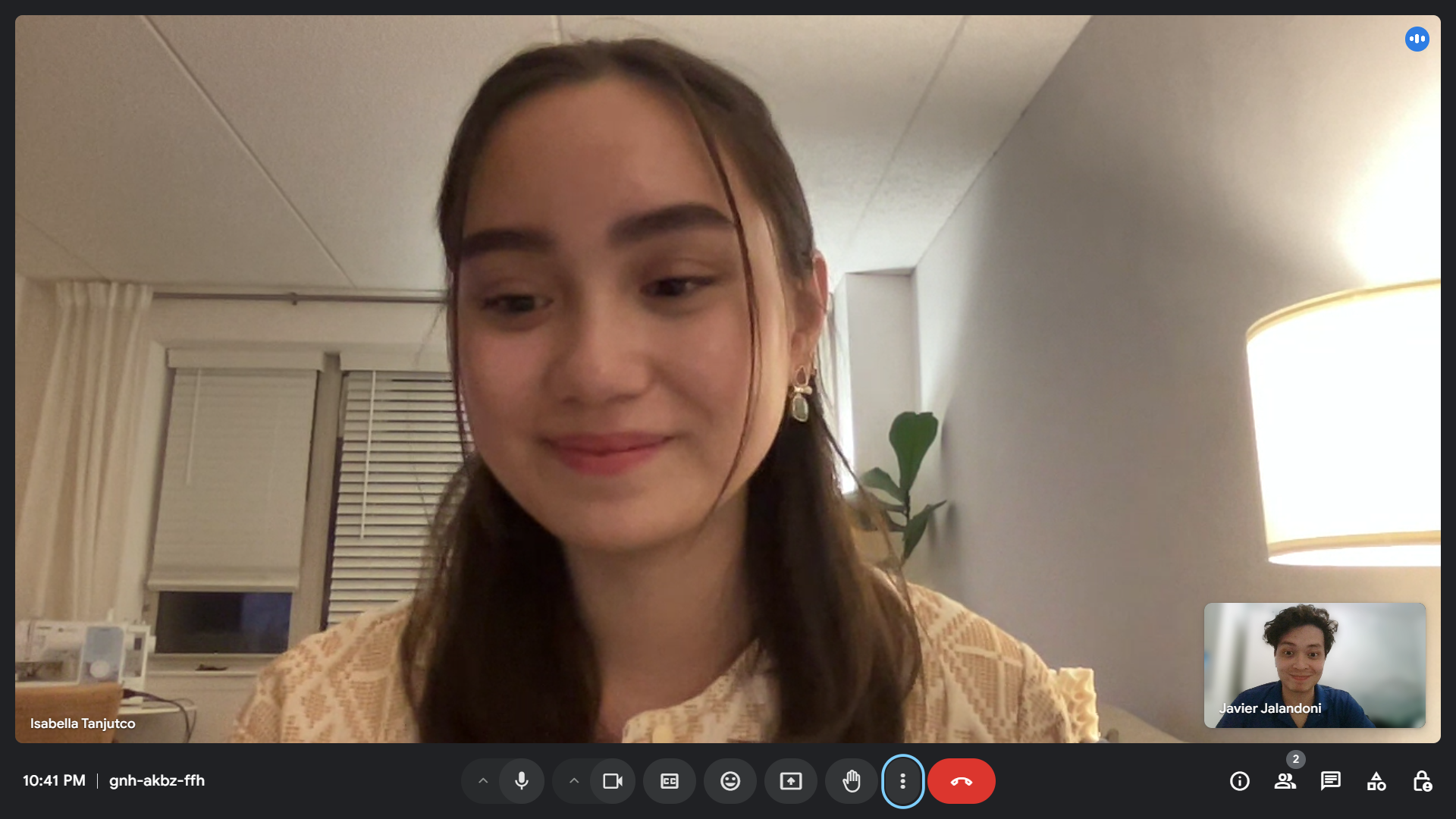

Retaso is a social & environmental enterprise that weaves solutions for material waste through regenerative design. Retaso translates to remnants of fabric in Filipino, creates products constructed using scrap fabric and plastic donated by local businesses, refined and handcrafted by a group of seamstresses in Pasig, Caloocan, and Bulacan, and led by young women.