

Xabier Ilarraz Calatrava
Karin Bugalova
Kalash Patel
Farah Dinna Rahadatul Aisy
Alba Quintana
Amalia Citra Nuzaira

Universidad de Navarra

University Of South Wales

IPMI International Business School

Isabel Rodriguez Tejedo

Amelia Naim Indrajaya

Liam Newton


Keep this story going! Share below!
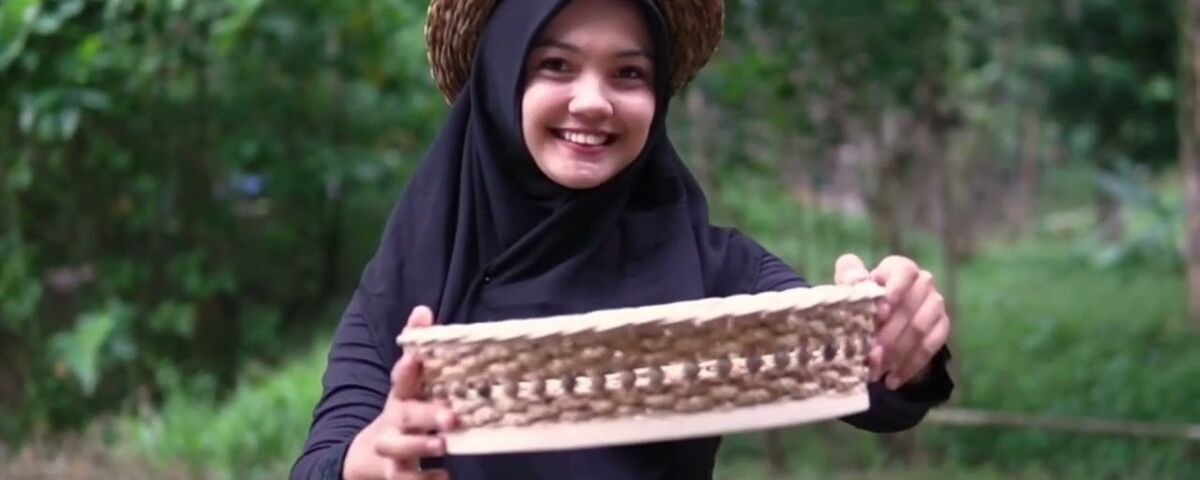
Bumi Kreasi Jati Luhur is a social enterprise in Indonesia that transforms invasive water hyacinth plants from the Jatiluhur Reservoir into sustainable handcrafted products. By turning environmental waste into valuable goods, the business creates income opportunities for local women while helping restore the ecosystem. This innovation supports several UN Sustainable Development Goals, including Gender Equality (SDG 5), Decent Work and Economic Growth (SDG 8), and Climate Action (SDG 13).
The Jatiluhur Reservoir in West Java has long struggled with the overgrowth of water hyacinths. These plants spread rapidly, disrupting aquatic ecosystems, blocking sunlight, and reducing water quality. Traditionally, the government relied on heavy machinery to remove the plants, which was costly and temporary. Recognizing both the environmental problem and the economic challenges faced by local families, Bumi Kreasi introduced a circular-economy solution: harvesting, drying, processing, and weaving the water hyacinth into useful, marketable products.
The business engages mainly women from the surrounding community, many of whom are housewives seeking flexible income opportunities. At the beginning, very few had prior crafting experience. For this reason, Bumi Kreasi conducted structured three-month training sessions to teach weaving techniques and product development. Once the women acquired skills and confidence, they began producing bags, storage baskets, fashion accessories, and home décor items—all made from natural, biodegradable materials.
Unlike businesses that simply donate or recycle materials, Bumi Kreasi integrates sustainability directly into its business model. The water hyacinth is not only removed to restore the reservoir, but is given new economic value. The company also reinvests 10% of its profit into community development programs, creating a reinforcing cycle of empowerment and environmental care.
This innovation meaningfully contributes to SDG 8, as it establishes dignified, sustainable livelihoods, and SDG 13, as it reduces waste and promotes ecological balance.
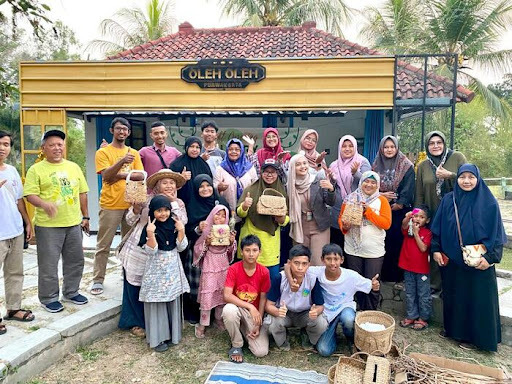
Bumi Kreasi Jatiluhur processes water hyacinth from the Jatiluhur Reservoir into crafts.
The inspiration for Bumi Kreasi emerged from a real environmental crisis rather than a business opportunity. The founder, Tanissa Puti Rahmadiva, lives near the reservoir and witnessed firsthand how the uncontrolled spread of water hyacinths was affecting both the ecosystem and the livelihoods of nearby communities. As she shared in the interview:
“This business was born from a real problem, not just an idea. We saw the environmental damage and how it affected the people. We wanted a solution that could create impact in both areas.”
Tanissa noticed that many women in the area struggled to find work that balanced household responsibilities. The idea of training and working collectively from home became a practical and empowering approach.
“We empower mostly women—housewives from the local community. It is important that they can have income while still taking care of their families,” she explained.
Additionally, the desire to build something long-lasting drove the project’s development. Tanissa emphasized the importance of consistency and courage in entrepreneurship:
“The key is just start. Don’t overthink. Take action, take risks, learn from mentors, and stay consistent.”
Over time, the project evolved from a small initiative into a legally registered enterprise in 2023. The vision remains grounded in social empowerment and environmental sustainability:
“Our vision is simple yet powerful: to empower the community and save the world.”
Social Impact: Bumi Kreasi has empowered at least 16 active local artisans and trained more than 500 individuals per year in weaving and craft skills. Many of these participants have transitioned from having limited income opportunities to earning consistent supplementary income. This improves household stability and enhances self-confidence and agency among women.
Environmental Impact: The harvesting and repurposing of water hyacinths helps restore the Jatiluhur Reservoir. Previously, removing the plants relied on heavy machinery and government interventions. Now, the community actively participates in controlling the plant spread while creating environmental stewardship.
Economic Impact: Through its craft production and online and offline sales, the business contributes to local economic growth. Bumi Kreasi has already exported products to Finland, generating sales of approximately 10 million Indonesian rupiah. The export market continues to expand, especially toward Europe and Australia, where sustainable handmade goods are in high demand.
In the long term, the innovation is expected to scale across regions in Indonesia facing similar ecological challenges. The model of “environmental restoration + community empowerment + sustainable craft production” can be replicated in many areas.
The innovation directly strengthens Bumi Kreasi’s business growth and sustainability. By using water hyacinth—an abundant and nearly cost-free material—the business keeps production costs low while maintaining high product value in domestic and international markets. The uniqueness of the material and the story behind it differentiates the brand, allowing it to reach environmentally conscious consumers.
Additionally, the collaborative training model fosters loyalty and high retention among artisans. Because the women directly benefit from the income they earn and take pride in their craftsmanship, the workforce is committed and stable. As the business expands into export markets, this consistency ensures quality and increases production capacity.
The business also diversifies revenue through workshops, exhibitions, and community training partnerships. Collaborations with researchers from the Bandung Institute of Technology (ITB) support product innovation, such as developing leather-like materials from water hyacinth fibers. These innovations enhance Bumi Kreasi’s competitive advantage and open doors to new product categories and global markets.
Overall, the innovation not only generates profit—it creates a brand identity rooted in sustainability, local empowerment, and creativity.
The innovation benefits society by promoting economic inclusion, particularly among women in rural communities. The training programs develop practical skills that increase confidence and expand employment opportunities. The income generated contributes directly to improving household well-being and education opportunities for children.
Environmentally, the innovation reduces the negative effects of water hyacinth overgrowth. Removing the plant helps improve water flow, oxygen circulation, and biodiversity within the reservoir. By transforming the plant into useful products, the waste problem becomes a resource, demonstrating a circular-economy model in action.
Furthermore, Bumi Kreasi fosters environmental awareness among the community. The work encourages sustainable thinking and inspires new generations to pursue eco-friendly entrepreneurship.
Get stories of positive business innovations from around the world delivered right to your inbox.
Tanissa Puti Rahmadiva, Founder & Director
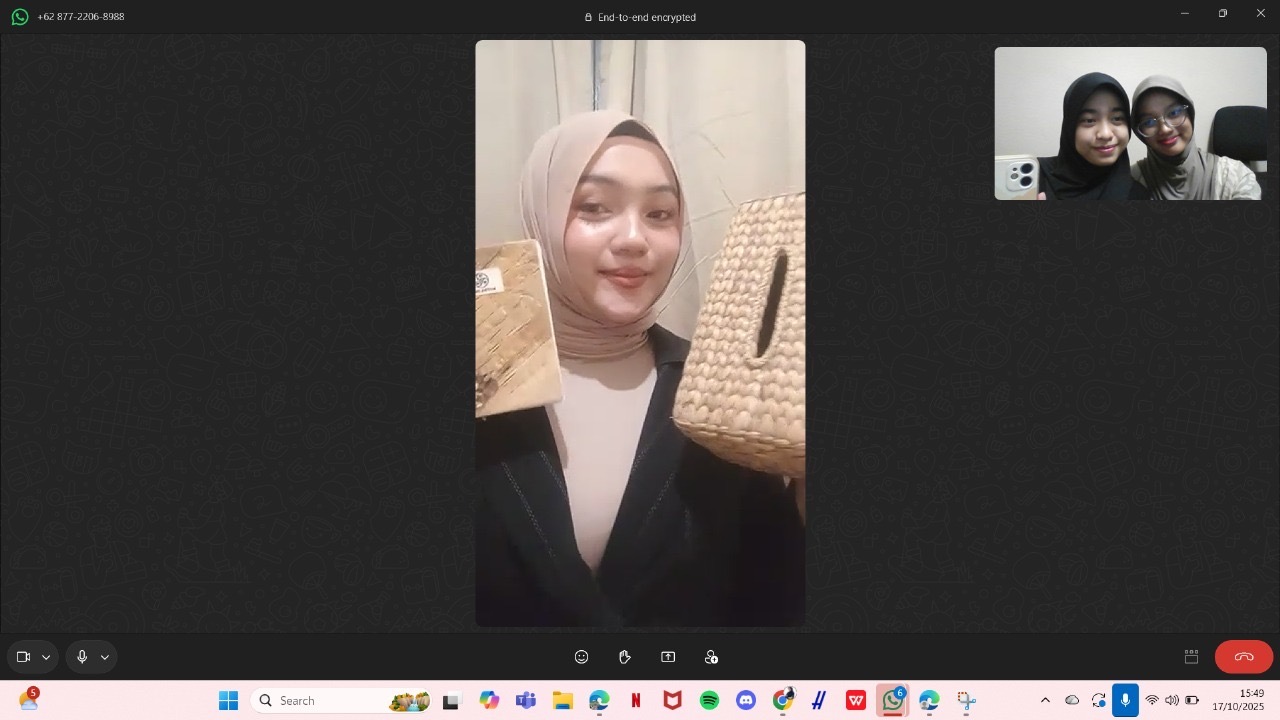
Bumi Kreasi Jati Luhur is a social enterprise based in Purwakarta, Indonesia, focused on transforming water hyacinth waste from the Jatiluhur Reservoir into sustainable handcrafted products. The business works closely with the local community, especially housewives, to provide training and income opportunities. By combining environmental recovery with economic empowerment, the business contributes to sustainable development and community well-being.