

Elizaveta Bogatskaia
Cut Azzahra Teuku Zuelkifara
Lenka Poloncová

Farhan Shahzad
Tasya Akil
Ezzeldean Bosh

Universidad de Navarra

IPMI International Business School

University of New South Wales

Liam Newton

Amelia Naim Indrajaya

Isabel Rodriguez Tejedo


Keep this story going! Share below!
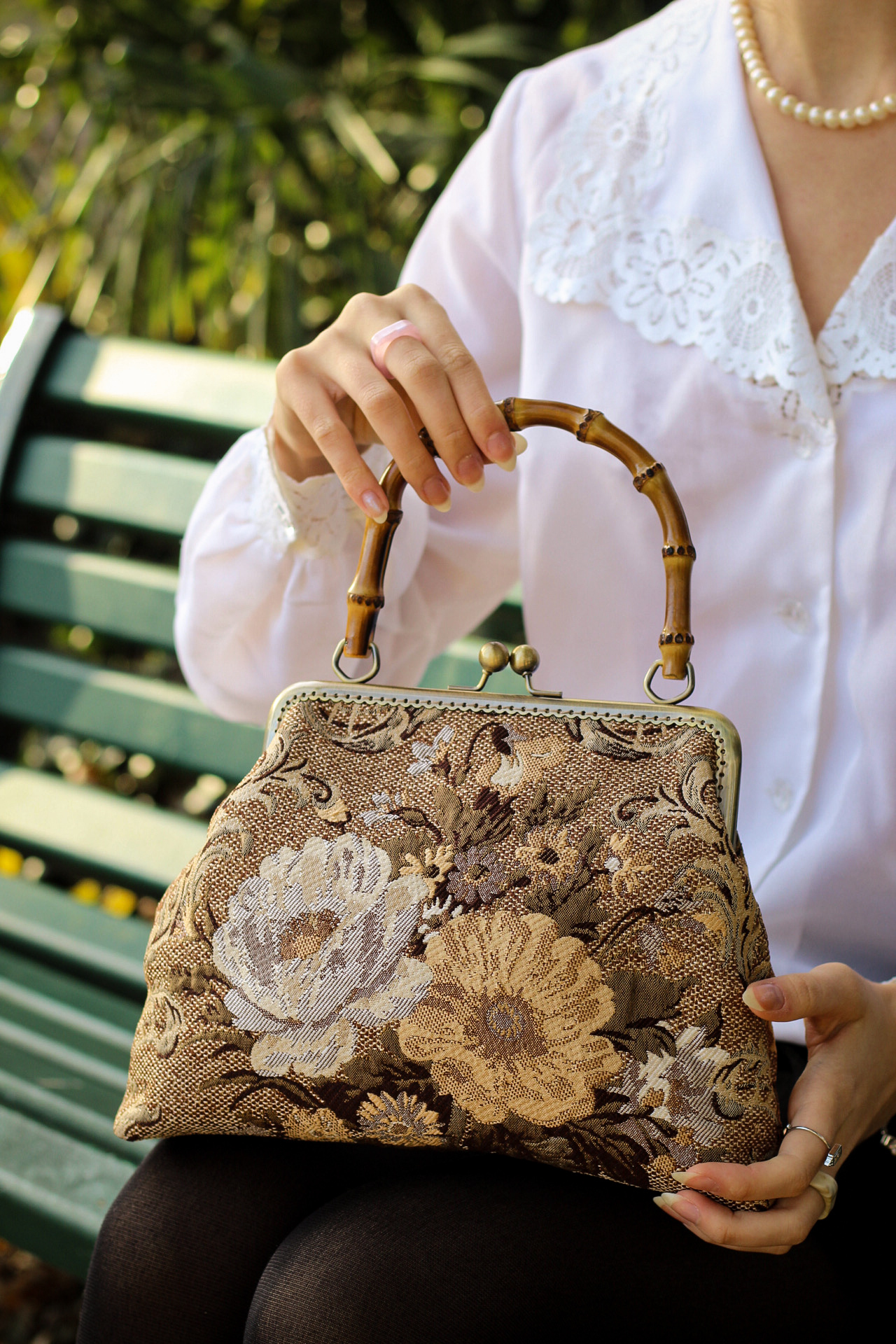
Shosholy was created to address the environmental waste of fast fashion while preserving traditional craftsmanship. The brand’s innovation lies in turning discarded household textiles — primarily old sofa covers and upholstery fabrics — into stylish, long-lasting accessories. Each item is entirely unique, hand-stitched by Elizaveta’s grandmother in Russia and managed by Elizaveta in France, blending the elegance of French creativity with the warmth of Russian artisanship.
The process begins with sourcing pre-loved materials destined for landfills. These fabrics, known for their strength and texture, are paired with bamboo accents — a renewable and biodegradable resource — symbolizing renewal and natural beauty. The production generates zero water waste and reuses every scrap of material, resulting in a 100% zero-waste design cycle.
As Elizaveta explains, “Shosholy became our way of showing that fashion can be slow, emotional, and sustainable — that every accessory can have a soul, not just a logo.”
This emotional craftsmanship differentiates Shosholy from fast fashion by emphasizing authenticity and storytelling over mass production. The brand’s approach aligns with UN SDG 12 (Responsible Consumption and Production), SDG 13 (Climate Action), and SDG 15 (Life on Land) by minimizing waste, reducing environmental impact, and promoting mindful consumption.
At its core, Shosholy gives new life to materials that would otherwise end up in landfills.The brand saves discarded sofa covers and upholstery fabrics, combining them with natural fibres to create durable, modern accessories with zero waste. Each design is one-of-a-kind, never repeated, and reflects the values of slow fashion and heritage.
“We wanted to show that fashion can be slow, emotional and sustainable — that every accessory can have a soul, not just a logo,” said Elizaveta Bogatskaia.
The idea for Shosholy was born from an intimate family moment. One afternoon, Elizaveta watched her grandmother carefully repair an old sofa cover — her hands moving slowly, lovingly, across the fabric. “It hit me that this material had lived so many stories,” Elizaveta recalled. “It didn’t deserve to be thrown away.” That small, emotional moment of repair sparked the creation of a business rooted in memory, sustainability, and artistry.
The intergenerational bond between Elizaveta and Natalia became the foundation of Shosholy. What began as an act of care evolved into a mission: to transform what others discard into objects of meaning and beauty. Together, they bridge generations — Elizaveta manages from France, and Natalia handcrafts each piece from Russia. Their collaboration is not only creative but symbolic — a blending of modern innovation and traditional skills.
This deep connection to heritage and emotion drives Shosholy’s philosophy. Rather than chasing trends, the brand celebrates the imperfections and character of reused materials. Every bag tells two stories: one of the fabric’s past life, and one of its renewal.
“Together,” Elizaveta said, “we blend tradition with modern design, showing that sustainability is not only about saving resources but also about saving meaning.”
In its first year of operating, Shosholy has already demonstrated measurable and emotional impact. The brand has upcycled over 5 kilograms of discarded textile material into 50 unique pieces, directly preventing these from ending up in landfills. Each product is crafted using zero water and produces no scrap waste — every offcut is reused in the design process. This small-scale yet powerful impact exemplifies how conscious craftsmanship can make sustainability tangible.
Beyond environmental results, Shosholy inspires a mindset shift among its customers. Elizaveta shared the story of a woman who received a Shosholy wallet as a gift and later wrote that it became her daily reminder to “slow down and choose with purpose.” Such stories highlight how the brand’s impact extends beyond materials — fostering emotional awareness and behavioral change in consumers.
The brand’s presence in two boutiques in Toulouse has also amplified awareness of sustainable fashion within the local community. By combining transparency, creativity, and emotion, Shosholy challenges consumers to see beauty in imperfection and value in longevity.
As Elizaveta puts it, “We’re a small brand, but every stitch counts.” This ethos demonstrates that meaningful environmental and social change can begin with mindful design and heartfelt intention.
For Shosholy, sustainability is not just a marketing tool — it is the foundation of the business. The brand’s commitment to upcycling and emotional craftsmanship has built strong customer loyalty and trust. Each handmade piece is unique, creating a deep sense of personal connection that turns first-time buyers into long-term supporters. As Elizaveta said, “Each item’s uniqueness created a sense of emotional ownership — turning first-time buyers into long-term supporters.”
This human-centered approach has also led to tangible business growth. Shosholy’s collections have been featured in two boutiques in Toulouse, France, helping the brand gain local visibility and a reputation for quality and authenticity. Customers are drawn to its storytelling and transparency — they know who made their product, where it came from, and what it stands for.
Because production is small-scale and made to order, Shosholy avoids overstock and waste, maintaining healthy margins without compromising ethics. Its slow, intentional growth model has proven that sustainable fashion can be profitable without mass production.
In a world dominated by fast fashion, Shosholy stands out as a purpose-driven brand proving that success and sustainability can coexist — that beauty, emotion, and environmental care can build not just products, but a movement.
Shosholy’s innovation extends its positive impact far beyond fashion. By transforming discarded upholstery fabrics into functional art, the brand reduces landfill waste and carbon emissions that would otherwise come from new textile production. The use of bamboo elements promotes renewable, low-impact resources, and every item is produced with zero water usage and zero scrap waste.
Socially, Shosholy preserves traditional craftsmanship and fosters intergenerational collaboration. The partnership between Elizaveta and her grandmother Natalia bridges cultures and generations, demonstrating that sustainability also means valuing people and their skills. This collaboration honors artisanship while inspiring younger generations to see handmade work as valuable and modern.
Shosholy’s mission also promotes a cultural shift toward responsible consumption. Each product acts as a conversation piece, encouraging customers to reflect on what they buy, why they buy it, and the story behind it.
By uniting sustainability, emotion, and design, Shosholy contributes meaningfully to several UN Sustainable Development Goals:
- SDG 12: Responsible Consumption and Production — through waste reduction and upcycling.
- SDG 13: Climate Action — by minimizing emissions and resource use.
- SDG 15: Life on Land — by preventing textile waste and promoting sustainable materials.
Shosholy proves that when fashion respects both people and the planet, it can truly flourish.
Get stories of positive business innovations from around the world delivered right to your inbox.
Elizaveta Bogatskaia, Founder & Brand Strategist of Shosholy

Shosholy is a sustainable fashion brand founded by Elizaveta Bogatskaia and her grandmother Natalia. Together, they transform discarded sofa fabrics and upholstery textiles into eco-friendly bags and wallets. Operating between France and Russia, Shosholy merges traditional craftsmanship with contemporary design, celebrating emotional connection, sustainability, and slow fashion. Every piece tells a story of rebirth and care, honoring the materials’ past while shaping a more responsible future for fashion.