


Ella Sawin
Tiffany Johan
Emma Sprankle
Hannah Pugh
Loyola Marymount University
Jeff Thies


Keep this story going! Share below!
Guido Bauer founded a global sustainability certification system in 2001 that has grown from a bedroom operation into a worldwide program supporting thousands of tourism businesses. Through a practical and easy-to-understand framework of forty-four criteria and over four hundred indicators aligned with the UN Sustainable Development Goals, the standard makes environmental, social, cultural, and economic responsibility accessible to every level of hotel staff, while improving energy and water efficiency, reducing waste, and protecting local ecosystems and heritage. Guido’s work has inspired community-driven solutions, strengthened operational performance, and empowered people across the industry to make sustainability a daily practice that meaningfully advances global goals such as Responsible Consumption and Production, Climate Action, Decent Work and Economic Growth, and Life on Land.
Green Globe introduced the first sustainability standard that made environmental and social responsibility easy to understand and apply within the tourism industry. Before Guido Bauer founded the organization in 2001, sustainability information was mostly academic and difficult for hotels to use. Guido created the Green Globe Standard to enable executives, employees, and guests to understand how to operate more responsibly.
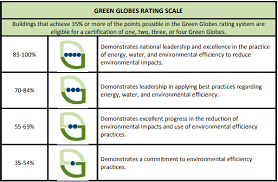
The standard comprises forty-four criteria and approximately four hundred indicators that assess sustainable management, cultural heritage, social and economic impact, and environmental performance. It is supported by Green Globe Solutions, an online platform that tracks progress and connects the standard to the United Nations' Sustainable Development Goals through more than 100 related indicators.
A major part of the innovation is that the standard evolves continuously. Seventy-five percent of updates come directly from Green Globe members, ensuring that it is always practical and relevant. As Guido often notes, “a huge part of keeping our innovation alive is asking our clients each and every year what they believe should be added to the standard to make it even better than it was.” Green Globe also recognizes the value of community-generated solutions. Many of the most effective ideas come from local employees working in hotels and convention centers. Examples include the childcare rotation system in Antigua, the falcon program in Germany, and redesigned buffet layouts that reduce food waste by eighty percent. These solutions show that the innovation lies not only in the standard itself but also in the creativity it inspires.
By transforming complex academic concepts into clear and practical applications, Green Globe helped the tourism industry integrate sustainability into its everyday operations. This innovation now influences government policy, shapes hotel decision-making, and guides traveler expectations worldwide.
Guido Bauer's inspiration for founding Green Globe was built from his global experience, personal conviction, and a deep frustration with the confusion and uncertainty surrounding sustainability. After many years of working in the Caribbean, Europe, and the United States, Guido experienced the environmental pressures on tourism-dependent regions. There were coastal erosion, water shortages, waste mismanagement, and weak local economies struggling to keep up with the demand of global tourism.
What ultimately inspired Guidos innovation was his noticing that sustainability information wasn’t easily accessible, it was overly academic, and too complicated for the average hotel worker to understand. While attending a Las Vegas industry conference, Guido observed four high-end hotel CEOs acknowledging that sustainability was a growing concern, but no one knew where to begin addressing it. He explained, "Before 2001, you basically needed a PhD to understand sustainability." Guido realized that the industry needed a clear, practical, and universally applicable standard that any hotel could easily follow. His research in Australia provided the foundation, but his real-life experience made the need indisputable. Guido realized that sustainability shouldn’t require a PhD, but it should be understandable for everyone.
Guido was motivated by the destruction he witnessed in travel destinations close to his heart, and was guided by the belief that businesses have a moral and economic responsibility to protect the places that generate their profits. He surrounded himself with scientists, educators, and practitioners, refining his academic framework into a global standard that makes sustainability accessible to the entire hospitality industry. Gudio states that ultimately, "[His] goal was to make sustainability something everyone could understand, not something only academics could explain."
Guido’s inspiration came from a deep sense of management as sustainability is not just a trend, but a daily practice embedded in protecting the world for future generations. Guido’s goal is driven by urgency, hope, and the belief that any action, big or small, can transform an industry.
The impact of Green Globe has reshaped the global hospitality industry by integrating sustainability into the core operations of hotels, resorts, convention centers, cruise lines, tourism boards, and supply-chain partners worldwide. What started as a three-client idea operating out of Guido’s bedroom has now become a global movement influencing over 4,000 businesses in over 1,000 countries and employing over 3,000 people.
Green Globe’s 44 criteria and over 400 indicators provide organizations with a comprehensive plan to reduce their environmental footprint. Certified properties have significantly reduced energy and water use, shifted to renewable energy sources, decreased chemical pollutants, restored damaged ecosystems, and minimized food waste by as much as 80% through clever portioning and design. Buildings that previously relied on 24/7 lighting now utilize natural solutions that eliminate waste and reduce emissions. These implementations help protect natural landscapes, conserve resources, and strengthen climate resilience in powerless tourism areas. Guido often stated, "All you have to do is look around," further discussing the shrinking beaches in Hermosa and the six-month drought on Maui's north shore.
The Green Globe standard has led to significant social transformations. In Antigua, a basic childcare rotation system enabled thousands of single mothers to secure stable employment while their children were cared for. This reduced government social security payments by 70% and let these women experience financial independence. Other “base practices,” as Guido calls them, developed by local communities, have created dignified jobs, improved working conditions, and elevated employee retention rates across the hospitality industry. Companies that use the Green Globe standard report improvements in operational efficiency, staffing stability, and guest satisfaction. Many different companies have generated millions, even billions of dollars through cost savings, efficiency gains, and enhanced brand reputation. Green Globe promotes cultural sustainability by encouraging hotels to incorporate local products, traditions, and community engagement into their guest experiences.
Green Globe has also contributed to major shifts in global consumer behavior. Sustainability has now become the third most important factor driving hotel bookings, trailing behind price and destination. Major websites such as Booking.com and Expedia use verified sustainability ratings, which influence millions of travelers every day. Governments even tend to rely on Green Globe’s data to brand themselves as “sustainable nations”, using certification results to guide environmental goals and national policy.
Green Globe creates strong business value by providing hotels and tourism companies with a trusted and measurable way to demonstrate their sustainability performance. By following Green Globe’s standards, businesses can improve operational efficiency, reduce energy and water usage, and enhance their daily management practices. These improvements often translate into real financial benefits. As Guido shared, “It makes money, and it’s there,” emphasizing that responsible operations lead to long-term savings and increased profitability. Even during the COVID-19 pandemic, when the hospitality industry suffered massive losses, the company retained nearly all of its clients, demonstrating the reliability and resilience of its business model.
The certification also helps businesses attract more customers. Sustainability has become essential in travel decision-making, and the Green Globe label strengthens a hotel’s reputation on major booking platforms. Guido explained this shift clearly, “Customers used to look at price, parking, and destination, now they look at price, destination, and sustainability.” Green Globe provides companies with a clear and consistent framework to follow, enabling them to meet rising consumer expectations and remain competitive in a changing market.
Beyond operational and financial benefits, businesses also gain access to new opportunities and stronger market positioning. Green Globe helps hotels appeal to environmentally conscious travelers, improves guest satisfaction through visible improvements, and supports long-term business growth. Guido’s belief that “the work continues” reflects the ongoing advantage the certification provides. By integrating sustainability into their core operations, companies not only improve performance, but they also invest in long-term growth, stronger customer trust, and a more resilient future.
Green Globe helps tourism businesses be more responsible by lowering their impact on the environment and making employees, guests, and local communities healthier. Guido says, "You don't just measure sustainability once; you practice it every day."
The Green Globe Standard makes the environment better by using less energy and water, making less trash, and protecting ecosystems. Many certified hotels get rid of harmful pesticides, reduce pollution, restore the land around them, and use renewable energy. Guido believed that "the answer is often common sense, nature gives us the solution," and many solutions come from simple, practical ideas.
Green Globe promotes fair labor practices, hiring people from the area, and more involvement in the community. Hotels that follow the standard usually keep their employees longer and have a stronger sense of purpose. Guido says, "Some of the best ideas for sustainability don't come from consultants; they come from the people around us."
Green Globe also has an impact on millions of travelers by teaching them small, eco-friendly habits that they can use at home. "All these little things you do make a huge difference," says Guido. By doing this, Green Globe not only helps individual businesses, but it also helps make the tourism industry more socially responsible and environmentally friendly.
Get stories of positive business innovations from around the world delivered right to your inbox.
The business develops a straightforward sustainability standard that enables hotels and tourism organizations to operate responsibly. It translates complex environmental and social concepts into clear practices that any employee can follow, regardless of their background. Its online platform tracks progress, connects actions to the UN Sustainable Development Goals, and helps organizations improve over time. The business grows by empowering staff and local communities to generate their own sustainability solutions, which often become part of the evolving standard. Its work strengthens financial performance, protects ecosystems, and inspires travelers to adopt more sustainable habits long after their stay.