

Cameron Jones
Hadid Wicaksono
YIYANG CAI
Ruitong Li
Fulviano Cahya
Charitha Senavirathna

University Of South Wales

Universidad de Navarra

IPMI International Business School

Amelia Naim Indrajaya

Liam Newton

Isabel Rodriguez Tejedo


Keep this story going! Share below!
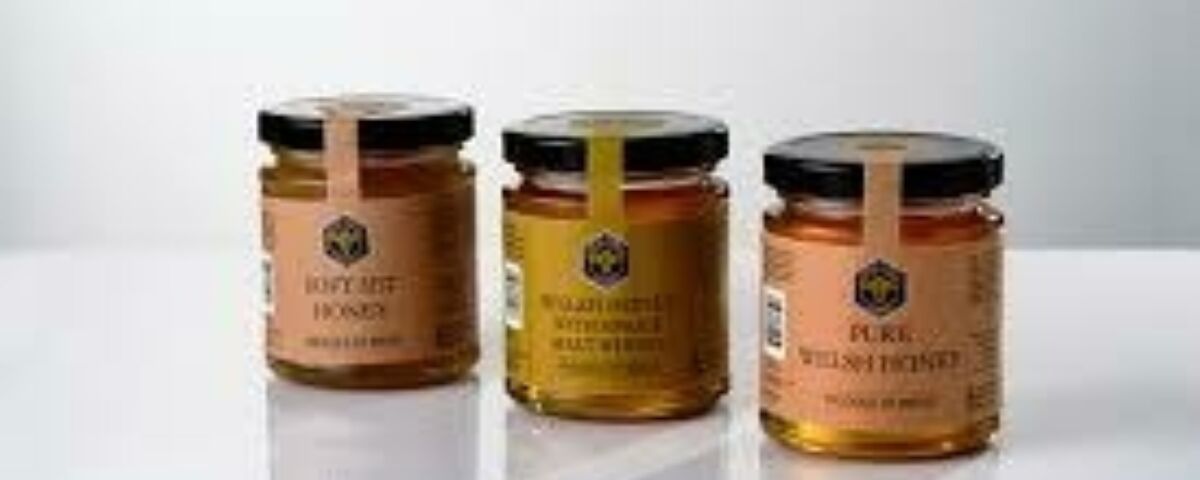
The Welsh Honey Company has taken a fresh approach to sustainable beekeeping, blending environmental care, community involvement, and responsible production into a single, cohesive model. By combining local hive management with biodiversity conservation and fair-trade practices, the company creates a system that benefits both people and the planet. In doing so, it naturally contributes to several UN Sustainable Development Goals, notably Life on Land (SDG 15), Decent Work and Economic Growth (SDG 8), and Responsible Consumption and Production (SDG 12).
At the heart of the Welsh Honey Company’s innovation is a hands-on, community-centred model of beekeeping that goes beyond simply producing honey. Local beekeepers, trained by the company, care for hives spread across small farms throughout Wales. They follow methods designed to improve pollination, protect native plant species, and minimise chemical use—actions that directly support SDG: Life on Land. The company doesn’t stop there. It partners with universities and environmental organisations to track hive health and monitor local biodiversity, using real data to guide decisions and measure impact.
The production side is equally intentional. Each jar of honey is fully traceable, ensuring it comes from sustainable hives. Packaging is biodegradable, and surplus honey that can’t be sold is donated to local food programs, quietly advancing SDG: Responsible Consumption and Production. These steps show that even small choices in handling, packaging, and distribution can make a meaningful difference.
Beyond environmental and operational measures, The Welsh Honey Company also emphasises social sustainability. Residents find employment and training opportunities through the program, gaining stable incomes and practical skills, which connect to SDG: Decent Work and Economic Growth. Workshops, farm visits, and school programs help communities understand the importance of pollinators and environmental stewardship, creating ripple effects that extend beyond the farm.
In essence, The Welsh Honey Company demonstrates that a business can be both profitable and a force for good. Their model is a compelling example of how sustainable practices, community engagement, and economic growth can intersect, producing honey while also nurturing ecosystems and supporting local people.
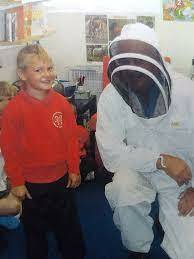
The inspiration behind The Welsh Honey Company’s innovation is deeply rooted in the founder Dafydd’s lifelong respect for bees and his awareness of their essential role in sustaining the environment around him. “I was inspired by a respect for nature and the need to protect pollinators,” Dafydd explained. “They are crucial to everything we do—they are a massive part of biodiversity. Within four years we’d be dead if bees died.” This deep recognition of ecological interdependence became the moral foundation for the company’s sustainable approach.
Much of Dafydd’s vision also stems from family tradition. His grandfather first began keeping bees as a hobby before turning it into a small community trade, selling honey produced just “a couple of miles around the corner.” Continuing that local practice allows Wales Honey not only to preserve a family heritage but also to minimize carbon emissions and maintain ethical, sustainable production close to home. This blend of familial legacy and environmental responsibility forms the emotional core of the company’s innovation.
At the same time, Dafydd’s observations of growing imports of adulterated honey from abroad sharpened his commitment to authenticity and transparency. Determined to offer a genuine, traceable product, he introduced new business practices and technologies that counter the market’s overreliance on mass production. In doing so, The Welsh Honey Company demonstrates how a personal sense of duty—grounded in respect for both nature and family tradition—can evolve into a broader mission for sustainability and integrity in modern enterprise.
The outcomes of The Welsh Honey Company’s innovation extend beyond economic success, reflecting tangible progress across multiple levels of sustainability. In the short term, the company’s pesticide-free hives and local sourcing practices have improved pollination networks and increased biodiversity in surrounding areas—directly supporting SDG 15: Life on Land. Continuous collaboration with environmental researchers has confirmed gradual recovery in native bee populations, providing measurable ecological evidence of the company’s positive influence.
From a socioeconomic perspective, The Welsh Honey Company’s emphasis on local production and fair compensation has revitalized rural Welsh communities, aligning with SDG 8: Decent Work and Economic Growth. The company’s transparent supply chain ensures that small producers receive equitable pay while reinforcing consumer trust in local, sustainable goods. Furthermore, by implementing recyclable packaging and promoting conscious consumption, Wales Honey actively contributes to SDG 12: Responsible Consumption and Production, creating a circular value chain that benefits both business and the environment.
Beyond these measurable effects, the innovation has fostered a cultural shift within the region. Schools, NGOs, and neighboring farms have begun adopting similar practices, encouraged by the company’s example that environmental responsibility and profitability can coexist. Wales Honey thus stands not merely as a producer of sustainable honey, but as a catalyst for reimagining how small businesses can nurture both communities and ecosystems in tandem.
The Welsh Honey Company is currently solely run by Dafydd Pett and because of the good partnership he has with other beekeepers in the local area he is able to retain his customers and fulfil his orders when his bees haven’t produced enough honey. He has built his loyal customer base and brand loyalty through being transparent throughout the entire operation and showing how sustainable his practices as well as maintaining ethical practices.
The company has a monthly subscription service ‘The Monthly Honey Subscription’ where customers can select the quantity of the honey they like to order and this is then delivered to their homes. This monthly subscription service is key in building the company’s loyal customer base and it has made it easier for returning customers to place their orders.
The company also collects bee swarms for free of charge from people’s gardens which has built their customer and beekeeper network Since 2020 years as the people they help out then call them back. This has led to the same people getting involved in beekeeping and the company has been able to increase their network of beekeepers through this.
Furthermore, the company offers a beekeeping course which is sold out every year and this further increases engagement with the community. The company is able to build their brand visibility and customer base through this. As beekeeping is still not something that is relatively popular in the UK, the company has also increased the youth involvement by promoting beekeeping through social media and YouTube channel.
The Welsh Honey Company’s innovations in sustainability have had a large effect on the local area for both the people and the environment. Their innovations in packaging with the use of “packing chips that are compostable using things like bubble wrap which is recyclable and just cardboard packaging for the boxes” has allowed them to limit the effect they have on the environment and reduce their carbon footprint. Dafydd the founder and owner said in the interview that they have a “reduce, reuse, recycle” policy in their business which allows them to continue their sustainable business practices. A further way in which they help reduce their carbon footprint and benefit the environment is that they have created a “circular, local and ethical business model” that provides honey to the local community, which in turn allows them to reduce air miles and helps support the community. The Welsh Honey Company also attempts to aid in the “huge epidemic of climate change” through the use of 100% renewable energy at their bottling facility which Dafydd had described as a “huge step in the right direction for meeting the UN’s sustainability development goals”.
The Welsh Honey Company’s sustainable business model also provides a benefit to the local community due to their collaboration with the local council and other sustainable food production in order to create a sustainable food network that provides ethically sourced food to schools and local businesses. The Welsh Honey Company also collaborates with local farmers to encourage the use of “arable crops that are beneficial to bees and other pollinators”. There is also a benefit to the local area due to their initiative to create “pollinator friendly areas” through the use of wildflower seed bomb giveaways, to promote the growth of more green areas in a community that is seeing more “built up areas” due to housing estate construction. Through the use of these initiatives they have benefits to the local environment and those in the community that depend on it.
Get stories of positive business innovations from around the world delivered right to your inbox.
Dafydd Pett, Owner and Founder
The Welsh Honey Company is a business based in South Wales and produces raw unpasteurised honey, bees wax and health products such as honey-based lotions. The owner and founder of the business is Dafydd Pett who inherited the beekeeping side of the business from his grandfather who had the apiaries and beekeeping as a hobby since 1969, Dafydd then decided to expand it and have a focus on sustainability in productions and e-commerce. Their mission is to promote biodiversity in the area in which they operate and to also help promote and educate about the health and importance of pollinators, they do this with collaboration from Bridgend and district beekeepers association through the use of courses that they put on for amateur beekeepers to teach them about how to bee keep and how to do it in an ethical and sustainable way.