

Hadley Johnson
James Zimmerman
Nataly Garcia
Bradley Haskell
Fahd Al-Rashed

Loyola Marymount University
Jeff Thies


Keep this story going! Share below!
Hy Cite’s PackSize innovation was created with one question in mind: How can we care for people and the planet at the same time? This question led to reimagining shipping boxes as a new, custom-fit packaging solution that minimizes corrugate use, lowers emissions, and streamlines distribution. Hy Cite’s story showcases how a daily packaging shift can make a world of difference in sustainability efforts.
Hy Cite is a multinational corporation known for its Royal Prestige kitchenware line, designed to help families cook healthier meals and improve their daily lives. Using a direct-selling strategy and a robust network of independent distributors, the company prioritizes both outstanding product quality and making its cookware affordable for homes around the world. Innovation is woven into every part of Hy Cite’s operations and culture, where the PackSize project was born.
First, it's essential to look into how the PackSize innovation works, where it came from, and who made it happen. As Alex Campos describes it, PackSize is an “on-demand packaging technology that automatically creates custom-sized boxes for every order.” PackSize breaks away from traditional fixed box sizes and generates thousands of precise box dimensions for each product order. Alex Campos continues by saying that PackSize “optimizes headspace and reduces the consumption of corrugate, which is extremely water-intensive,” while also increasing truckload efficiency and lowering CO2 emissions.
Hy Cite originally came up with the idea after seeing that their shipping boxes were not working well for the company. They noticed a need for change when their shipping boxes were oversized. The process for this new idea began in the United States in 2017, but PackSize swiftly expanded into Mexico. According to Campos, the spark truly flourished when Hy Cite’s team saw an opportunity to elevate their operations and create more meaningful work for employees. Before PackSize was established, employees spent many hours manually assembling standard cartons, a hugely significant task, but one that limited employees' ability to develop new skills. After PackSize was implemented, it allowed employees to step into new roles that encouraged learning and variety, while improving efficiency and reducing the company’s environmental footprint.
Several key groups were involved in bringing this innovation to fruition. The Order Fulfillment & Distribution (OF&D) team and the Engineering team worked hand in hand to implement PackSize machinery into Hy Cite’s fulfillment systems. These teams were responsible for directing a 12-month system testing rollout across two countries, the United States and Mexico.
More than just a technical upgrade, the PackSize project reflects Hy Cite’s mission to “help people better nurture their families by creating exceptional kitchenware and making it attainable to all.” Though Hy Cite is primarily known for its kitchenware that promotes healthy cooking, the company sees sustainability and responsible operations as an extension of that mission. Campos solidifies this by saying, “We are constantly looking for innovation to care for the community, not only through health products, but also by making the world a better place to live.” In this way, PackSize embodies Hy Cite’s dedication to supporting families while nurturing a more sustainable world.
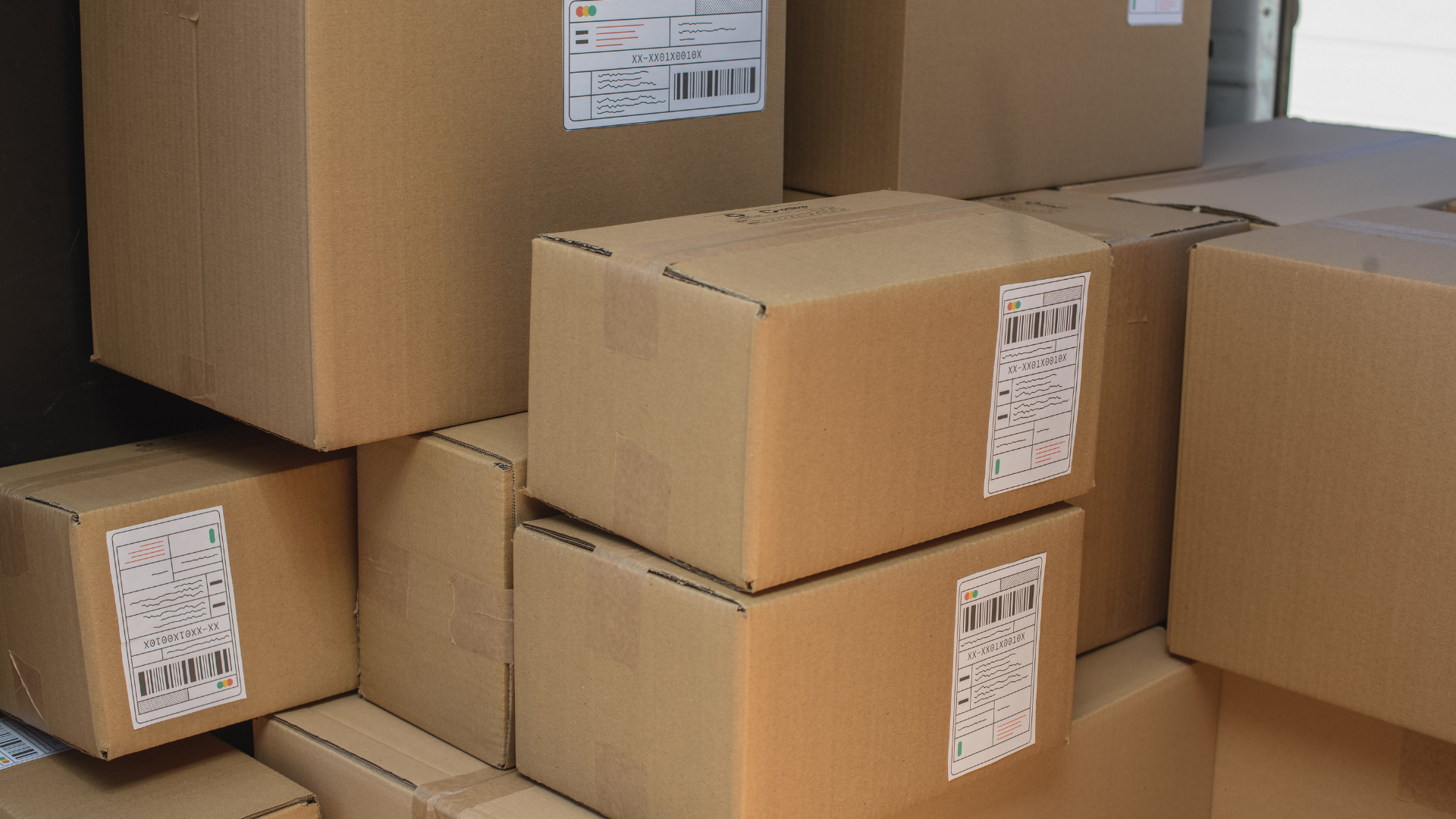
The inspiration for Hy Cite’s PackSize innovation stemmed from an operational and environmental challenge: fixed cartons that were wasting space, increasing shipping costs, and generating carbon emissions. As Alex Campos explained, the original idea came from the company’s desire “not only [for] savings for the company, but to add value to the environment and to the people.” By tailoring each shipment to the exact size of the order, Hy Cite saw an opportunity to reduce material use and advance its ESG commitments.
Another motivation came from the human side of the operation. Before PackSize, employees spent their days manually forming cartons. This work, however, did not help them grow professionally or build any transferable skills. Alex described asking himself whether this task was “adding value to this person and for us,” and mentioned that many workers were worried that automation would replace their jobs. Instead, Hy Cite wanted to use PackSize to improve their employees' work by allowing them to move into roles such as picking, warehousing, and inventory control. Campos says these new roles would “add value to their curriculum” and develop new skills, ultimately improving employee work conditions and company culture.
The project finally drew inspiration from its impact on the community as a whole. When PackSize expanded to Mexico, employees there personally measured reductions in emissions and material waste. This is because many regions, such as Guadalajara, struggle with smog that can be reduced through business practices such as PackSize. Campos sharing these results with their families and friends showed meaning behind the work that he said allowed employees to “connect the dots” between a sustainable practice and its real-world impact on the community’s well-being. As he stated, the team ultimately realized that the project aligned with “more than half of the United Nations pillars,” demonstrating that PackSize was an ethical and sustainable innovation designed to help the company, its employees, and the community.
Hy Cite’s PackSize innovation was a decisive move for the company, allowing improvements across many facets of operations and environmental impact. These include, but are not limited to, cost savings, efficiency gains, employee development, and brand reputation. The innovation of optimizing packaging to fit customer orders more precisely transformed the operational process by reducing the amount of corrugate used, lowering shipping supply costs, and allowing more orders to be loaded per truck. The result was significant cost savings and efficiency gains. Beyond financial benefits, the project also improved workforce development. Employees who once performed repetitive tasks, such as forming cartons, were retrained for higher‑value roles in inventory control, warehousing, and logistics. This not only strengthened operational resilience but also enriched employee skill sets, making the company more adaptable and competitive in the long run.
The project’s societal impact is seen in both employee empowerment and community health. While workers initially feared job loss, Campos combats this misconception by implying “We were able to explain to them that we were adding value to their jobs… they were moved to another area, to learn other things, and then add value to their curriculum.” The company emphasized retraining and skill development, demonstrating that innovation could add value to their career. Employees took pride in sharing the project’s outcomes with their families, reinforcing community engagement. Customers also benefited from a better “unpacking experience,” receiving right‑sized boxes instead of oversized packaging, which reduced frustration and waste. In Mexico, where air pollution is a pressing issue, reducing delivery trips contributed to cleaner air, directly improving community well‑being.
Environmentally, PackSize delivered measurable sustainability gains. Cardboard production is a resource-intensive process, but by reducing corrugate use, the company was able to conserve water and trees. Optimized packaging also meant fewer trucks on the road, cutting carbon monoxide emissions and lowering the company’s overall carbon footprint. The shift from expendable foam to recycled paper for protective packaging further reduced waste. These changes align with global sustainability goals, demonstrating that operational efficiency can go hand in hand with environmental stewardship.
In the short term, the company saw immediate savings in packaging and shipping costs, along with reduced emissions from fewer delivery trips. Employees experienced role changes that initially required adjustment but ultimately led to more meaningful work. While these short-term impacts are essential, Alex emphasized that it's “Never worth it to have short-term results if you are compromising the long-term results.” In the long term, the innovation established a culture of continuous improvement, with ongoing adjustments to packaging design and logistics processes. The reduction in emissions, water conservation, and reduced waste were environmental benefits that positioned Hy Cite as a leader in sustainable operations, strengthening its global ESG reputation.
The PackSize innovation allowed Hy Cite Enterprises to leverage cost efficiency while creating value beyond savings. By producing custom-sized boxes for each order, the company reduced cardboard, lowered shipping costs, and increased truckload capacity. These changes streamlined operations, optimized warehouse space, and reduced waste, directly improving profitability and logistics performance. At the same time, the project reinforced Hy Cite’s reputation as a company that integrates sustainability with smart business decisions, proving that innovation can drive both financial and environmental success.
The biggest environmental benefit of the PackSize project is the significant reduction in waste and pollution. In our interview, Alex explained that making cardboard corrugate uses a considerable amount of water, so by customizing the box sizes to fit the products perfectly, they are saving water and trees. It also helps reduce emissions because smaller boxes mean more orders can fit on a single truck. This reduces the number of trips delivery drivers have to make, thereby lowering carbon monoxide levels. As noted above, Alex mentioned that this was very important for their team in Mexico, where reducing smog makes a real difference in the community's health.
On the societal side, the project helped Hy Cite employees advance in their careers. Before the machines were brought in, workers spent their entire day folding boxes by hand, suggesting they were not learning new things. Now, those same employees are being retrained for better jobs, such as inventory control and warehousing. This adds value to their resumes and enhances their skills for the future. It also helps the customers because they do not get annoyed by receiving a giant box for a tiny item, which creates less trash for them to deal with at home.
Get stories of positive business innovations from around the world delivered right to your inbox.
Alex Campos, Vice President of Supply Chain
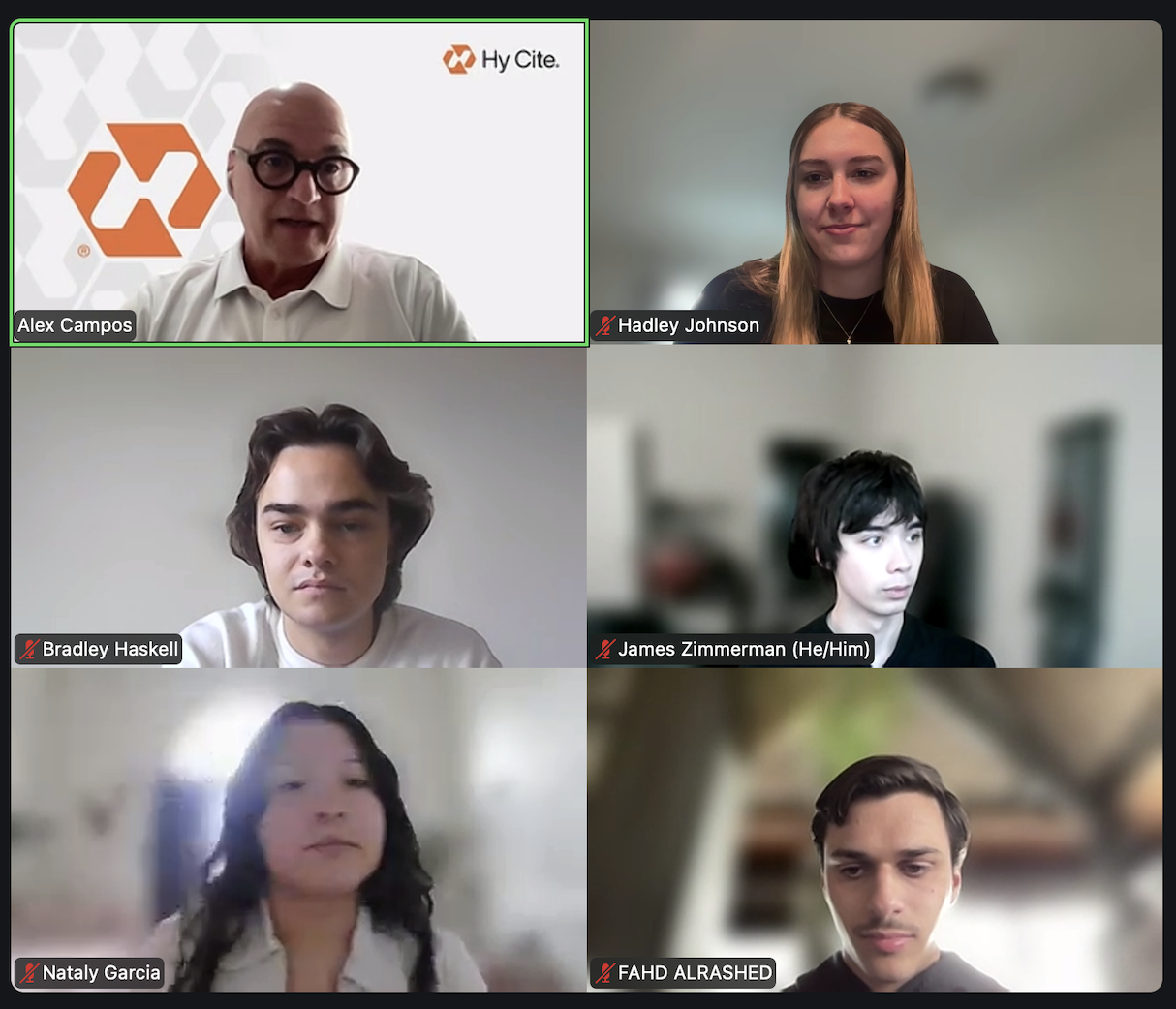

Hy Cite Enterprises is a multinational corporation that is well-known for its Royal Prestige kitchenware line, which is intended to help families cook healthier meals and improve their daily lives. Using a direct-selling strategy and a robust network of independent distributors, the company places a high priority on both providing outstanding product quality and making its cookware affordable for homes all over the world.