

KRISH PATHAK
Talia Aynsley
Parineeta Aggarwal
nouf almutairi

Loyola Marymount University
Jeff Thies

Keep this story going! Share below!
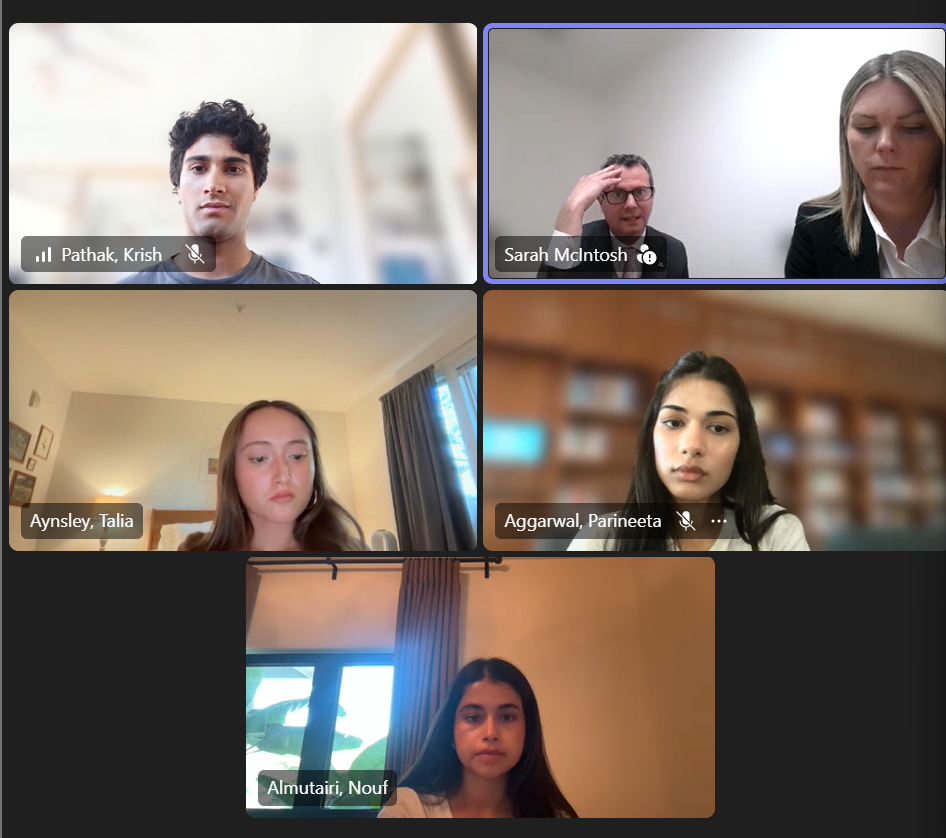
Our Inquiry Analysis covered how The Maybourne Hotel in Beverly Hills is eliminating single use plastics, which is in line with SDG #12: Responsible Consumption and Production. They have shifted this from being a side mission into a core operation of the hotel. They implemented a hotel-wide movement of eliminating single-use plastics by replacing them all with glass alternatives; this was considered more of a luxury experience for guests by using nicer glass bottles throughout the hotel.
The main change has been swapping out plastic water bottles and all those tiny individual shampoo, conditioner, and soap bottles that luxury hotels are kind of known for, and replacing them with refillable glass containers. That sounds simple but it really was not. The hotel had to find new suppliers, invest in high-quality containers that matched the feel of the rooms, and build out systems to make sure everything was being sanitized properly when refilled.
Sam, the Managing Director at The Maybourne, was pretty direct about this when we spoke to him. He pushed back a little on the idea that it was straightforward:
“You don't just go, I'll just switch from plastic to glass. There's a whole mechanism behind the scenes that goes into it in order to deliver and keep it up and maintain it and then be able to monitor. There are certain innovations that we have to adapt internally in order to embrace it, and quite often, most of these come at a higher cost.”
The program now covers basically every touchpoint a guest has during their stay, from the water bottle left during turndown service to the amenities in the bathroom. The hotel also aligns with a Beverly Hills city ordinance that bans single-use plastics, so there is a legal dimension to this too, but Sam made clear they are going further than the law requires. Progress is tracked monthly against performance targets, and a third party comes in annually to verify the numbers.

When we asked Sam what originally drove this, he did not talk about regulations or cost savings first. He talked about values. The company genuinely believes it has a responsibility to leave things better than it found them, and that shapes how they operate.
“As a company, it's a commitment that we value, and is a pillar of the organization, and so embracing that in the city like Beverly Hills and the state like California are a very natural kind of progression.”
California's ESG (Environmental, Social and Governance performance) landscape made this a logical move strategically, but according to Sam, the internal conviction was already there. He also brought up something that does not always come up in these conversations, which is that getting guests on board was genuinely hard at first. People were skeptical of refillable containers in a hotel setting.
“There's a psyche with the consumer too, right? So who used this before me, like, is it hygienic? You know, who's opening this and who's putting something in it? This was a major problem during this, during shifts, because people didn't trust the product and the container. And I think that mentality has now changed”
The fact that they pushed through that friction instead of going back to what was easier says a lot about how seriously they take this.
The numbers here are pretty striking. Sam estimated the hotel was going through around 300,000 plastic amenity units every year before the switch. Eliminating those from the waste stream is a real, measurable reduction. Third-party auditors track this on a rolling basis so there is actual evidence behind the claim, not just a number pulled from thin air.
Sam put the scale of it into perspective during our conversation:
“When you look at occupancy levels and number of room nights that the hotel does, that's the number of customers passing through the front doors of the hotel. Actually putting their head in a bed. It's a considerable amount of people, if you just think about it, from a turndown water perspective, or a giveaway water perspective. That's a ginormous amount of plastic that doesn't necessarily get recycled and isn't helping our carbon footprint.”
Over time, the program has also helped build the hotel's reputation as a serious sustainability player rather than one that just puts recycling bins in the hallway and calls it done. Sam acknowledged that other hotel brands have gone down this road too, but he was clear that depth of commitment is what separates real change from a marketing talking point.
The upfront cost was significant. Sam shared that switching to high-quality refillable glass containers cost the hotel upward of $100,000 as a one-time capital investment. But the math works out. Those small single-use amenity bottles were costing somewhere between $0.50 and $1.00 each, and the hotel was going through about 300,000 of them a year. That adds up fast. By refilling instead of replacing, the hotel is saving an estimated $300,000 to $400,000 annually on operating costs.
There is also a revenue side to this. Some sustainable product brands offer rebate programs to hotels that commit to using their products at volume. Sam gave a specific example:
"There are a lot of brands who have more sustainable products who are willing to participate in revenue share or reduction of marketing dollars in order for them to get their products into your hotels. We utilize only glass bottles for the smaller giveaway in room turndown orders, and there's a buyback program on the number of cases that we use in a year. That is an example of a dual kind of benefit for two companies partnering together."
Beyond the direct financials, the bigger business benefit is probably what this does for corporate sales. A lot of large companies now ask hotels about their ESG commitments before booking conferences or group stays. Sam explained how this plays out:
“In the corporate world now, especially as we work with blue chip organizations across the globe, a lot of their buying decisions are based on how impactful we are on the environment and the initiatives we're taking in order to mitigate that. It opens the door for us to do business with a greater number of corporations than we potentially would have had access to had we not made the change.”
On top of all that, there are some quieter operational wins too. Housekeeping staff are not restocking individual bottles every single day, which cuts down on workload. And the glass containers just fit the aesthetic of the hotel better than plastic ever did.
Taking roughly 300,000 plastic units out of circulation every year is the most tangible benefit, and because it is tracked and audited externally, it is not just a marketing claim. The hotel can actually point to data showing how much waste has been reduced year over year.
One thing Sam brought up that we had not really thought about going into this interview was how much location matters for sustainability efforts. The Maybourne benefits from being in a city that has the infrastructure to actually handle waste properly:
“We have a slightly easier job of it when we think about it in a cosmopolitan city like Beverly Hills or Santa Monica. So we're leaning into that to be part of a broader solution, as opposed to just being a one-off entity trying to accomplish something that we feel very passionate about.”
The hotel also does a lot of community work that goes beyond the plastic initiative. They regularly prepare meals for people experiencing homelessness, and every quarter they bring students from Beverly Hills High School in for a full day to learn how the hotel actually operates. Sam talked about why this matters to them:
“We believe we have a greater responsibility than just selling rooms and food, that we can do something much more powerful if we're really socially conscious.”
As a model, what The Maybourne is doing is replicable. Sam confirmed that most major hotel brands have started moving in this direction, which means the playbook exists. The key ingredient is a real corporate commitment from the top down, not just a policy on paper. When that is there, the operational and financial case for making the change is genuinely strong.
Get stories of positive business innovations from around the world delivered right to your inbox.
Sam Jagger, Managing Director

The Maybourne Beverly Hills is a sophisticated five star luxury hotel in Beverly Hills, California. It is the first and only U.S. property under the Maybourne Hotel Group, the business provides high end hospitality services. Beyond traditional accommodations, the hotel hosts nice restaurants and hosts large conferences setting the standard for refined luxury.