

Alexis García
Thomas Rolland
Thomas Rooijmans
Noreth Guajardo
Fernanda Murra

ITESO, Universidad Jesuita de Guadalajara

Pilar Lopez


Keep this story going! Share below!
Loya is a sustainable fashion store and clothing brand that focuses on making the entire production process transparent, from materials to manufacturing. Their solution combines ethical sourcing, fair labor practices, and slow-fashion design to offer clothing that lasts longer and has a lower environmental impact. By promoting responsible consumption (SDG 12), ensuring decent work across their supply chain (SDG 8), and reducing pollution through conscious production choices (SDG 13), Loya shows how fashion can genuinely support a more sustainable and ethical future.
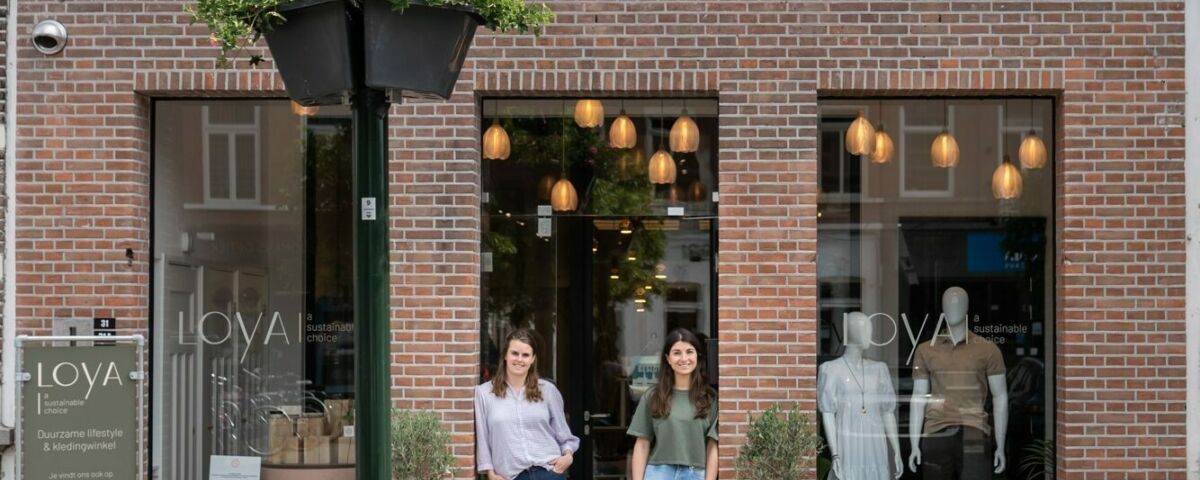
In the heart of Breda, the Netherlands, two lifelong friends turned their shared passion for sustainability into a transformative business model. Loya, a multi-brand sustainable fashion store with its own clothing line, has become a local beacon of responsible fashion. Beyond offering eco-friendly apparel, Loya represents a movement toward transparency, ethical production, and mindful consumption. Its dual model—curating around thirty sustainable brands while also producing its in-house label, Doe—allows Loya to maintain tight control over supply chains, materials, and environmental standards. The founders’ philosophy centers on the belief that true sustainability starts with visibility: knowing who made your clothes, where, and under what conditions. Through this approach, Loya exemplifies how small businesses can bridge the gap between fashion and environmental accountability.
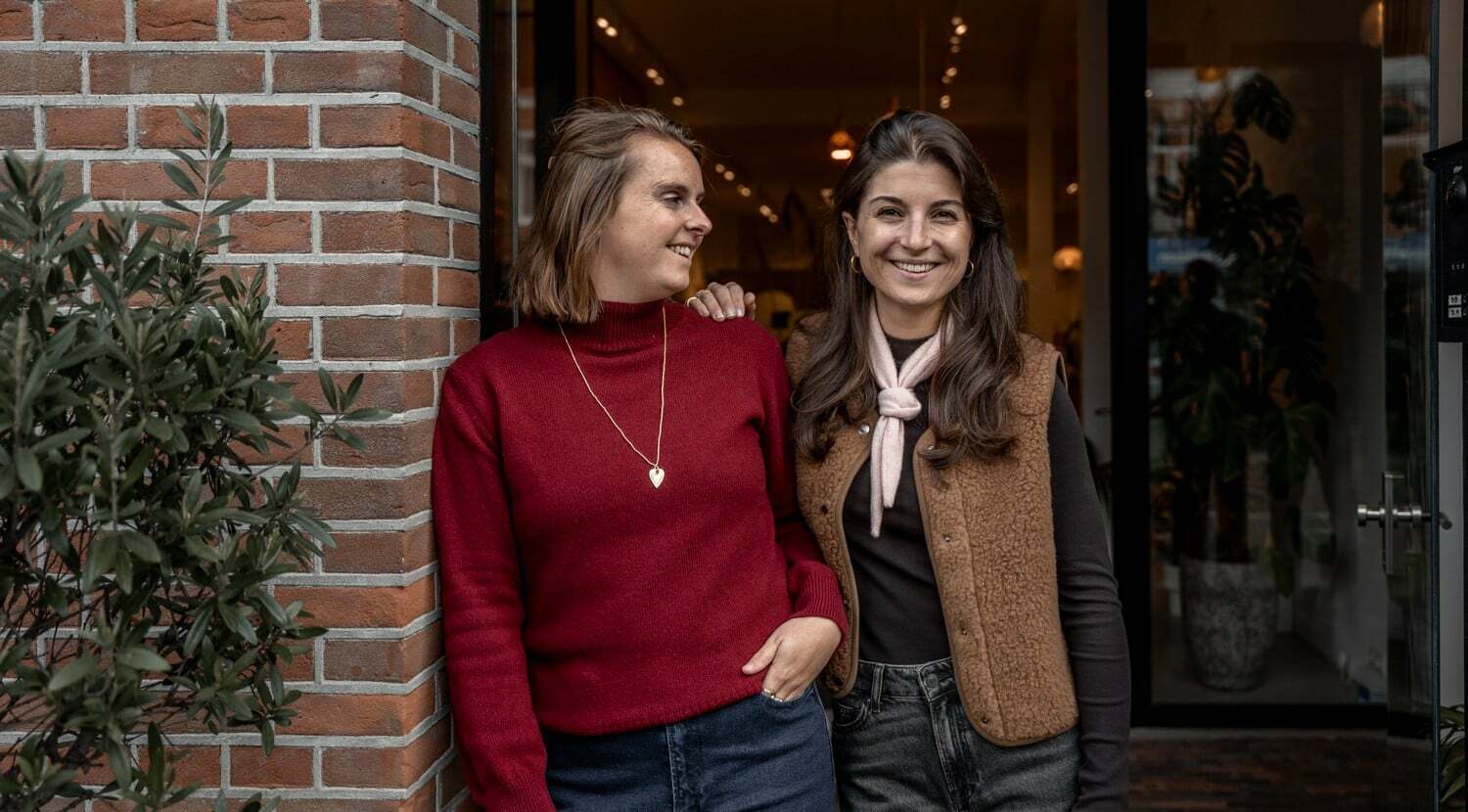
Loya was created by two lifelong friends who share a genuine passion for sustainability, fashion, and transparency. They founded the business in Breda after realizing that the city—and really the whole surrounding region—had no accessible sustainable fashion alternatives. The idea didn’t come from a business trend but from their own lives: they couldn’t find clothing that matched their values, and they felt frustrated by how polluting and opaque the fashion industry was. After years of talking, planning, and researching, they finally decided to open the store they themselves wished existed.
What Loya does is offer a transparent and ethical alternative to fast fashion. They run a multi-brand sustainable shop with around thirty carefully vetted brands, and they also produce their own clothing line in Portugal under fair and controlled conditions. Their innovation is rooted in making every part of the supply chain visible—materials, factories, certifications—and designing slow-fashion pieces that last for years instead of seasons. Even the store’s interior reflects their values, using recycled plastic, textile waste, and natural materials. The business started in Breda, but its impact and storytelling reach customers locally and online, helping spread a new mindset about clothing.
How they operate is simple but powerful: they ask the right questions, verify everything, and explain the story behind every garment to their customers. Their model proves that transparency and responsibility can be practical, stylish, and financially viable. By focusing on long-term quality, ethical partnerships, and low-waste production, Loya is not only offering better clothing—it’s helping move the fashion industry toward a more conscious and sustainable future.
Loya’s impact radiates through several dimensions: environmental, social, and cultural. The store operates as a living example of what responsible fashion can achieve. Environmentally, Loya minimizes waste by producing on demand, avoiding overstock, and selecting natural or recycled materials. Many items in their store include a QR code that traces the product’s entire journey—from raw material to factory—giving customers access to certificates, production sites, and supply origins. Even the store interior reflects their philosophy: furniture made from recycled plastic, rice production residues, and reused military textiles.
Socially, the founders uphold fair wages, safe working conditions, and transparency throughout their supply chains. They collaborate only with brands founded on sustainable principles rather than large corporations adding “green” product lines. This ensures deeper alignment with ethical values and SDG 8—promoting decent work and sustainable economic growth.
Culturally, Loya is reshaping consumer awareness. In a city where they remain the only sustainable fashion store within a forty-kilometer radius, they’re not just selling clothes—they’re educating the public about conscious consumption. Customers learn to value cost per wear instead of low upfront prices, shifting the mindset from disposable trends to long-term quality.
Loya’s innovation—built on transparency, fair production, and slow-fashion design—has created meaningful business results since the founders opened their store in Breda. By carefully selecting around thirty sustainable brands and developing their own clothing line, Doe, produced in Portugal, they opened a new market in a region that had no accessible sustainable fashion options. The founders mentioned that within a forty-kilometre radius, “we’re the only sustainable fashion retailer,” which shows how their model filled a real gap and attracted customers looking for honest, responsible clothing. Because the business created both a store and a brand, they expanded their reach beyond their physical location by selling their products online and through other retailers.
In the short term, their focus on transparency has built strong customer trust and loyalty. People who shop at Loya understand the story behind each piece, whether it’s made from Dutch wool, recycled fibers, or produced locally. This experience increases customer retention because buyers feel emotionally connected to the clothes they purchase. Loya also benefits from a healthier internal structure: the two founders divided their roles based on their strengths—finance and marketing—which improved their wellbeing and allowed them to run the business without needing a large staff. As one founder explained, this clear division “helps us react quickly” and keeps operations efficient.
Long term, their innovation has opened opportunities for deeper collaboration with small sustainable factories and like-minded brands. Because the business prioritized responsible sourcing and durability, they’ve created a product line that is timeless, low-waste, and attractive to conscious consumers. This has positioned Loya as a leader in sustainable fashion in their region, and their vision for future expansion shows how transparency and ethics can create both social and economic value.
Loya was created by two lifelong friends who share a genuine passion for sustainability, fashion, and transparency. They founded the business in Breda after realizing that the city—and really the whole surrounding region—had no accessible sustainable fashion alternatives. The idea didn’t come from a business trend but from their own lives: they couldn’t find clothing that matched their values, and they felt frustrated by how polluting and opaque the fashion industry was. After years of talking, planning, and researching, they finally decided to open the store they themselves wished existed.
What Loya does is offer a transparent and ethical alternative to fast fashion. They run a multibrand sustainable shop with around thirty carefully vetted brands, and they also produce their own clothing line in Portugal under fair and controlled conditions. Their innovation is rooted in making every part of the supply chain visible—materials, factories, certifications—and designing slow-fashion pieces that last for years instead of seasons. Even the store’s interior reflects their values, using recycled plastic, textile waste, and natural materials. The business started in Breda, but its impact and storytelling reach customers locally and online, helping spread a new mindset about clothing.
How they operate is simple but powerful: they ask the right questions, verify everything, and explain the story behind every garment to their customers. Their model proves that transparency and responsibility can be practical, stylish, and financially viable. By focusing on long-term quality, ethical partnerships, and low-waste production, Loya is not only offering better clothing—it’s helping move the fashion industry toward a more conscious and sustainable future.
Get stories of positive business innovations from around the world delivered right to your inbox.
Yara, [email protected]
Loya is a sustainable fashion store in Breda that combines a curated selection of responsible brands with its own clothing line. More than just offering apparel, the business promotes transparency, ethical production, and mindful consumption. Their approach focuses on showing customers who made their clothes, where, and under what conditions, creating a more meaningful and honest shopping experience. To me, Loya represents a movement that’s redefining fashion through responsibility, quality, and conscious design.