

Vrunda Reshamwala
Dhviti Patel
Hardvi Patel
Vruta Patel

Fairleigh Dickinson University (FDU)

Aixa Ritz


Keep this story going! Share below!
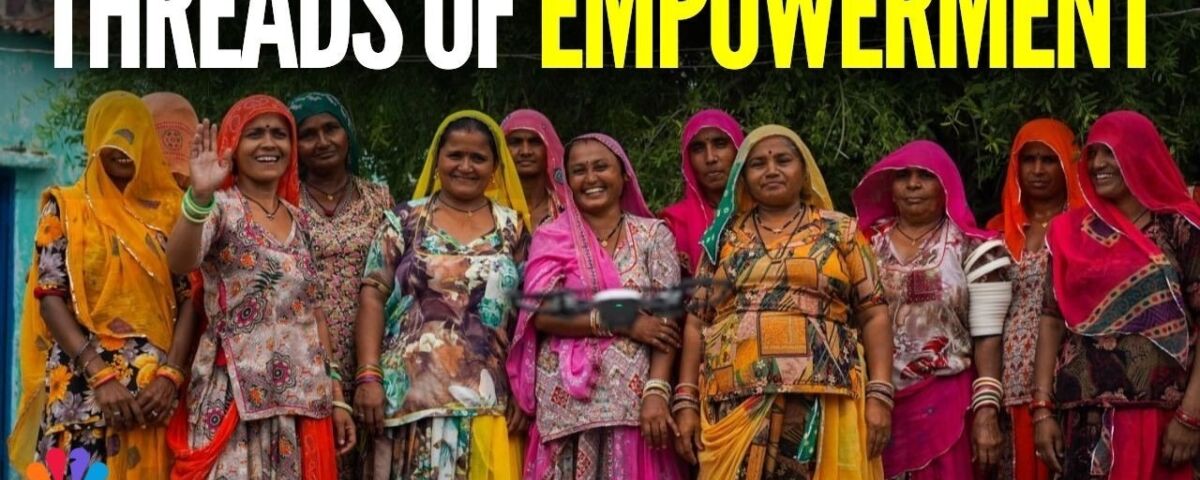
Rangsutra Crafts India Ltd. introduced a community-owned business model that raised craftsmen from laborers to shareholders and co-owners of the company. Each artisan owns a share, giving them a voice in business decisions and a stake in the company's success.The enterprise ensures profit-sharing and decision-making rights for artists, allowing them to participate in company governance and directly benefit from growth.
Rangsutra Crafts India Ltd. strongly connects its operations with several United Nations Sustainable Development Goals (SDGs) through an inclusive and sustainable business model. Supporting SDG 1: No Poverty, the company improves the lives of rural artisans and their families by providing fair salaries, steady income, and opportunities for profit sharing. Rangsutra supports women who make up over 70% of its workforce via SDG 5: Gender Equality by encouraging leadership roles, financial independence, and confidence in formerly male-dominated societies.
It also aligns with SDG 8: Decent Work and Economic Growth by providing safe working environments, fair wages, and ongoing training initiatives to enhance local economies. The organization also works toward SDG 10: Reduced Inequalities by linking rural craftspeople to global marketplaces, allowing marginalized populations to access more economic opportunities. Rangsutra also promotes SDG 12: Responsible Consumption and Production by using environmentally friendly dyes, locally sourced materials, and sustainable manufacturing processes that benefit both people and the environment.
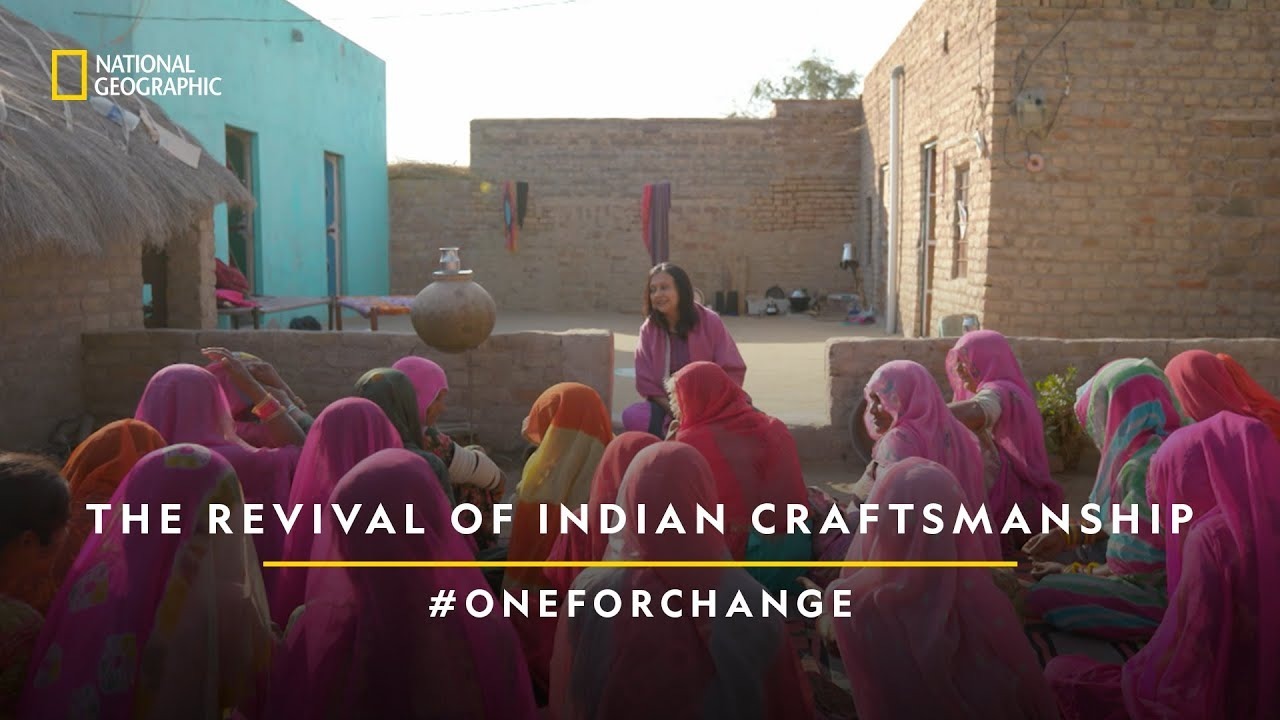
Milee shared how Indian rural artisans, especially women, struggled for years with miserable low pay, restricted access to markets, and virtually no control over the pricing or sale of their goods. The majority were dependent on intermediaries, putting them at risk of financial instability and exploitation. She stated that Rangsutra was established to directly connect craftspeople with modern marketplaces in order to alter this reality. Rangsutra supports craftspeople in demonstrating their abilities on a global scale while maintaining the cultural identity of their craft by combining traditional handloom and embroidery techniques with international quality standards established by partners like IKEA and FabIndia. Milee also talked about Rangsutra's intentions to increase its footprint in more rural areas, allowing even more craftspeople particularly women to obtain steady employment and turn them into shareholders with a genuine say in the company. The company also wants to increase its online sales, expand global collaborations, and launch new product lines that combine traditional artistry with contemporary design trends. In order to guarantee that artisans develop not only as producers but also as decision-makers influencing the organization's long-term course, Rangsutra is increasing its investments in sustainable initiatives, leadership development, and broad education programs.
Milee explained that Rangsutra Crafts India Ltd. has developed an effective organizational structure that allows the company to expand while maintaining artisans at the center of its mission and decision-making. To support long-term growth, the company put in place organized processes for training, supply chain management, and quality control. Artisans are both makers and learners, gaining training in product design, quality assurance, and business knowledge, allowing them to participate in critical business decisions and understand how the organization works. Rangsutra manages production across multiple rural areas using a well-organized supply chain that enables timely coordination, resource distribution, and product delivery. These integrated processes enable the company to effectively grow while preserving the quality, originality, and unique character of its handcrafted goods.
Rangsutra Crafts India Ltd., Milee shared, anticipates a future centered on increasing its global market share while also improving the livelihoods of its artisans. The company's goal is to increase artisan income through higher sales, equitable profit-sharing, and improved training programs, assuring long-term economic stability for rural communities. Rangsutra also intends to replicate its successful artisan-owned company model in other regions, expanding possibilities for artisans and maintaining a broader diversity of traditional Indian craft forms. Through these initiatives, the company hopes to leave a lasting social, cultural, and economic effect while also motivating other businesses to adopt sustainable and inclusive practices.
Rangsutra Crafts India Ltd. has developed a sustainable and innovative business model that combines profitability and social impact. The company produces revenue through wholesale sales to well-known companies like IKEA and FabIndia, as well as direct-to-consumer channels like e-commerce platforms and retail shops. Rangsutra's multi-channel approach allows them to reach many customers while also providing artisans with consistent demand for their products. Milee shared that today, Rangsutra provides steady income, ownership, and leadership opportunities to more than 2,000 artisan-shareholders in rural India, 70% of whom are women. Since joining the company, many artisans have reported a 30 - 40% increase in earnings and increased financial independence. In addition to reducing environmental waste, the company's sustainable production practices which include using locally sourced materials and eco-friendly dyes have preserved India's traditional craft legacy.
Rangsutra empowers artisans by giving intensive training in product design, quality assurance, and business management, allowing them to actively shape the company's operations while also learning essential skills that will benefit their career and personal development. Rangsutra connects artisans with worldwide clients while conserving traditional Indian handloom and embroidery processes, ensuring that cultural heritage is preserved and passed down to future generations.
Rangsutra prioritizes environmental sustainability by using eco‑friendly dyes, locally sourced materials, and low‑impact production methods to reduce waste and its ecological footprint. Its morally and culturally grounded business model demonstrates that corporate expansion and social responsibility can coexist. The company has received recognition for its impact, including social innovation awards and B Corp certification. All things considered, Rangsutra shows how companies can prosper economically over the long run while also helping individuals, communities, and the environment.
Rangsutra Crafts India Ltd. has a significant and diverse impact on both communities and the environment. On the human side, the organization encourages financial inclusion by offering craftsmen fair salaries, profit-sharing opportunities, and steady work, as well as access to financial literacy, business training, and professional development programs. This strategy provides craftsmen with the knowledge and skills necessary to make educated decisions, manage their finances, and actively participate in the company's governance. Women, who make up the majority of Rangsutra's workforce, gain confidence, leadership skills, and economic independence, allowing them to take on more responsibility in their families and communities. Beyond financial empowerment, Rangsutra is crucial to cultural preservation, ensuring that traditional Indian handloom, embroidery, and craft practices are maintained, cherished, and passed down to future generations of artists.
Rangsutra prioritizes sustainability throughout its operations. To reduce waste, protect the environment, and promote responsible consumerism, the company uses eco-friendly dyes, locally produced raw materials, and low-impact manufacturing methods. Its well-managed supply chain ensures timely production and delivery while upholding ethical and sustainable standards in numerous rural communities. Rangsutra's reach is expanded through strategic relationships with global brands such as IKEA and FabIndia, which provide sustainable, ethical craftsmanship to international markets while motivating other businesses to adopt similar practices. Rangsutra demonstrates that by incorporating social responsibility, environmental stewardship, and economic empowerment into its core business strategy, a company can generate long-term economic, social, and ecological impact, resulting in meaningful, long-term benefits for artisans, communities, and the planet.
Get stories of positive business innovations from around the world delivered right to your inbox.
Milee Parmar, consultant
Rangsutra Crafts India Ltd. uses a sustainable business model that combines strong social impact with profitability. It sells its products online and through significant partners like FabIndia and IKEA. Over 2,000 artisan-shareholders, 70% of whom are women, receive steady income and ownership from the company; many of them have seen a 30–40% increase in earnings.
Rangsutra preserves traditional handloom and embroidery techniques while empowering artisans through training in design, quality, and business skills. The company has received recognition, including B Corp certification, for its low-impact production and eco-friendly materials. Rangsutra shows how company growth can coexist with ethical production, cultural preservation, and environmental responsibility.