

Karolina Konieczna
Maurice Kornet
Mark Roelen
Nancy Foxall
Lucas Ariganello

University of Guelph-Humber

Pilar Lopez


Keep this story going! Share below!
DeJong Cheese is a Dutch family-owned dairy producer that integrates sustainability across its entire production process. The company reduces its environmental footprint through renewable energy use, circular resource management, and recyclable mono-material packaging. By combining traditional cheese-making with modern sustainable technologies, DeJong directly advances SDG 12 (Responsible Consumption and Production) as its primary goal, while also supporting SDG 7 (Affordable and Clean Energy) and SDG 13 (Climate Action).
One of DeJong Cheese’s core strengths lies in its ability to integrate sustainability into every stage of dairy production rather than treating it as a separate initiative. Their production facility operates on solar panels and wind-generated green electricity, making it largely energy independent and significantly reducing carbon emissions. In addition, the company has implemented heat-recovery systems that reuse excess heat from production, lowering overall energy consumption. DeJong has also transitioned toward recyclable mono-material packaging, which simplifies recycling processes and reduces packaging waste, supporting a circular economy.
What makes this approach innovative within the dairy sector is the way DeJong combines multiple sustainability practices into one coherent production model. Rather than focusing on a single improvement, such as energy efficiency alone, the company aligns renewable energy use, waste reduction, circular by-product reuse, and packaging innovation within a single operational strategy. For example, whey, a by-product of cheese production, is reused as animal feed, ensuring that resources remain in circulation rather than becoming waste.
This integrated model demonstrates that sustainable dairy production can be both environmentally responsible and economically viable. By embedding sustainability into daily operations, DeJong sets a practical example for the dairy industry, showing that responsible consumption and production can be achieved without compromising product quality or business performance. In doing so, the company contributes meaningfully to SDG 12 while reinforcing broader climate and energy goals.
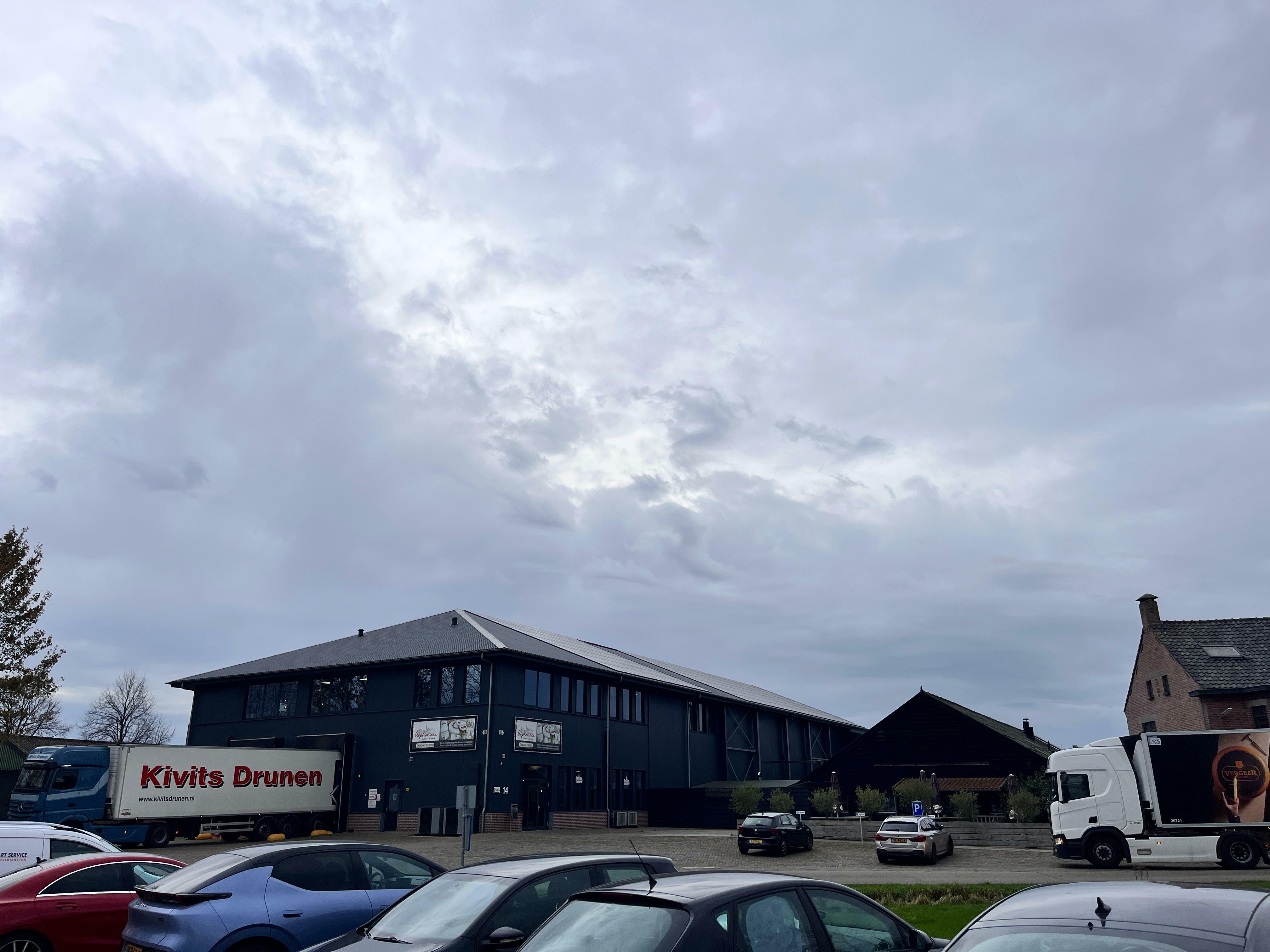
The inspiration behind DeJong’s sustainability strategy is rooted in a strong sense of responsibility and a desire to build a business that creates value beyond profit. As a family business, DeJong views environmental protection as an investment in the future of the next generation. Their approach is guided by the belief that high-quality food production should not harm the environment. The company’s leadership emphasizes that meaningful change begins at the organizational level. If a company can influence consumer behavior, reduce waste, and inspire other food producers to adopt greener practices, the positive impact can scale significantly. This philosophy drives their continuous improvements and reinforces their position as leaders in sustainable cheese production.
DeJong Cheese’s sustainability initiatives create substantial long-term impact. Environmentally, the company reduces greenhouse gas emissions, conserves water, and minimizes waste through circular production processes. Economically, their efficient energy systems lower operational costs and improve resilience against rising utility prices. Socially, DeJong supports local farmers by sourcing milk from nearby suppliers, strengthening regional agricultural networks and reducing transportation emissions. Their transparent communication with consumers also educates the public about sustainable food choices, encouraging more conscious purchasing behavior. Collectively, these efforts position DeJong as an industry role model in responsible food manufacturing.
Sustainability has become a central driver of business success for DeJong Cheese. By investing in renewable energy, the company reduces long-term electricity expenses while protecting itself from energy market volatility. Efficient heat-recovery and waste-reduction systems also contribute to lower production costs. Furthermore, eco-conscious packaging enhances brand reputation and responds to growing consumer demand for environmentally responsible products. Retailers increasingly prefer suppliers with strong sustainability credentials; therefore, DeJong’s practices provide a competitive advantage in both domestic and international markets. The company’s strategic sustainability efforts strengthen profitability while creating opportunities for innovation and future growth.
DeJong Cheese’s sustainability strategy delivers measurable social and environmental benefits that extend beyond the factory. Environmentally, the use of renewable energy, heat-recovery technology, and recyclable packaging significantly reduces carbon emissions and waste. The company’s commitment to local sourcing lowers transportation-related pollution and supports the economic stability of nearby dairy farmers. Socially, DeJong contributes to healthier communities by minimizing environmental harm, prioritizing worker safety, and promoting transparency in food production. These responsible practices help build consumer trust and encourage more ethical purchasing habits, reinforcing the importance of sustainability across the dairy sector.
Get stories of positive business innovations from around the world delivered right to your inbox.
Hans Van Hoek, Manager
DeJong Cheese is a family-owned dairy producer based in Alphen, Netherlands, best known for its Alphenaer cheese brand. The company specializes in soft and traditionally prepared goat, cow, and sheep milk cheeses, using high-quality milk sourced from local farms committed to animal welfare. Their production facility operates on 100 percent green energy, combining solar panels with wind-generated electricity, and they are transitioning toward fully recyclable mono-material packaging. DeJong also practices circular production by reusing whey for animal feed and tracks its ESG performance through a sustainability platform. The company holds key certifications including IFS, VLOG, SKAL, Halal, and Kosher, demonstrating its commitment to quality, safety, and responsible manufacturing.